Charlestown, Cornwall – Georgian Harbour, Tall Ships & Poldark
Charlestown & St Austell Bay
The
Lizard Peninsula | Falmouth
| The Roseland
Peninsula | Truro
| St Mawes
| Veryan
& Portloe | Tregony
| St
Just in Roseland |Gorran
Haven | The
Lost Gardens of Heligan | Mevagissey
| Fowey | Golant | Charlestown |
Portholland | Port Loe
| St Austell | Lost
Gardens of Heligan
On This Page
- Holidays in Charlestown
- Best Time to Visit
- Charlestown Harbour & the Tall Ships
- Poldark Filming Guide
- Charlestown Beach & St Austell Bay
- Things to Do in Charlestown
- History of Charlestown
- Key Buildings & Landmarks
- Notable People
- Local Events
- Places near Charlestown
- Visitor Information
- Stay & Explore near Charlestown
- Family Holidays & Short Breaks
- Frequently Asked Questions
HOLIDAYS IN CHARLESTOWN
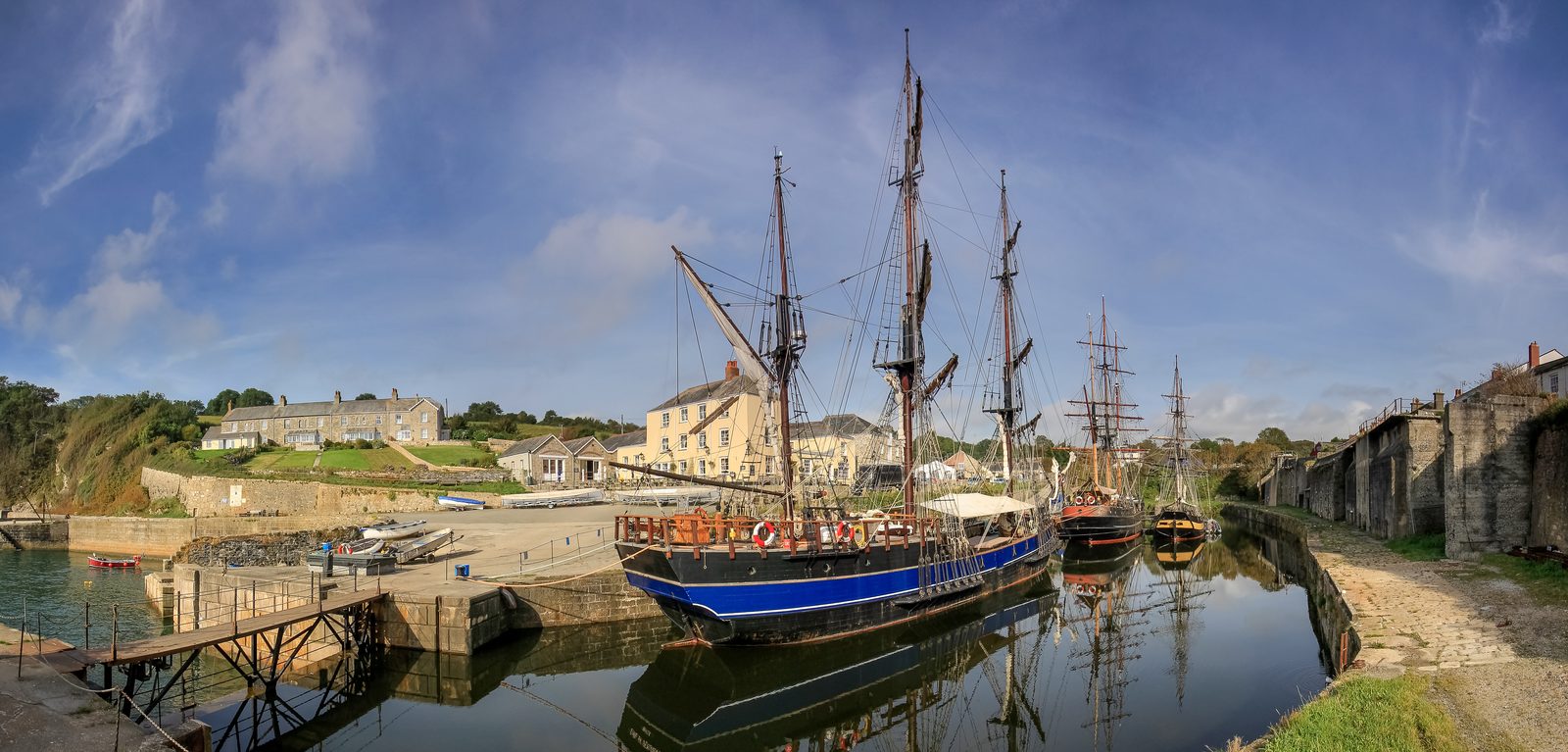
Charlestown is a small harbour village on St Austell Bay, about two miles south-east of St Austell. It is one of the most complete Georgian ports in Britain – a harbour and village planned and built from scratch in the 1790s by the local landowner Charles Rashleigh, after whom it is named.
Before Rashleigh, this was the tiny fishing hamlet of West Polmear. His new port shipped copper from the mines inland and, later, china clay, and it stayed in business for over two centuries – the last cargo of clay left at the turn of the millennium. Because it was never enlarged for modern shipping, the granite quays, the inner dock and the village around them have survived almost unchanged.
That untouched Georgian setting, with square-rigged tall ships often moored in the dock, has made Charlestown one of Britain’s favourite film locations. It is best known today as a Poldark location, where the harbour stood in for 18th-century Truro and Falmouth.
The harbour is part of the Cornwall and West Devon Mining Landscape World Heritage Site, and the harbour itself is listed Grade II*. After storm damage closed the dock in 2024, a new lock gate was installed and the harbour reopened to vessels in April 2026.
Beside the harbour mouth is a small beach of sand and shingle, and the South West Coast Path runs through the village between Carlyon Bay and Porthpean. Around the harbour are pubs, cafés, restaurants, galleries and the historic Pier House Hotel and Rashleigh Arms.
Charlestown is an ideal base for exploring Mid Cornwall. The Eden Project is only a few miles away, as are the beaches of St Austell Bay, Mevagissey, the Lost Gardens of Heligan and the river at Golant and Fowey.
Accommodation includes harbourside cottages, B&Bs and hotels – see Charlestown holiday cottages and holidays and short breaks in Charlestown.
Best Time to Visit Charlestown
Spring sees the harbour’s new season begin around Easter, with visiting vessels and quieter quays. Summer is busiest, with Charlestown Regatta Week in July, harbour festivals and visiting ships – arrive early, as parking fills quickly.
Autumn is a lovely time for coast path walks and harbourside meals without the crowds, and the harbour’s Christmas markets bring festive life to the quays in December.
↑ Back to topCHARLESTOWN HARBOUR & THE TALL SHIPS
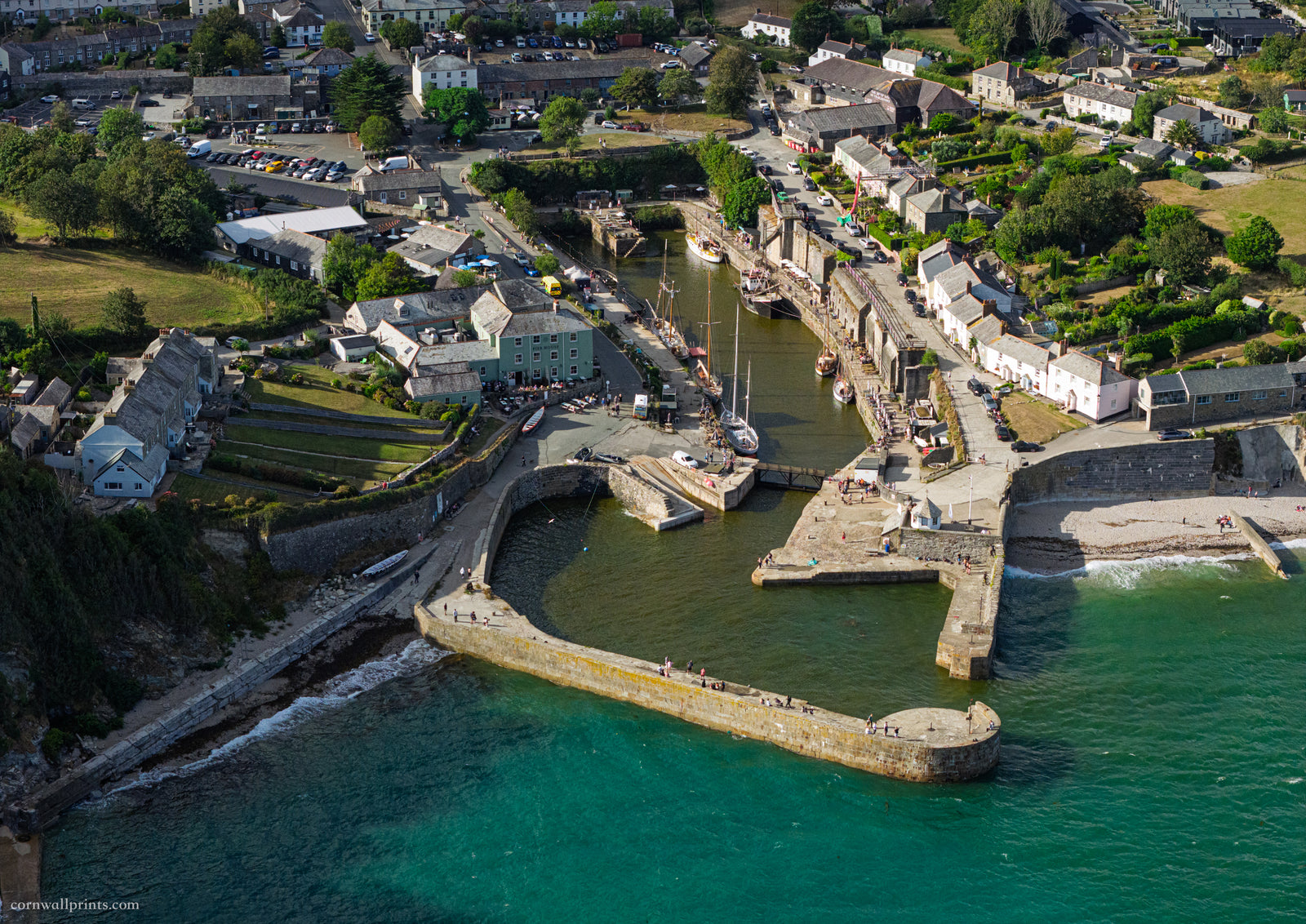
Work on the harbour began in about 1790–91, to plans by the engineer John Smeaton, builder of the famous Eddystone Lighthouse. The outer piers were built first, and the inner dock was quarried out of the rock from 1796, with dock gates completed in 1799 to keep ships afloat at all states of the tide. A leat brought water several miles from the Luxulyan Valley to keep the dock full and flush it clean. The harbour was enlarged to its present form during the 19th century.
For much of its life the port was busy with ships loading copper ore and china clay, and the quays were lined with industries – boatbuilding, ropemaking, lime burning, net lofts, pilchard cellars and brickworks. Wagons of clay were pushed through tunnels to chutes above the dock, and some of these tunnels and the old clay dries still survive.
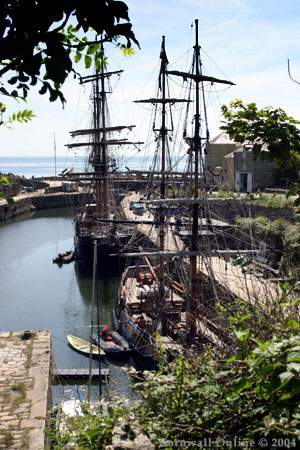
From the 1990s the harbour became famous as the home of square-rigged tall ships, used in films and television all over the world. The harbour has been privately owned by Rolf Munding since 2018. In September 2024 storms destroyed the old lock gate, leaving the dock tidal and the remaining vessels resting on the mud; after a project costing around £3 million, a new lock gate and bridge were installed and the harbour reopened on 4 April 2026, with visiting ships, harbourside businesses and events returning to the inner harbour.
The old Shipwreck and Heritage Centre beside the harbour has closed. The Charlestown History Group rescued a number of its artefacts with local connections, which are now on display in the village; the group welcomes visitors at the Pattern Hall.
↑ Back to top
Charlestown harbour at a glance
Built: 1790s, for Charles Rashleigh
Engineer: John Smeaton
Listing: Grade II*
World Heritage: Cornish Mining WHS (2006)
Last clay cargo: c.2000
Reopened: April 2026, with a new lock gate
POLDARK FILMING GUIDE & CHARLESTOWN ON SCREEN
Charlestown was one of the most important locations for the BBC’s Poldark (2015–2019). With a little set dressing, its Georgian harbour played several of the ports in Winston Graham’s story:
- Truro – the harbour doubled for 18th-century Truro, where Ross Poldark does business.
- Falmouth – the home of Captain Andrew Blamey overlooks the inner harbour, and it is from here that Verity elopes with him.
- St Mary’s, Isles of Scilly – in series two, the beach and slipway played St Mary’s, where Ross meets the exiled Mark Daniel.
Charlestown has a long screen history. Productions filmed here include The Eagle Has Landed (1976), Tim Burton’s Alice in Wonderland (2010), a 2011 episode of Doctor Who and the award-winning Cornish film Bait (2018). It is not unusual to arrive and find the harbour dressed for a shoot.
To follow the Poldark trail further, the clifftop engine houses at St Agnes and Botallack, and the beaches of north Cornwall, were also used in the series.
↑ Back to topCharlestown on screen
Poldark (2015–19) – Truro, Falmouth and St Mary’s
The Eagle Has Landed (1976)
Alice in Wonderland (2010)
Doctor Who (2011)
Bait (2018)
CHARLESTOWN BEACH & ST AUSTELL BAY
Beside the harbour mouth is Charlestown beach, a small beach of sand and shingle split by the harbour walls, with more sand at low tide. It is a lovely spot for a paddle and for watching boats come and go, and the shallow water and rocks are popular with snorkellers on calm days.
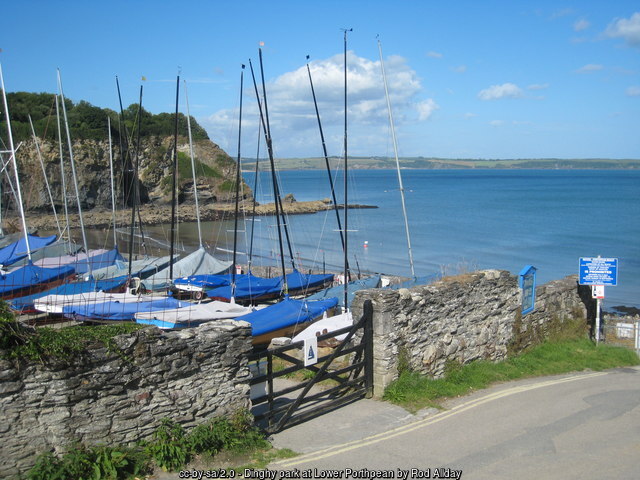
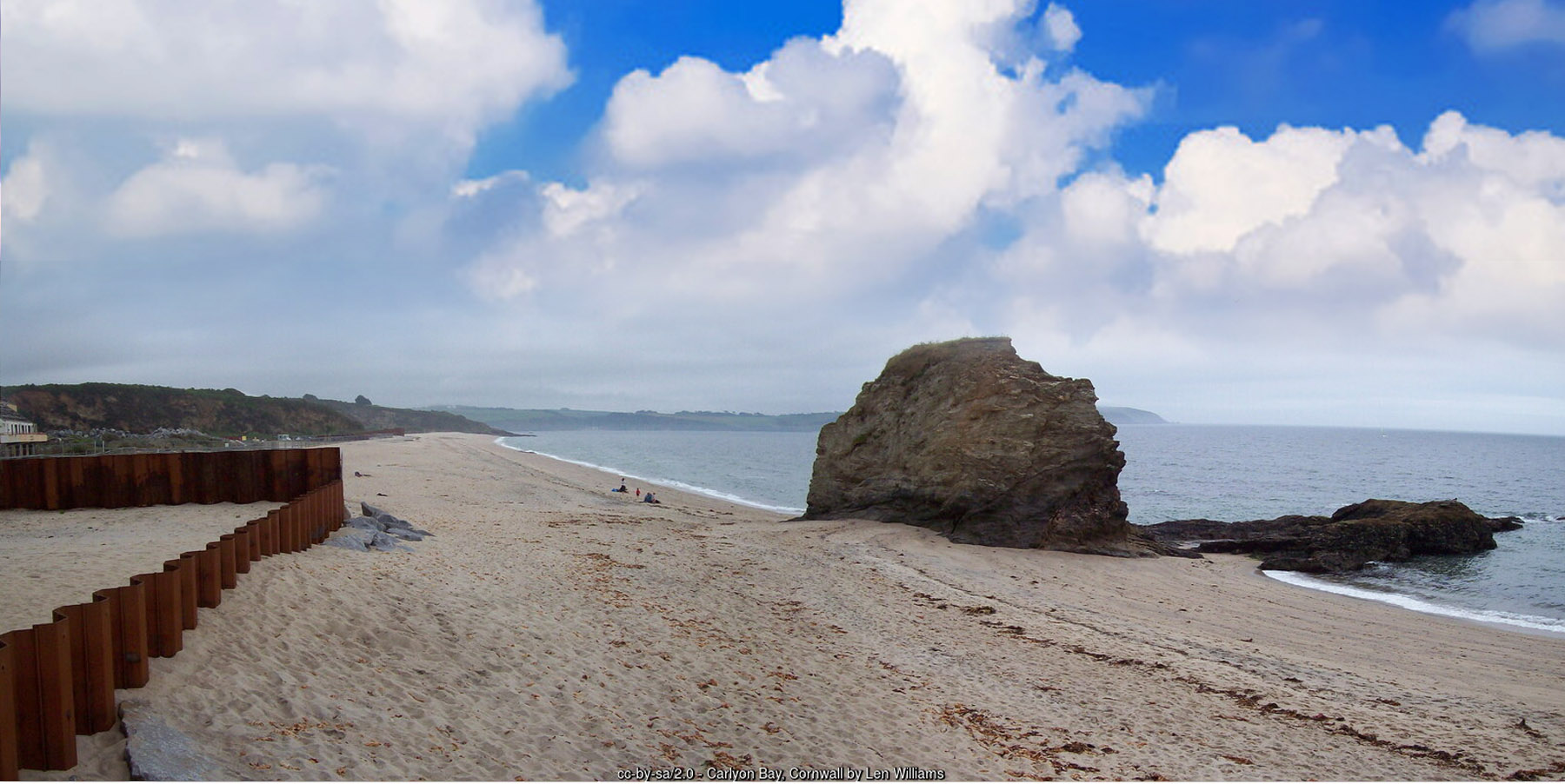
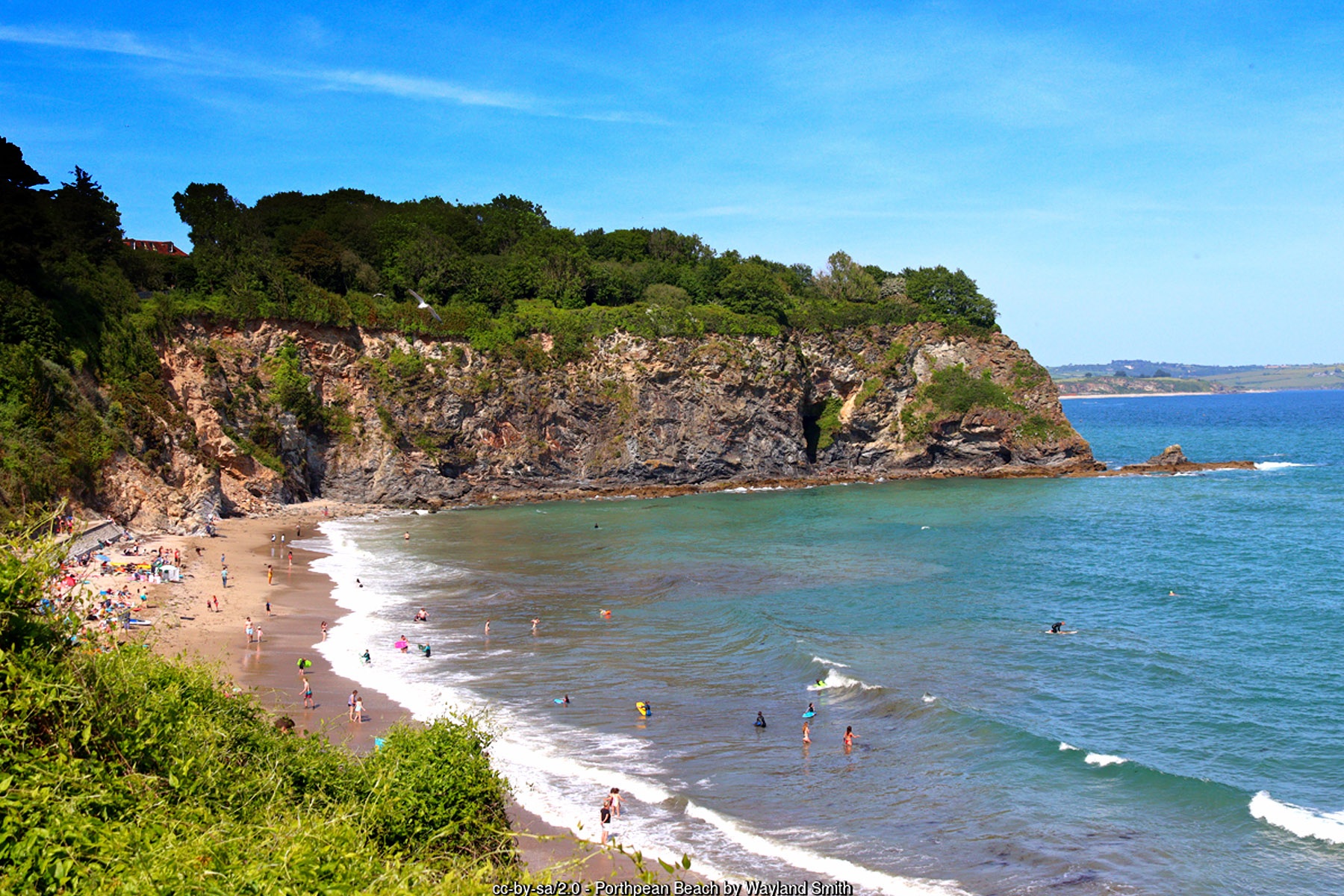
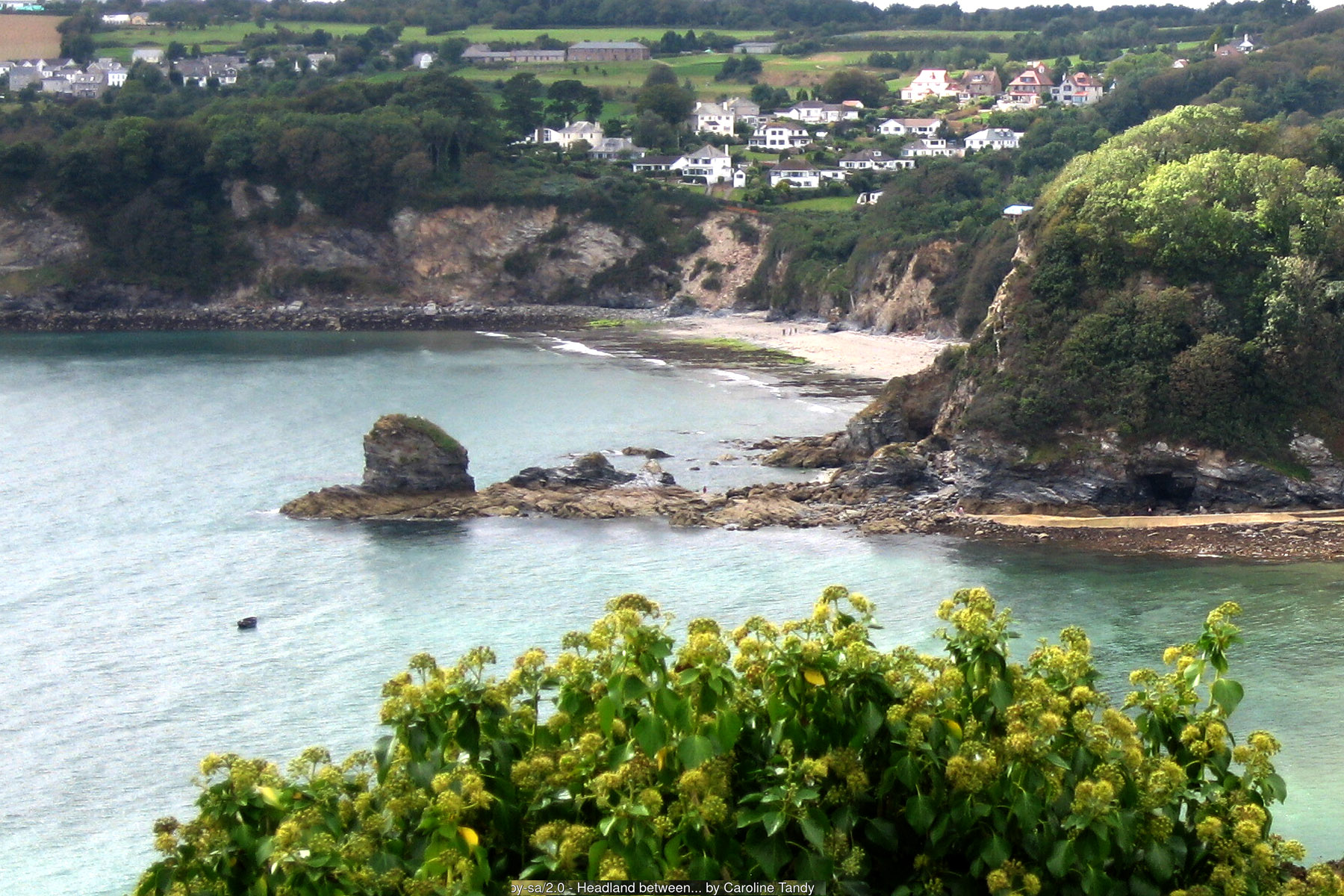
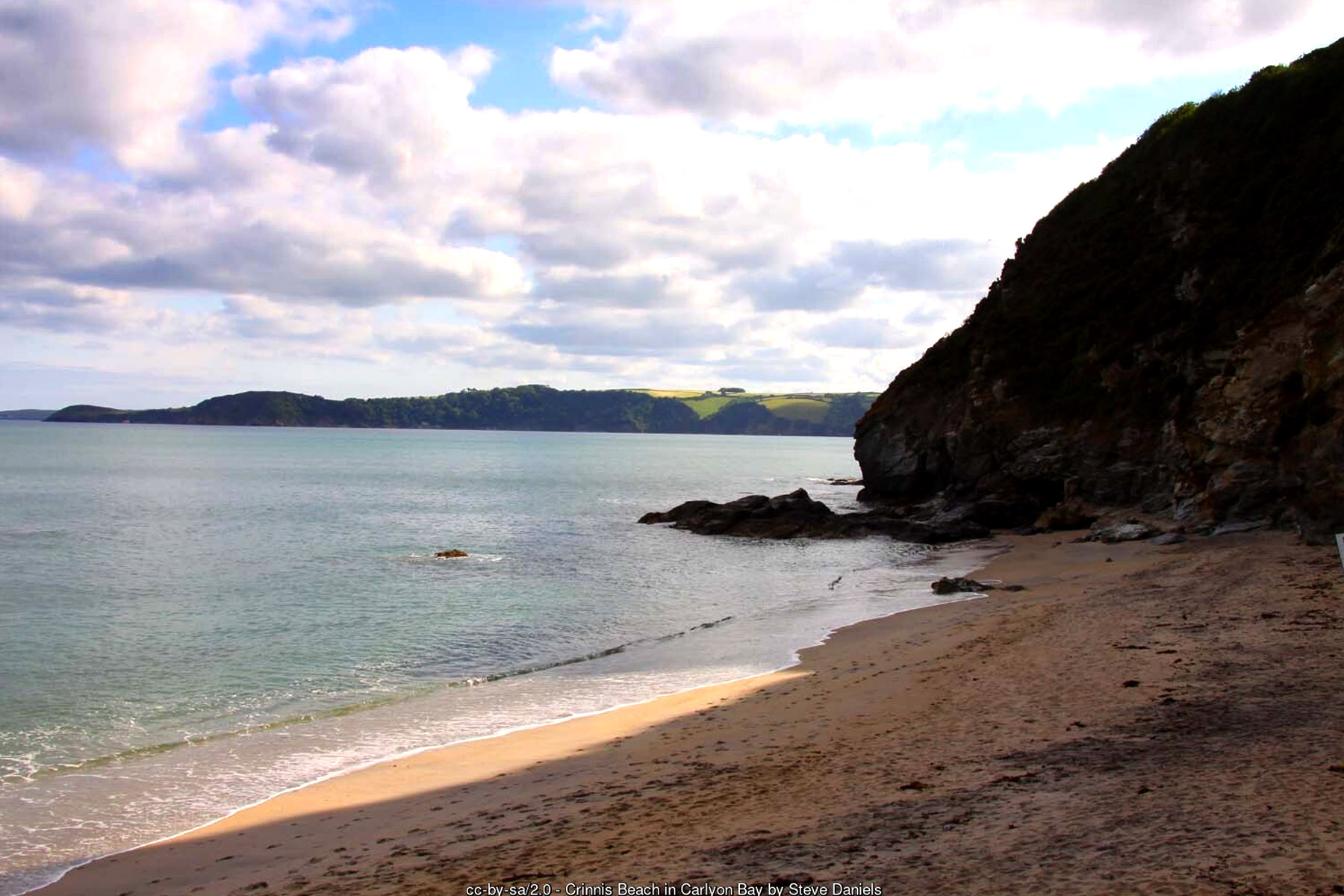
St Austell Bay has a string of other beaches within a short walk or drive. To the west are the little cove of Duporth and the family beach at Porthpean, with its sailing club and beach café; to the east is the long sandy beach of Carlyon Bay, with Par Sands and Polkerris beyond.
The South West Coast Path runs through Charlestown. A popular walk heads west past Duporth to Porthpean, or east along the clifftops to Carlyon Bay and Par, with wide views across the bay to the Gribbin headland. For full beach details, see our Charlestown beach guide.
↑ Back to top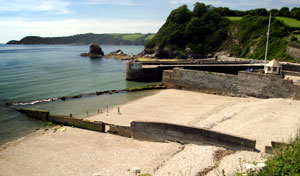
THINGS TO DO IN CHARLESTOWN
Charlestown is small enough to explore on foot in an hour or two, but there is plenty to fill a longer stay – from the harbour and its ships to the beaches and gardens of St Austell Bay.
For families, the beach, the harbour’s visiting ships and summer events, and days out at the Eden Project or Porthpean make for easy holidays. On rainy days, the Eden Project’s biomes, the Wheal Martyn clay works museum and the St Austell Brewery visitor centre are all close by.
For walkers, the coast path runs in both directions from the harbour. Here are some of the best things to do in and around Charlestown.
- Explore the Georgian harbour and see the visiting tall ships.
- Follow the Poldark trail around the inner dock and quays.
- Relax on Charlestown beach – Charlestown beach guide.
- Walk the coast path to Porthpean or Carlyon Bay.
- Visit the Eden Project – Eden Project.
- Discover the china clay story at Wheal Martyn – Wheal Martyn.
- Tour St Austell Brewery – St Austell Brewery.
- Visit the Lost Gardens of Heligan – Lost Gardens of Heligan.
- Play golf at Carlyon Bay – golf in Cornwall.
- Drop in on the Charlestown History Group at the Pattern Hall to see artefacts from the village’s past.
HISTORY OF CHARLESTOWN
In the mid-18th century, West Polmear was a hamlet of a few cottages, where pilchards were landed and cured. In 1791 Charles Rashleigh, a lawyer and landowner from the Rashleigh family of Menabilly, began building a harbour here to serve the copper mines and clay works of the St Austell district. The new port and village grew quickly, and by 1799 they had taken the name Charles’s Town, soon shortened to Charlestown. A gun battery was built on the cliffs in 1793 to defend the port against the French.
Copper ore poured out of the harbour in the early 1800s – Crinnis mine alone shipped some 40,000 tons between 1810 and 1813. Rashleigh’s fortunes did not last: his finances were damaged by the embezzlement of his agent, Joseph Dingle, and after his death in 1823 the estate passed in 1825 to the Crowder family. Under the Crowders the dock was extended, and St Paul’s Church, the Rashleigh Arms and the clay dries were built.
As copper declined, china clay took over, and Charlestown prospered from the clay trade until the First World War, carrying on in a small way until the last clay ship sailed around 2000. The Crowders sold the estate in 1986; from the 1990s the harbour became the base of the tall ships, and in 2006 it was inscribed as part of the Cornish Mining World Heritage Site. Today Charlestown is a conservation area, and a new chapter began in 2026 when the harbour reopened with its new lock gate.
↑ Back to topCharlestown – key dates
1790–91 – harbour begun for Charles Rashleigh
1793 – gun battery built
1799 – dock gates completed; Charles’s Town named
1810–13 – copper boom from Crinnis mine
1825 – estate passes to the Crowder family
1827 – Methodist chapel built
1851 – St Paul’s Church completed
c.2000 – last china clay cargo
2006 – World Heritage Site
2026 – harbour reopens with new lock gate
KEY BUILDINGS & LANDMARKS
- Charlestown Harbour – the Grade II* listed inner dock, outer basin and piers, begun in about 1790 to designs by John Smeaton.
- The Pier House Hotel – a Grade II listed late 18th-century building beside the harbour, now a hotel and inn.
- St Paul’s Church – the Grade II listed parish church, completed in 1851.
- The Methodist chapel – built in 1827 and listed Grade II*, closed for worship in 2000.
- The Rashleigh Arms – the village inn, built in the Crowder era and now a St Austell Brewery pub.
- Crinnis Cliff gun battery – the remains of the battery built in 1793 to defend the port.
NOTABLE PEOPLE CONNECTED WITH CHARLESTOWN
- Charles Rashleigh (1747–1823) – the lawyer, landowner and entrepreneur who built the harbour and village in the 1790s, and after whom Charlestown is named.
- John Smeaton (1724–1792) – the pioneering civil engineer, famous for the third Eddystone Lighthouse, who drew up the plans for Charlestown harbour.
- Winston Graham (1908–2003) – the author of the Poldark novels, whose Truro and Falmouth were brought to life on screen at Charlestown.
LOCAL EVENTS IN CHARLESTOWN
The harbour and the village have a lively calendar, much of it centred on the water.
- Harbour season launch (around Easter) – the inner harbour reopens for the season with music and family activities.
- Charlestown Regatta Week (July) – a week of events including raft races and gig rowing, held for over fifty years.
- Harbour festivals (summer) – visiting vessels, live music and family activities in the inner harbour.
- Christmas markets (December) – festive markets around the harbour.
Dates change from year to year – check the harbour’s website or our Cornwall events guide for current dates.
↑ Back to top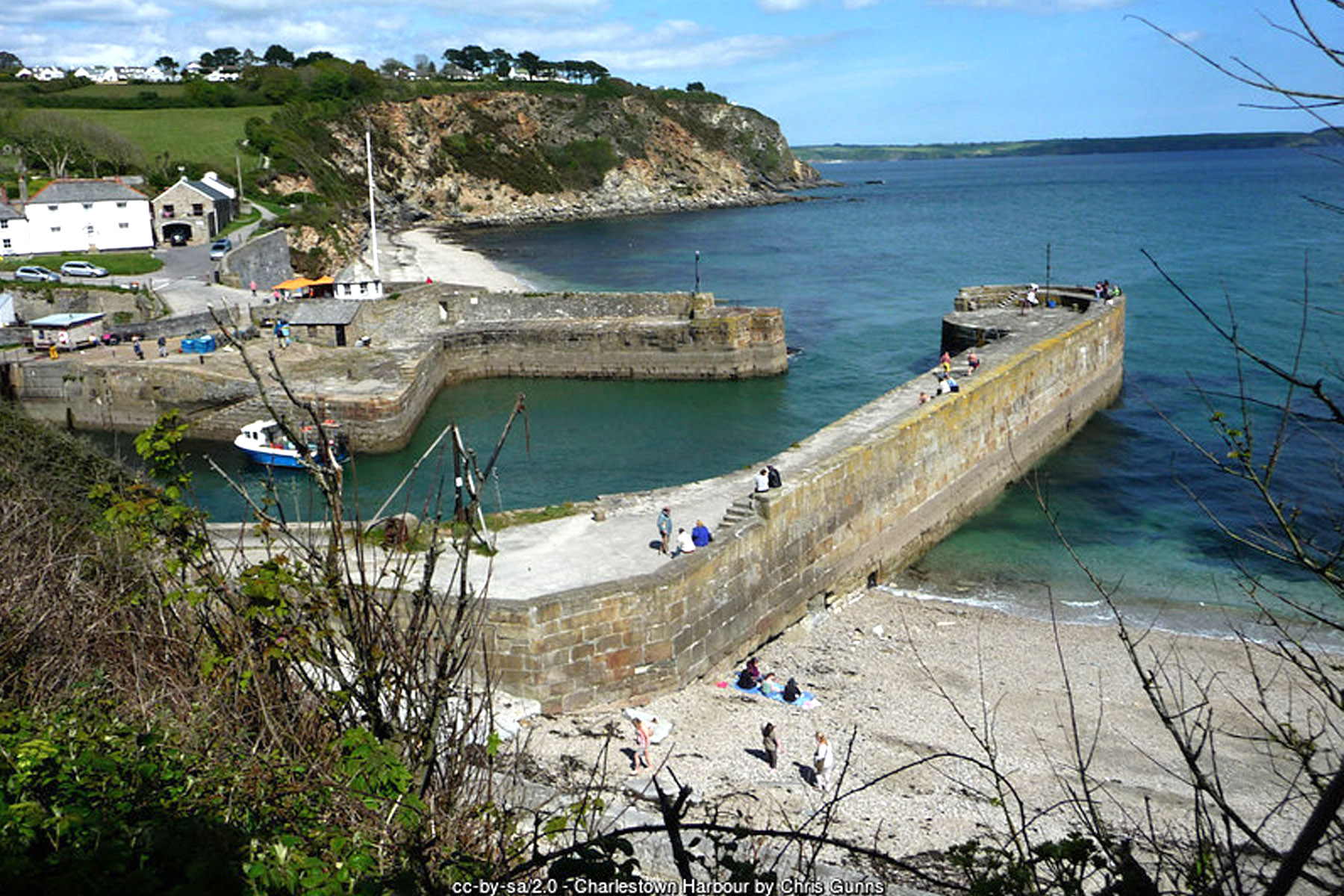
PLACES NEAR CHARLESTOWN
- St Austell – the china clay town, about 2 miles north-west.
- Mevagissey – the busy fishing harbour, about 6 miles south.
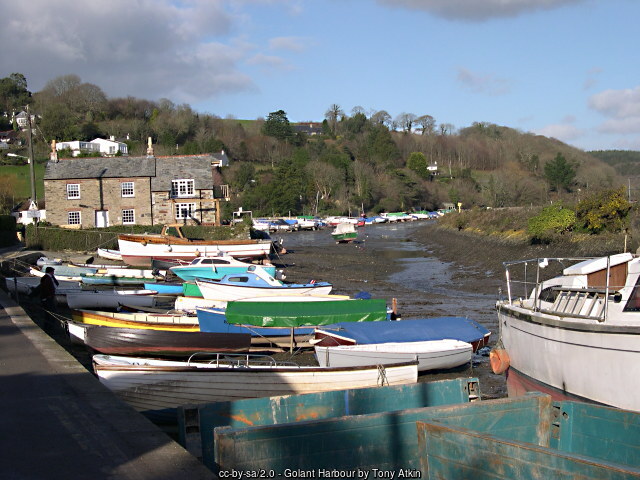
- Golant – the peaceful village on the River Fowey, about 7 miles east.
- Fowey – the historic estuary town, about 8 miles east.
- Lostwithiel – the old stannary town, with Restormel Castle.
VISITOR INFORMATION
Parking & EV Charging
There is pay car parking in the village, a short walk from the harbour, but spaces fill quickly on summer days and during events. The lanes around the harbour are narrow, so it is best to park and walk down. Check parking signs for charges and Blue Badge rules.
Electric vehicle charging:
- Priory Car Park, St Austell – slow and rapid chargers (Evolt), PL25 5AA
- Tesco Superstore, Daniels Lane, St Austell – chargers (Pod Point), PL25 3HR
Bus & Train
Transport for Cornwall bus route 25 links Charlestown (stop by the church) with St Austell bus station and with Carlyon Bay, St Blazey and Par, roughly hourly during the day. The nearest railway stations are St Austell and Par, on the main line between Penzance and Plymouth. Check timetables before you travel.
Facilities & Supermarkets
The village has pubs, cafés, restaurants, galleries and gift shops around the harbour. For everyday shopping, St Austell is a few minutes away:
- Tesco Superstore – Daniels Lane, St Austell PL25 3HR
- Other supermarkets in St Austell town centre
Cafés & Restaurants
The Pier House Hotel and its harbourside inn look straight onto the dock, and the Rashleigh Arms is a St Austell Brewery pub in the village. Around the inner harbour are bars, cafés and seasonal pop-ups, and there are more places to eat in St Austell and at Porthpean beach.
Health
GP services are provided by St Austell Healthcare, including the Carlyon Road Health Hub, 14 Carlyon Road, St Austell PL25 4EG. The Minor Injury Unit at St Austell Community Hospital, Porthpean Road, St Austell PL26 6AA, is very close to Charlestown. Call NHS 111 for urgent advice and 999 in an emergency – ask for the Coastguard at sea or on the cliffs. The nearest A&E is the Royal Cornwall Hospital, Truro.
Disabled Access
The village slopes gently down to the harbour, and the quaysides are largely level, giving good views of the dock and ships. Some quay edges are unfenced and surfaces are historic granite and cobbles, so take care. The beach is reached by steps and slopes, and the coast path beyond the village is steep in places.
Vets & Dogs
Vets nearby include Penmellyn Veterinary Group, 54A Holmbush, St Austell PL25 3LQ – use the RCVS directory for other practices and out-of-hours care. Some St Austell Bay beaches have seasonal dog restrictions, so check the signs or Cornwall Council’s guide.
National Trust & English Heritage
The National Trust cares for Lanhydrock near Bodmin and the Gribbin headland near Fowey. English Heritage cares for Restormel Castle above Lostwithiel and St Catherine’s Castle at Fowey.
Attractions
The harbour and beach on the doorstep, with the Eden Project, Wheal Martyn, St Austell Brewery and the Lost Gardens of Heligan all within a short drive.
STAY & EXPLORE NEAR CHARLESTOWN
Local Attractions
FAMILY HOLIDAYS & SHORT BREAKS IN CHARLESTOWN
Family holidays in Charlestown combine a historic harbour with easy beach days – watching ships come and go, paddling and rock pooling at the harbour beach, walking the coast path to Porthpean and days out at the Eden Project, just a few miles away.
Charlestown holiday cottages range from Georgian cottages a short stroll from the quays to modern houses and apartments with views over St Austell Bay. Many have parking, a real advantage in a village where spaces fill quickly in summer.
Charlestown is also a lovely choice for a short break or weekend away, with harbourside pubs and restaurants, the coast path on the doorstep and Christmas markets in December. Booking direct with the owner means no agency fees.
Browse Charlestown holiday cottages, or holidays and short breaks in Charlestown for every type of accommodation – all listed on Cornwall Online by their owners.
↑ Back to topFREQUENTLY ASKED QUESTIONS ABOUT CHARLESTOWN
Charlestown is a harbour village on St Austell Bay on Cornwall’s south coast, about two miles south-east of St Austell and a few miles from the Eden Project.
The harbour was built in the 1790s for the local landowner Charles Rashleigh, after whom Charlestown is named, to plans by the engineer John Smeaton. It replaced the small fishing hamlet of West Polmear.
Charlestown is famous for its tall ships. Storms destroyed the old lock gate in September 2024, but a new gate was installed and the harbour reopened to vessels in April 2026, with visiting ships returning. Which ships are in the harbour varies through the year.
Yes. In the BBC’s Poldark (2015-2019) Charlestown’s Georgian harbour doubled for 18th-century Truro and Falmouth, and its beach and slipway played St Mary’s on the Isles of Scilly in series two.
Yes, there is a small beach of sand and shingle beside the harbour mouth, with more sand at low tide. Duporth, Porthpean and Carlyon Bay are close by along the coast path.
No, the Shipwreck and Heritage Centre has closed. The Charlestown History Group rescued a number of its locally connected artefacts, which are now on display in the village.
There is pay car parking in the village, a short walk from the harbour. Spaces fill quickly on summer days and during events, so arrive early or come by bus from St Austell.
Transport for Cornwall bus route 25 links Charlestown with St Austell and with Carlyon Bay, St Blazey and Par, roughly hourly during the day. The nearest railway stations are St Austell and Par.
Charlestown Regatta Week is held each July, with raft races and gig rowing. The harbour also hosts a season launch around Easter, summer harbour festivals with visiting vessels, and Christmas markets in December.