Duporth
A Quiet Wooded Cove Between Charlestown and Porthpean
Duporth, near St Austell, St Austell Bay, Cornwall, PL25 3TS
Duporth is a small, quiet cove tucked below wooded cliffs on the western shore of St Austell Bay, sitting almost exactly between the well-known harbour village of Charlestown to the west and the sailing beach of Porthpean to the east. It is entirely possible to drive along the coast road between the two without ever realising Duporth is there, and that, more than anything, defines the beach's character. Unlike its two neighbours, Duporth is not signposted as a destination in its own right, and it draws its visitors mainly from locals who know the path down through the trees, and from people staying in the immediate area, rather than from day-trippers working their way along the bay. For those who do make the short detour, that relative obscurity is a large part of the appeal - a genuinely peaceful pocket of shore within easy walking distance of two much busier beaches.
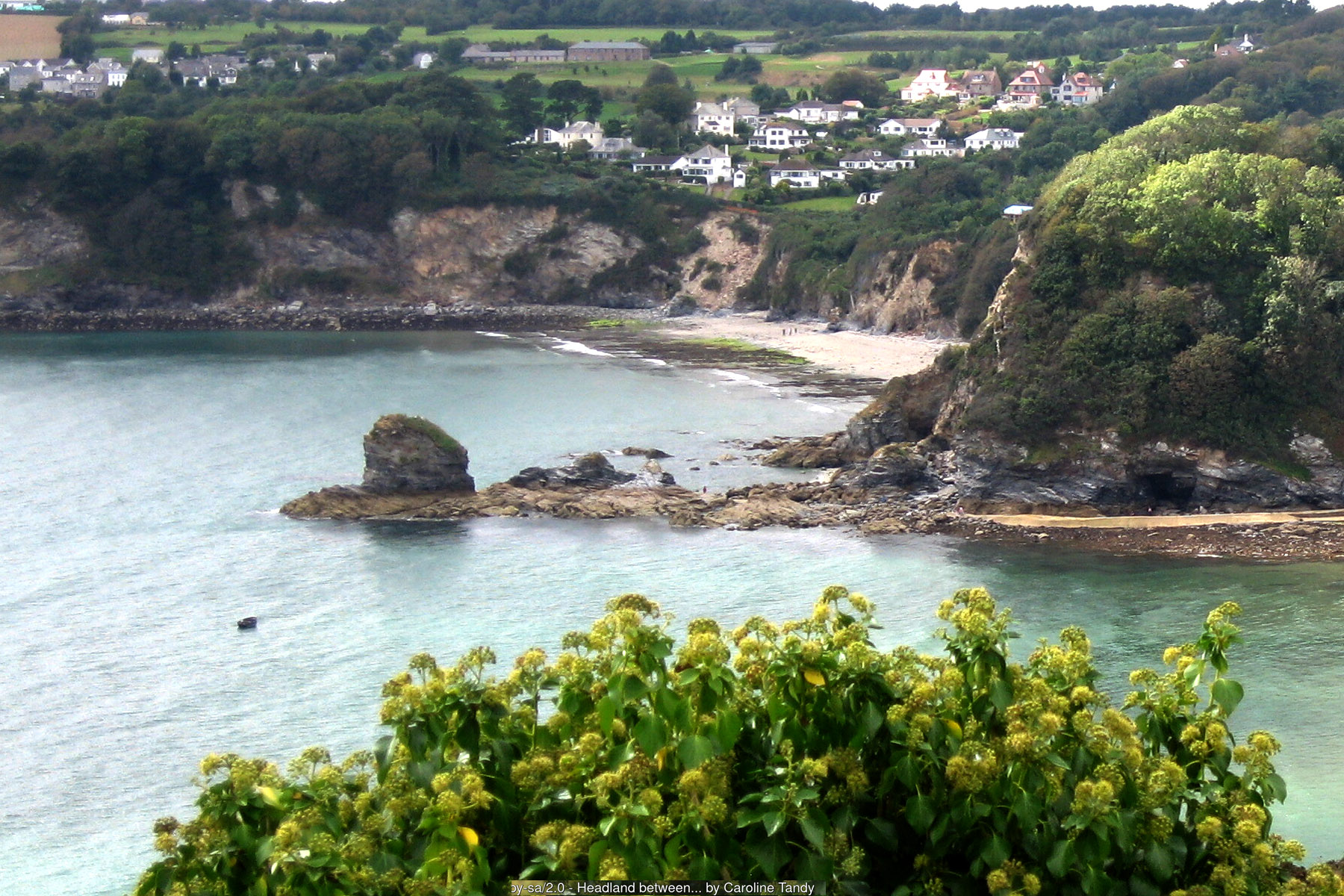
What makes Duporth genuinely interesting, beyond the beach itself, is the story of the wooded land above it. This was once the site of Duporth House, a manor house that stood in landscaped grounds overlooking the cove and was, for a time, owned by Charles Rashleigh, the very same local entrepreneur responsible for building Charlestown harbour a short distance along the coast in the late eighteenth century. The house survived long after Rashleigh's day, but by the second half of the twentieth century it had become uneconomical to maintain, and it was eventually demolished in 1989, bringing to an end its role as the centrepiece of the Duporth estate.
Long before the house came down, however, the grounds around it had already taken on a very different life. In 1933 the Duporth estate was sold to Seaside Holiday Camps Ltd, and by Whitsun the following year a holiday camp had opened on the site, taking advantage of the sheltered cove and the wooded setting above it. The camp's history through the twentieth century is a genuinely eventful one: during the Second World War the site was requisitioned by the War Office and used to station Indian and American forces, before returning to civilian holiday use once the war was over. In 1972 the camp was bought by Butlin's, who ran it as one of their smaller "Freshfields" sites, a quieter tier of holiday camp than the company's flagship resorts. In 1985, following the Rank Organisation's acquisition of Haven Holidays, the site was rebranded under the Haven name, and it continued to operate under a succession of private owners into the new century. At its peak the holiday village could accommodate around 1,200 guests across a mix of chalets, caravans and self-catering units, a substantial operation for what is, today, a beach most visitors would never guess had once supported a resort of that size. The site finally closed as a holiday village in 2006.
Since then, the former holiday-camp land has been redeveloped by private developers into Two Coves, a residential development of two- to five-bedroom houses and apartments built in a traditional Cornish style, taking its name from the pair of small beaches, Duporth and its immediate neighbour, that the estate overlooks. Despite the change from holiday village to private housing, public access to the beach has been maintained along the South West Coast Path, which threads through the development and down to the shore, alongside separate, private gated pathways used by Two Coves residents to reach the cove directly from their homes. For visiting walkers, this means Duporth remains a legitimate stop on a coastal walk between Charlestown and Porthpean, even though the land immediately around it is now given over to housing rather than to a holiday camp's chalets and amusements.
The beach itself today is a small, shingle-and-sand cove, sheltered by the wooded cliffs that gave the old estate its character and that still frame the view along much of this stretch of St Austell Bay. There is no shop, café or public toilets at Duporth, and no RNLI lifeguard patrol, which keeps the cove firmly in the category of a quiet, self-sufficient stop rather than a beach set up for a full day out - anyone wanting refreshments or facilities is better served walking the short distance to Charlestown or Porthpean at either end. Parking is similarly limited: there is no dedicated car park at the beach itself, and visitors typically rely on what on-street parking can be found in the Duporth and Carlyon area above the cove, or use the pay car parks at Charlestown or Porthpean and walk in along the coast path.
Geographically, Duporth sits roughly midway along the western arc of St Austell Bay, a broad sweep of coast that runs from Black Head in the south round to Par Sands and the Gribbin Head peninsula in the north, and that has long been shaped by the china clay industry inland as much as by the sea itself - Charlestown's harbour, just along the coast, was built in no small part to export clay from the pits around St Austell, and it was Charles Rashleigh's connection to both that harbour and the Duporth estate that links the two places so directly. Duporth's own position, tucked into the wooded cliffline between two more prominent beaches, means it rarely appears in guidebooks to the bay, but it remains a genuine part of the coastal walk that links Charlestown, Duporth and Porthpean into one continuous, varied stretch of shore, each beach with a distinctly different character despite being only a short stroll apart.
The cove itself is modest in scale, a narrow strip of mixed shingle and sand rather than the open sweep of sand found at some of the bay's bigger beaches, backed by the same wooded slopes that once sheltered Duporth House and its gardens. That wooded backdrop remains one of the beach's most attractive features: the trees come almost down to the top of the shore in places, giving the approach a cool, green, sheltered feel that is quite different from the more open, built-up seafronts at Charlestown and Porthpean. It is the kind of small cove that suits a quiet walk, a dog on the sand outside the height of summer, or a pause on a longer coast path walk between the two neighbouring beaches, rather than a full day's beach holiday with all the trimmings.
For anyone visiting, the practical advice is straightforward: check the tide before setting out, since a small, low-lying cove like this narrows considerably as the water rises and can disappear almost entirely at high water, and treat it as an unsupervised beach given the absence of any lifeguard cover. The wooded approach through the former holiday-camp grounds is attractive in its own right, cool and shaded even on a hot summer day, and the quiet of the cove itself, especially outside the height of summer, is a genuine contrast to the working harbour bustle of Charlestown or the sailing activity at Porthpean close by. Given the limited facilities, it is worth bringing water and anything else needed for a visit, rather than relying on finding it at the beach.
Visitor Information
Parking
There is no dedicated car park directly at Duporth. The nearest options are limited on-street parking in the Duporth and Carlyon area above the cove, or the pay car parks at Charlestown and Porthpean, both a short walk away in either direction along the coast path.
Facilities
No shop, café or toilets at the beach itself, and no RNLI lifeguard patrol. The nearest facilities of any kind are in Charlestown to the west or at Porthpean to the east, both within easy walking distance.
Disabled Access
Access is via an uneven, sloping woodland path through the former holiday-camp grounds down to a small shingle-and-sand cove, which is not step-free. No dedicated Blue Badge parking is confirmed at or near the beach; visitors with mobility needs are likely to find nearby Charlestown or Porthpean more straightforward.
Things to Do Nearby
- Charlestown, the historic Georgian harbour village made famous on screen, a short coast path walk or drive west
- Porthpean, a sand-and-shingle beach popular with the local sailing club, a short coast path walk or drive east
- St Austell town centre, a short drive inland, with shops, pubs and restaurants
- The South West Coast Path, which runs directly above the cove, linking Duporth to Charlestown and Porthpean
Places to Stay
Duporth itself has no dedicated holiday accommodation listings, so the nearby St Austell hub is the best starting point for places to stay within easy reach of the beach:
Frequently Asked Questions
Page last updated: 17 September 2026