Cornwall Railway Stations
Stations on the Cornish Main Line and five scenic branch lines, from Plymouth to Penzance – with parking, disabled access and contact details.
Plymouth Access & ContactTravelling to and around Cornwall by Train
The Cornish Main Line runs from Plymouth, across the Royal Albert Bridge at Saltash, through Liskeard, Bodmin Parkway, Par, St Austell, Truro, Redruth, Camborne and St Erth to its terminus at Penzance. Great Western Railway (GWR) runs the local and inter-city services and manages most of the stations, and CrossCountry runs limited services to Bristol, the Midlands, the north of England and Scotland. The overnight Night Riviera sleeper links Penzance and London Paddington six nights a week.
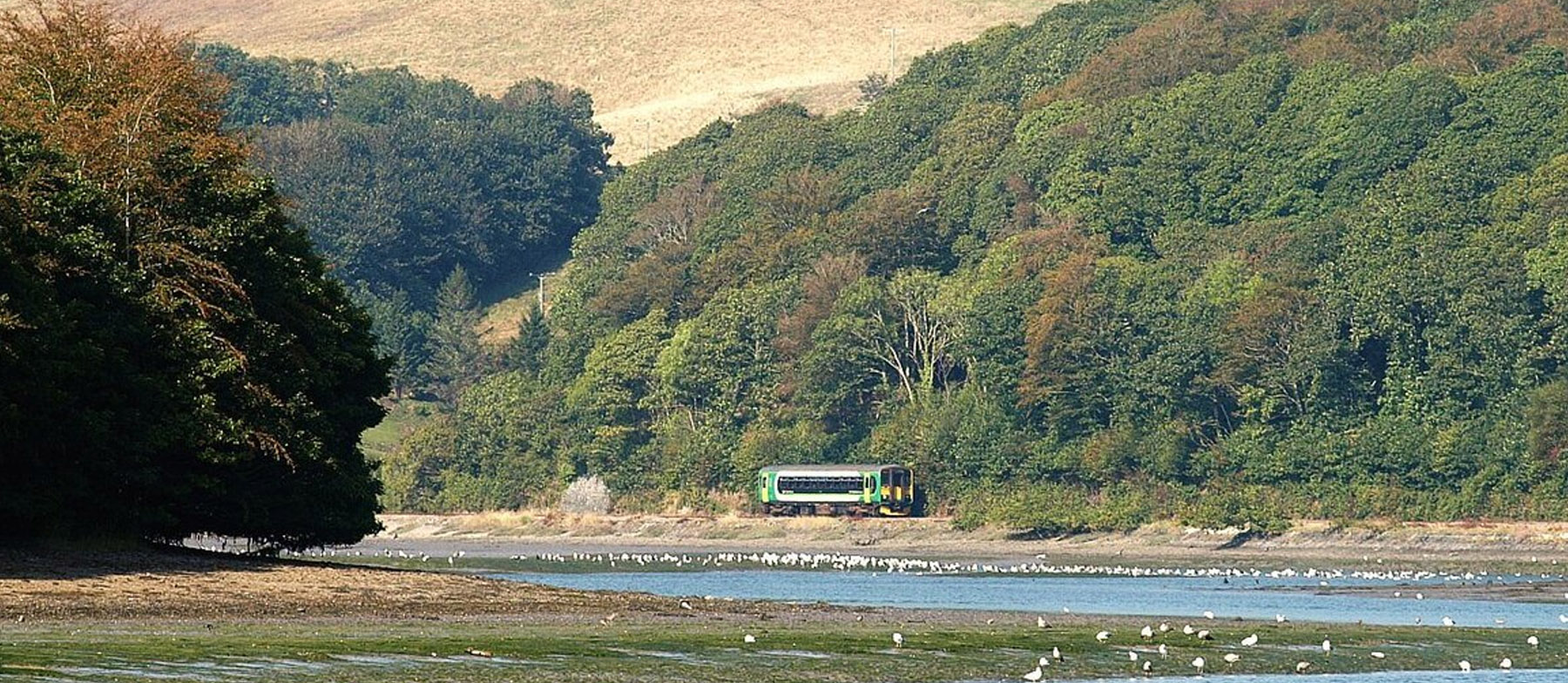
Five branch lines run off the main line to the coast and countryside: the Tamar Valley Line from Plymouth to Gunnislake, the Looe Valley Line from Liskeard to Looe, the Atlantic Coast Line from Par to Newquay, the Maritime Line from Truro to Falmouth, and the St Ives Bay Line from St Erth to St Ives. Train times, engineering works and service patterns change, so always check with GWR or National Rail before you travel.
Plymouth is in Devon, but it is the main gateway to Cornwall and is included here because most trains into the county start there. Arriving by car instead? See our Cornwall car hire guide. To reach places the railway doesn't, see our Cornwall bus and coach travel guide.
Disabled Access, Parking & Contact Numbers
Passenger Assist (GWR): 0800 197 1329, textphone 18001 0800 197 1329. GWR says the line is free and open 24 hours a day except 25–26 December, and asks for at least 2 hours' notice before your journey.
GWR customer support: 03457 000 125 (08:00–20:00 Monday to Friday, 09:00–17:00 at weekends).
Most Cornish stations are unstaffed and have no telephone number of their own, so the numbers above are the ones to use. At an unstaffed station, go onto the platform and tell the onboard team member that you need assistance.
GWR rates each station for step-free access. Category A stations have step-free access to the platforms, B stations have some step-free access (often by a steep ramp, footbridge or one platform only) and C stations have none.
GWR's station pages list “set-down and pick-up points” for people with impaired mobility at many stations but rarely list dedicated disabled bays, so ask before you rely on one. Car parks at Calstock, Lelant Saltings and St Ives are run by the local council, so check that operator's Blue Badge rules.
Tips for Travelling by Train in Cornwall
- Book ahead in summer – trains to Cornwall, and the Night Riviera sleeper, are busy in school holidays and at weekends.
- Book Passenger Assist early – contact GWR at least 2 hours before you travel, and check step-free access at every station on your journey, including where you change.
- Consider a day ticket – Ride Cornwall covers a day of unlimited buses and off-peak rail in Cornwall and between Cornwall and Plymouth, and the rail-only Cornwall Ranger is also available. Check current prices and conditions with GWR or the Devon and Cornwall Rail Partnership.
- Watch for request stops – several small stations on the Looe Valley and Tamar Valley lines are request stops, so tell the guard or signal the driver.
- Use the park and ride – St Erth has a large car park for the train into St Ives, which avoids the town's parking.
Looking for somewhere to stay? See our self catering cottages, holiday accommodation and bed and breakfast listings.
Plymouth
Plymouth has six surviving stations. The main station is the gateway to Cornwall, and the others serve the city's western suburbs on the Cornish Main Line and the Tamar Valley Line.
- Address
- North Road, Plymouth PL4 6AB
- Services
- GWR to London Paddington, Penzance and Gunnislake; CrossCountry to Bristol, the Midlands, the north and Scotland; the Night Riviera sleeper
- Parking
- 267 spaces, paid, CCTV, open 24 hours; taxi rank at the entrance
- Disabled access
- Category A: step-free to all platforms by lifts and subway. Wheelchairs and ramps available; accessible toilets on platforms 4 and 7; accessible taxis on request; staff help at the gateline
- Contact
- Passenger Assist 0800 197 1329; GWR 03457 000 125
- Location
- Devonport, west Plymouth; opened 1859 in the Italian style
- Services
- Tamar Valley Line to Gunnislake, and selected main line services towards Penzance and Exeter
- Parking
- No car park; set-down and pick-up points for impaired mobility
- Disabled access
- Category B3: step-free to the southbound platform only; no step-free access for trains to Plymouth. No toilets; ramp for boarding
- Contact
- Unstaffed. Passenger Assist 0800 197 1329
- Address
- Paisley Street, Devonport, Plymouth PL2 1RX, next to the naval dockyard
- Services
- Tamar Valley Line and selected main line services; only Tamar Valley trains call on Sundays
- Parking
- No car park
- Disabled access
- Category C: no step-free access to any platform. No toilets; ramp for boarding
- Contact
- Unstaffed. Passenger Assist 0800 197 1329
- Location
- Keyham, near Devonport dockyard; opened 1900
- Services
- Tamar Valley Line and selected Cornish Main Line services
- Parking
- No car park
- Disabled access
- Category C: no step-free access to any platform; the up platform is reached by footbridge. No toilets, no ramps or wheelchairs
- Contact
- Unstaffed; a pay phone is on site. Passenger Assist 0800 197 1329
- Location
- St Budeaux, north-west Plymouth, close to the Tamar bridges
- Services
- Cornish Main Line: trains towards Liskeard and Penzance, some to Exeter; very limited Sunday service
- Parking
- No car park
- Disabled access
- Category B2: both platforms are reached by steep ramps that GWR says are not suitable for wheelchairs and have limited handrails. No toilets
- Contact
- Unstaffed. Passenger Assist 0800 197 1329
- Location
- St Budeaux, entered from Wolseley Road; single platform
- Services
- Tamar Valley Line to Gunnislake; the line is worked one train at a time, so trains collect a staff from a cabinet on the platform
- Parking
- No car park
- Disabled access
- Category B2: step-free to the platform by a long ramp from a gated entrance, with limited handrails and a moderate gradient. No toilets
- Contact
- Unstaffed; a pay phone is on site. Passenger Assist 0800 197 1329
Tamar Valley Line: Calstock & Gunnislake
The Tamar Valley Line runs from Plymouth to Gunnislake, an end-to-end journey of roughly 45 minutes, and is a designated community railway. Bere Ferrers and Bere Alston are on the Devon side of the river; the two stations below are in Cornwall.
- Location
- Calstock, at the north end of Calstock Viaduct (Grade II* listed, built 1904–1907, 120 feet high with twelve arches)
- Parking
- 21 spaces, paid, run by the local council; open 24 hours; set-down and pick-up points
- Disabled access
- Category B2: step-free from the car park by a barrow crossing to the single platform, which is on a sharp curve. Ramp for boarding; no toilets
- Contact
- Unstaffed; a pay phone is on site. Passenger Assist 0800 197 1329
- Location
- Gunnislake, near Drakewalls and Albaston; bus interchange for Tavistock
- Parking
- 34 spaces, paid; set-down and pick-up points
- Disabled access
- Category B1: step-free to the platform from the car park by a short steep ramp. No toilets
- Contact
- Unstaffed with no ticket facilities. Passenger Assist 0800 197 1329
East Cornwall: Saltash, Liskeard & the Looe Valley
Trains cross the Royal Albert Bridge into Cornwall at Saltash, and Liskeard is the junction for the Looe Valley Line, which runs about 8¾ miles to Looe in roughly 30 minutes.
- Location
- Between the Royal Albert Bridge and Coombe Viaduct; restored by Saltash Town Council and reopened in 2021 with a waiting room, toilets, refreshments and a community hall
- Parking
- 8 spaces, paid
- Disabled access
- Category B2: both platforms are step-free, but platform 1 is by a long ramp only and platform 2 by steep local roads. GWR says there is a large step from train to platform, so boarding ramps cannot be used here
- Contact
- Unstaffed; a pay phone is on site. Passenger Assist 0800 197 1329
- Location
- Village station between Saltash and Liskeard
- Parking
- No car park
- Disabled access
- Category B3: the Plymouth-bound platform is reached only by a step bridge. GWR says the station is not suitable for wheelchair users on either platform. No toilets
- Contact
- Unstaffed; a pay phone is on site. Passenger Assist 0800 197 1329
- Location
- Village station between St Germans and Liskeard
- Parking
- 15 spaces, paid; no CCTV
- Disabled access
- Category B3: some step-free access, and the Plymouth-bound platform is reached only by a step bridge. No toilets
- Contact
- Unstaffed; a pay phone is on site. Passenger Assist 0800 197 1329
- Address
- Station Road, Liskeard PL14 4DX; junction for the Looe Valley Line
- Services
- Main line trains between Plymouth and Penzance, some through to London Paddington, and the Night Riviera
- Parking
- 80 spaces, paid; set-down and pick-up points; ticket machines and Wi-Fi
- Disabled access
- Category B2: platform 1 has very steep ramps not suitable for wheelchairs; platform 2 is by paths at the bottom of the station; platform 3 (Looe branch) is step-free from the bottom of the hill access road. Accessible toilets on platform 2 with a RADAR key from staff. GWR has noted the barrow crossing is not available to wheelchair users
- Contact
- Passenger Assist 0800 197 1329; GWR 03457 000 125
- Location
- Where the Looe Valley Line turns; a very limited service
- Parking
- No car park
- Disabled access
- Category B1: step-free by a short steep ramp; ramp for boarding
- Contact
- Unstaffed; a pay phone is on site. Passenger Assist 0800 197 1329
- Location
- Small halt on the Looe Valley Line, with a request-stop service
- Parking
- No car park
- Disabled access
- Category B1: reached by a long path and a short steep ramp to the platform; ramp for boarding
- Contact
- Unstaffed; a pay phone is on site. Passenger Assist 0800 197 1329
- Location
- The oldest station on the line, opened in 1879 and the busiest intermediate stop
- Parking
- No car park
- Disabled access
- Category B2: step-free to the platform but only by a steep ramp; ramp for boarding; no wheelchairs provided
- Contact
- Unstaffed; a pay phone is on site. Passenger Assist 0800 197 1329
- Location
- Intermediate stop on the Looe Valley Line
- Parking
- No car park; a set-down space is in the lay-by opposite the station entrance, across the main road
- Disabled access
- Category A: step-free access to the platform; ramp for boarding
- Contact
- Unstaffed. Passenger Assist 0800 197 1329
- Address
- Station Road, Looe PL13 1HN, at the tidal harbour
- Parking
- 11 spaces, paid, next to the platform entrance; set-down and pick-up points
- Disabled access
- Category A: step-free access to the platform. No toilets
- Contact
- Unstaffed. Passenger Assist 0800 197 1329
Mid Cornwall: Bodmin, Lostwithiel, Par, St Austell & Newquay
The main line crosses mid Cornwall through Bodmin Parkway, Lostwithiel, Par and St Austell, and the Atlantic Coast Line runs from Par to Newquay, about 20¾ miles in 50–60 minutes through the Luxulyan Valley and across Goss Moor.
- Address
- Station Approach, off Liskeard Road, near Bodmin PL30 4BB; interchange with the Bodmin & Wenford Railway steam trains
- Parking
- 95 spaces, paid, open 24 hours; no CCTV
- Disabled access
- Category B3: step-free to the Penzance platform; the Plymouth platform is reached only by footbridge. GWR notes the barrow crossing is not available to wheelchair users. Accessible toilets on platform 1 with a RADAR key from staff
- Contact
- Passenger Assist 0800 197 1329; GWR 03457 000 125
- Address
- Grenville Road, Lostwithiel PL22 0EW
- Parking
- 10 spaces, free, open 24 hours
- Disabled access
- Category B1: both platforms are step-free, but platform 2 is by a steep ramp with no handrails. No toilets
- Contact
- Unstaffed; a pay phone is on site. Passenger Assist 0800 197 1329
- Address
- Station Approach, off Eastcliffe Road, Par PL24 2LT; junction for Newquay since 1879
- Parking
- 25 spaces, free, open 24 hours; no CCTV; set-down and pick-up points
- Disabled access
- Category B3: step-free only to platform 1 (towards Penzance); other platforms are reached by a step bridge. Wheelchairs and ramps available; toilets are available but not designated accessible
- Contact
- Part-day ticket office; Passenger Assist 0800 197 1329
- Address
- High Cross Street, St Austell PL25 4LA; Grade II listed, on a hillside above the town
- Parking
- 79 spaces, paid; set-down and pick-up points
- Disabled access
- Category A: step-free to both platforms by a liftbridge; wheelchairs available; accessible toilets on platforms 1 and 2 with a RADAR key from staff
- Contact
- Staffed ticket office; Passenger Assist 0800 197 1329; GWR 03457 000 125
- Address
- Station Road, Bugle PL26 8QP
- Parking
- No car park; set-down and pick-up points next to the platform entrance
- Disabled access
- Category B1: step-free from the drop-off point on a private road; ramp for boarding. No toilets
- Contact
- Unstaffed. Passenger Assist 0800 197 1329
- Address
- Victoria Road, Victoria, near Roche PL26 8LG
- Parking
- No car park
- Disabled access
- Category B2: step-free to the single platform by a steep ramp and a barrow crossing; ramp for boarding; no wheelchairs. No toilets
- Contact
- Unstaffed. Passenger Assist 0800 197 1329
- Address
- Parka Road, St Columb Road, near Indian Queens TR9 6QY
- Parking
- 10 spaces, paid; set-down and pick-up points in the car park next to the platform entrance
- Disabled access
- Category A: the platform can be reached step-free. No toilets
- Contact
- Unstaffed. Passenger Assist 0800 197 1329
- Address
- North Road / Quintrell Road, Quintrell Downs TR8 4NZ
- Parking
- No car park
- Disabled access
- Category B1: step-free to the platform, but GWR says a kissing gate prevents wheelchair access. No toilets
- Contact
- Unstaffed. Passenger Assist 0800 197 1329
- Address
- Station Parade, Newquay TR7 2NF, close to the town centre and beaches
- Services
- Hourly local trains from Par, plus some summer through services from London Paddington
- Parking
- 42 spaces, paid; set-down and pick-up point at the entrance within the car park; taxis at the entrance
- Disabled access
- Category A: step-free access to the platform; ramp for boarding. No toilets
- Contact
- Unstaffed with ticket machines. Passenger Assist 0800 197 1329
Truro & Falmouth: the Maritime Line
Truro is Cornwall's cathedral city and busiest station, and the Maritime Line runs 11¾ miles from there to Falmouth Docks, with trains typically every half hour during the day.
- Address
- Station Road, Truro TR1 3HH; opened 1859
- Services
- Two trains an hour to Penzance and Plymouth, the Night Riviera to London, and the Maritime Line to Falmouth
- Parking
- 150 spaces, paid, open 24 hours; set-down and pick-up points; taxi rank
- Disabled access
- Category B1: step-free to platforms 1 and 2 from the main road side; platform 3 is reached by the footbridges and level crossing. Accessible toilets on platform 2 with a RADAR key from staff; accessible ticket counter with induction loop
- Contact
- Passenger Assist 0800 197 1329; GWR 03457 000 125. Cycle hire (PlusBike, 4 miles away): 01872 870 341
- Location
- Small station about 4 miles from Truro with a modern shelter and a historic goods shed
- Parking
- 20 spaces, free
- Disabled access
- Category A: step-free access to the platform. No toilets
- Contact
- Unstaffed; a pay phone is on site. Passenger Assist 0800 197 1329
- Address
- Station Road, Penryn TR10 8HF; has a passing loop
- Parking
- 20 spaces, paid
- Disabled access
- Category A: step-free access to the platform from the car park. No toilets
- Contact
- Unstaffed. Passenger Assist 0800 197 1329
- Location
- Serves the western suburbs of Falmouth; opened 1925
- Parking
- 5 spaces, paid; set-down point in the car park
- Disabled access
- Category B1: step-free access to the platform by a ramp from the car park. No toilets
- Contact
- Unstaffed; a pay phone is on site. Passenger Assist 0800 197 1329
- Address
- Avenue Road, Falmouth TR11 4AZ; near the National Maritime Museum and the waterfront
- Parking
- 60 spaces, paid; set-down and pick-up points at the station entrance
- Disabled access
- Category B2: step-free access to the platform, but by a long steep ramp. Because the platforms are narrow, wheelchair users cannot board or alight here. No toilets
- Contact
- No ticket office; help points on site. Passenger Assist 0800 197 1329
- Address
- Station Approach, off Pendennis Drive, Falmouth TR11 4LT; overlooks Pendennis Castle
- Parking
- 20 spaces, paid, open 24 hours
- Disabled access
- Category A: step-free access to the platform; ramp for boarding; no wheelchair hire. No toilets
- Contact
- Unstaffed. Passenger Assist 0800 197 1329
West Cornwall: Redruth to Penzance & St Ives
The main line runs through the former mining towns of Redruth and Camborne to Hayle, St Erth and the terminus at Penzance. The St Ives Bay Line branches off at St Erth and runs 4¼ miles along the Hayle estuary and the coast to St Ives; all trains stop at Carbis Bay, about half stop at Lelant, and Lelant Saltings has one train each way a day.
- Address
- Station Road, Redruth TR15 2AB
- Parking
- 30 spaces, paid, open 24 hours; no CCTV
- Disabled access
- Category B2: both platforms are step-free, but the transfer between them is via local roads under the railway viaduct, steep in places. Wheelchairs and ramps available; accessible toilets on platform 2 with a RADAR key from staff
- Contact
- Passenger Assist 0800 197 1329
- Address
- Trevu Road, Camborne TR14 8SR
- Parking
- 10 spaces, free; no CCTV
- Disabled access
- Category B1: both platforms are step-free, with a level crossing between them. Wheelchairs and ramps available; accessible toilets in the waiting room with a RADAR key from staff; accessible ticket machines and taxis at the entrance
- Contact
- Passenger Assist 0800 197 1329
- Address
- Station Hill, Hayle TR27 4NG; near the Towans dunes and beaches
- Parking
- 25 spaces, paid; no CCTV
- Disabled access
- Category B1: step-free to both platforms via an underpass to the south, which may include long or steep ramps. No toilets
- Contact
- Unstaffed; a pay phone is on site. Passenger Assist 0800 197 1329
- Address
- Station Approach, St Erth TR27 6JW; Grade II listed; junction for the St Ives Bay Line
- Parking
- 550 spaces, paid, CCTV; the park and ride for St Ives; set-down and pick-up points
- Disabled access
- Category A: step-free to all platforms, with a new footbridge with lifts installed in November 2025. Wheelchairs and ramps available; accessible toilets at the ticket office with a RADAR key from staff
- Contact
- Ticket office (check hours); Passenger Assist 0800 197 1329; GWR 03457 000 125
- Location
- Opened 1978 as a park and ride; now only one train each way a day
- Parking
- 130 spaces, paid, run by the local council; set-down and pick-up points
- Disabled access
- Category B2: step-free to the platform by a short steep ramp; ramp for boarding. No toilets
- Contact
- Unstaffed; a pay phone is on site. Passenger Assist 0800 197 1329
- Location
- At the bottom of a steep hill; about half of St Ives Bay Line trains stop here
- Parking
- 4 spaces, free
- Disabled access
- Category A: step-free access to the platform, although the station is at the bottom of a steep hill. Ramp for boarding; no toilets
- Contact
- Unstaffed. Passenger Assist 0800 197 1329
- Location
- Serves Carbis Bay beach; all St Ives Bay Line trains stop here
- Parking
- 20 spaces, paid; set-down and pick-up points at the station entrance
- Disabled access
- Category B2: some step-free access, by a long steep ramp. No toilets
- Contact
- Unstaffed; a pay phone is on site. Passenger Assist 0800 197 1329
- Address
- Station Road, St Ives TR26 2GB; tourist information office in the car park next to the platform entrance
- Parking
- 200 spaces, paid, run by the local council; set-down and pick-up points
- Disabled access
- Category A: step-free access to the platform; accessible ticket machines; no wheelchairs; no public toilets at the station
- Contact
- Passenger Assist 0800 197 1329
- Address
- Wharf Road, Penzance TR18 2LT; the southernmost railway station in Great Britain
- Services
- GWR to Plymouth and London Paddington, CrossCountry to Birmingham, Leeds and Edinburgh, and the Night Riviera sleeper
- Parking
- 90 spaces, paid; cycle parking with CCTV
- Disabled access
- Category A: step-free to the platforms; wheelchairs and ramps available; accessible toilets with a RADAR key from staff; help at the Passenger Assistance Office on platform 3 during extended hours
- Contact
- Passenger Assist 0800 197 1329; GWR 03457 000 125. Cycle hire (PlusBike): 07764 225 535
Cornwall Railway FAQs
Please check train times, tickets, parking and station access with GWR, CrossCountry or National Rail before you travel. Access categories and facilities are taken from GWR's station pages and can change. Listings are for information only and do not imply endorsement.
Last updated 21 September 2026. Station details on this page, including parking, disabled access and contact numbers, were checked against Great Western Railway's station information at that date. Train times, ticket office hours, car park charges and access arrangements change, so please confirm with GWR, CrossCountry or National Rail before you travel. Listings are for information only and do not imply endorsement.