St Mawes
A Sheltered Harbour Beach Beneath a Tudor Castle on the Fal Estuary
St Mawes Harbour, St Mawes, Roseland Peninsula, near Truro, Cornwall, TR2
St Mawes is the largest settlement on the Roseland Peninsula and one of the most distinctive small harbour towns anywhere on Cornwall's south coast, a tight huddle of colour-washed Georgian and Victorian houses climbing the hillside above a sheltered natural harbour on the Fal estuary, directly across the water from Falmouth. The beach itself is modest by Cornish standards - a small, gently shelving strip of sand and shingle tucked in beside the harbour wall and the string of sailing boats moored just offshore - but the setting more than makes up for its size. St Mawes sits at the mouth of the Carrick Roads, the huge natural harbour formed by the drowned valley of the River Fal, and enjoys one of the mildest microclimates anywhere in Britain: palm trees line the harbourfront, subtropical plants flourish in the town's gardens, and the combination of Gulf Stream-warmed water and a sheltered, south-facing position gives St Mawes a genuinely balmy, almost Mediterranean feel that has drawn visitors here for well over a century.
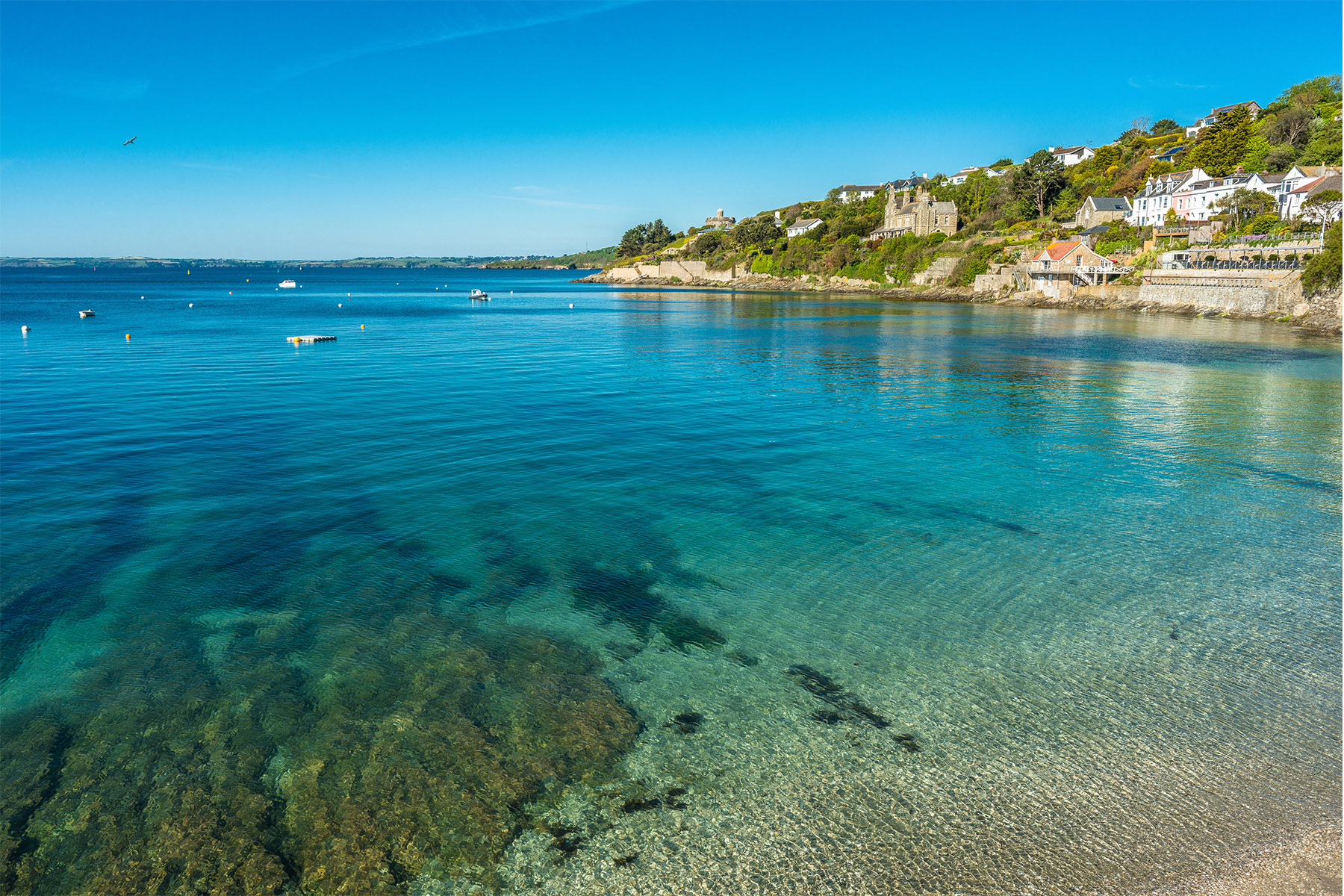
The beach is sheltered by the shape of the harbour and by St Anthony Head across the water, which keeps the water here notably calm compared with the more exposed, open coves further along the Roseland coast. It shelves gently, and although there is no lifeguard cover, the calm, protected water makes it a popular, easy spot for families with small children to paddle and swim close to shore. At low tide there is a reasonable stretch of sand and shingle to enjoy, though space narrows considerably as the tide comes in, and the beach can feel busy in the height of summer given how central it is to the town itself. Parking in St Mawes is limited, as in most of the small towns and villages of the Roseland - there is pay-and-display parking near the harbour, but spaces fill quickly on fine days, and many visitors choose to arrive by boat or on foot rather than try to park in the town centre.
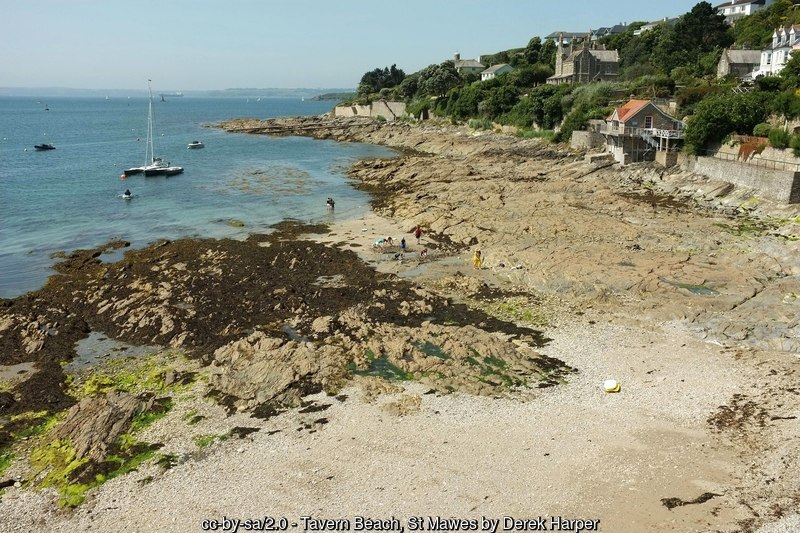
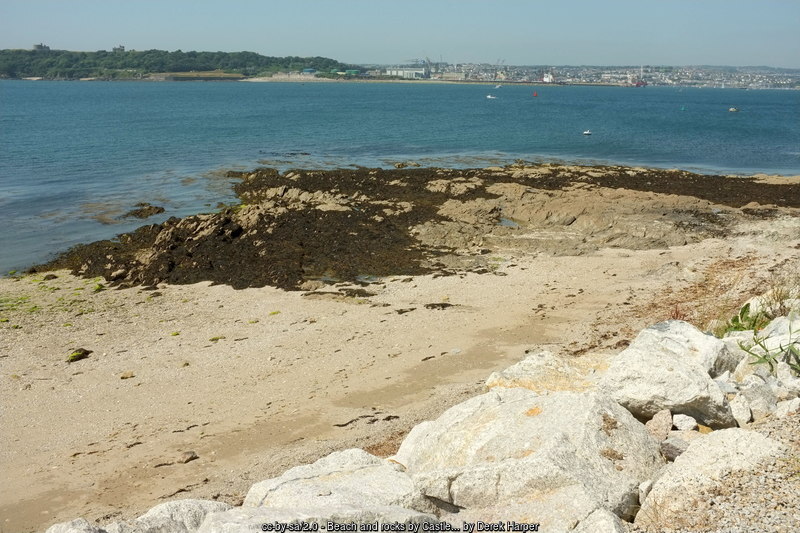
Above the harbour, a short walk from the beach, stands St Mawes Castle, one of the best-preserved of all the coastal artillery fortresses built under Henry VIII, and the single biggest draw for visitors to the town beyond the harbour itself. The castle was built in the early 1540s as part of Henry VIII's ambitious chain of coastal defences, constructed around the English coast in response to the very real threat of invasion from France and Spain following his break with Rome. The Roseland's own landowner, John Arundell, had petitioned the Crown for coastal protection here as early as 1537, and St Mawes Castle was built to defend the mouth of the Carrick Roads and the Fal estuary in tandem with Pendennis Castle, built at exactly the same time on the opposite headland at Falmouth - together the two castles were able to bring crossfire to bear on any hostile ship attempting to enter the anchorage. St Mawes Castle remained an active defensive position through the following century, including during the invasion scare of the Spanish Armada in 1588, though it ultimately surrendered without a shot during the Civil War in 1646, considered too lightly defended to hold against Parliamentary forces.
What makes St Mawes Castle particularly special, architecturally, is its striking clover-leaf, or trefoil, design - three rounded bastions arranged symmetrically around a central tower, a layout that is widely regarded as one of the most elegant surviving examples of Henrician military architecture anywhere in England, decorative as well as functional in a way few of Henry's other coastal forts can match. The castle passed into state care in 1956 and is now looked after by English Heritage, who maintain it as a visitor attraction with far-reaching views back down over the harbour, the beach, and out across the Carrick Roads to Falmouth and Pendennis Castle opposite. A visit to the castle combines naturally with a morning on St Mawes beach, particularly for anyone keen to understand the strategic importance of the harbour the town has grown up around.
Sailing has been part of St Mawes' identity for generations, and the town remains one of the most popular yachting and boating centres on the Fal estuary. The sheltered water of the harbour and the nearby Percuil River, which winds inland from St Mawes towards St Just in Roseland, provide some of the calmest and most attractive moorings anywhere on this stretch of coast, and on any fine day the water here is dotted with yachts, dinghies and traditional working boats. St Mawes Sailing Club runs an active programme of racing and events through the summer months, and the annual Roseland Regatta draws sailors and spectators from across the peninsula. For visitors without a boat of their own, the harbourfront is still an excellent place simply to watch the comings and goings of the fleet, and several operators run boat trips out along the Fal estuary and up the Percuil River from the town.
St Mawes is also a genuine transport hub for this part of the Roseland, thanks to the St Mawes Ferry, a foot-passenger service that connects the town directly across the water to Falmouth and to Place, on the St Anthony peninsula opposite. The ferry is a popular and practical way to reach St Mawes without the drive around the head of the estuary via Tregony and the King Harry Ferry, and equally popular as a scenic way to explore the wider Fal estuary from St Mawes itself. The short crossing to Place gives walkers direct access to the coast path around St Anthony Head, making it entirely possible to arrive in St Mawes by ferry from Falmouth, walk the coast path out towards St Anthony Head and Porthbeor Beach, and return to the town in time for the last boat back - a genuinely car-free day out that few other Cornish harbour towns can offer in quite the same way.
The town's mild microclimate goes well beyond the palm trees on the harbourfront. A short distance outside the town, Lamorran House Garden is a well-known subtropical garden that takes full advantage of the same sheltered, south-facing position and Gulf Stream-warmed air that makes St Mawes itself so distinctive, with terraces of exotic and Mediterranean planting looking out over the harbour below. It is a good illustration of just how unusual St Mawes' growing conditions are compared with most of the rest of Britain, and a popular addition to a day spent around the town for anyone with an interest in gardens as well as beaches and castles.
The town itself rewards a wander well beyond the beach and castle. St Mawes' narrow streets are lined with independent shops, galleries, pubs and restaurants, and its harbourfront hotels have long made it a favoured base for a Roseland holiday with a touch more polish than some of the peninsula's quieter villages. The combination of a sheltered, working harbour, genuinely mild subtropical planting, and a comparatively lively year-round village community gives St Mawes a character quite distinct from the wilder, more remote coves elsewhere on this stretch of coast - it is as much a destination in its own right as it is a beach.
For walkers, St Mawes sits directly on the South West Coast Path, with routes leading out along the Percuil River towards St Just in Roseland in one direction and around the headland towards St Anthony Head, Porthbeor Beach and the Molunan coves in the other. The town makes a natural, well-equipped base for exploring this quieter, less-visited side of the Fal estuary, with everything from a quick harbourside swim to a full day's coastal walking possible without ever needing a car. Given its genuinely small size, sheltered water and gentle shelving, St Mawes beach itself suits families and casual swimmers rather than surfers or anyone after a big, open sandy expanse - its real appeal lies in the setting around it as much as in the sand underfoot.
Visitor Information
Parking
Limited pay-and-display parking is available near the harbour in St Mawes. Spaces fill quickly in peak season, and many visitors arrive instead by the St Mawes Ferry from Falmouth or Place.
Facilities
St Mawes has a full range of shops, cafes, restaurants and pubs in the town centre, a short walk from the beach. There is no RNLI lifeguard patrol on the beach itself.
Disabled Access
The harbourfront and much of the town centre are on relatively level ground, though the beach surface itself is sand and shingle, which limits onward wheelchair access. No dedicated Blue Badge bays are confirmed at the harbourside car parks - check current signage on arrival.
Things to Do Nearby
- St Mawes Castle, the Tudor artillery fort above the harbour, run by English Heritage
- Porthbeor Beach, a secluded, walk-in cove near St Anthony Head, reached via the coast path
- The St Mawes Ferry to Falmouth and Place, a scenic way to explore the wider Fal estuary
Places to Stay
St Mawes has its own range of holiday accommodation close to the harbour and beach:
Frequently Asked Questions
Page last updated: 17 September 2026