Gwynver Beach
Remote Big-Wave Surf Sands North of Sennen
Gwynver Beach, near Sennen, Land's End Area, Cornwall, TR19 6JB
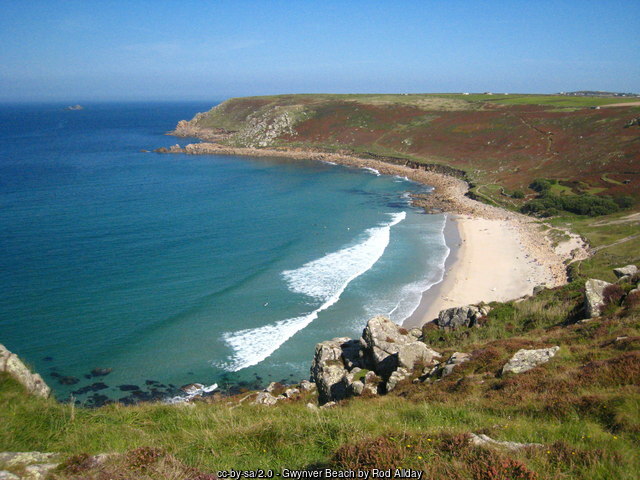
Gwynver Beach is a roughly 150-metre stretch of pale sand at the northern end of Whitesand Bay, immediately below the cliffs a little north of Sennen Cove on the far western tip of Cornwall. At low tide it joins seamlessly with the main sweep of Whitesand Bay to the south, so that the two beaches read as one continuous mile of sand rather than two separate coves; as the tide rises, though, the rocky ground at Gwynver's southern end reasserts itself and the beach becomes its own distinct patch of shore again, cut off from Sennen proper except by the coast path above. Of the two, Gwynver has always been the quieter half - genuinely harder to reach, without a shop or café of its own, and known chiefly among Cornwall's surfing community rather than the wider holiday crowd that fills Sennen's car park and beach cafés through the summer. That relative remoteness is Gwynver's main appeal: on all but the busiest days it offers a stretch of proper West Cornwall sand with space to spread out, framed by the granite cliffs of the Penwith peninsula and, on a clear day, views out towards the Isles of Scilly and the twin rocks of the Brisons.
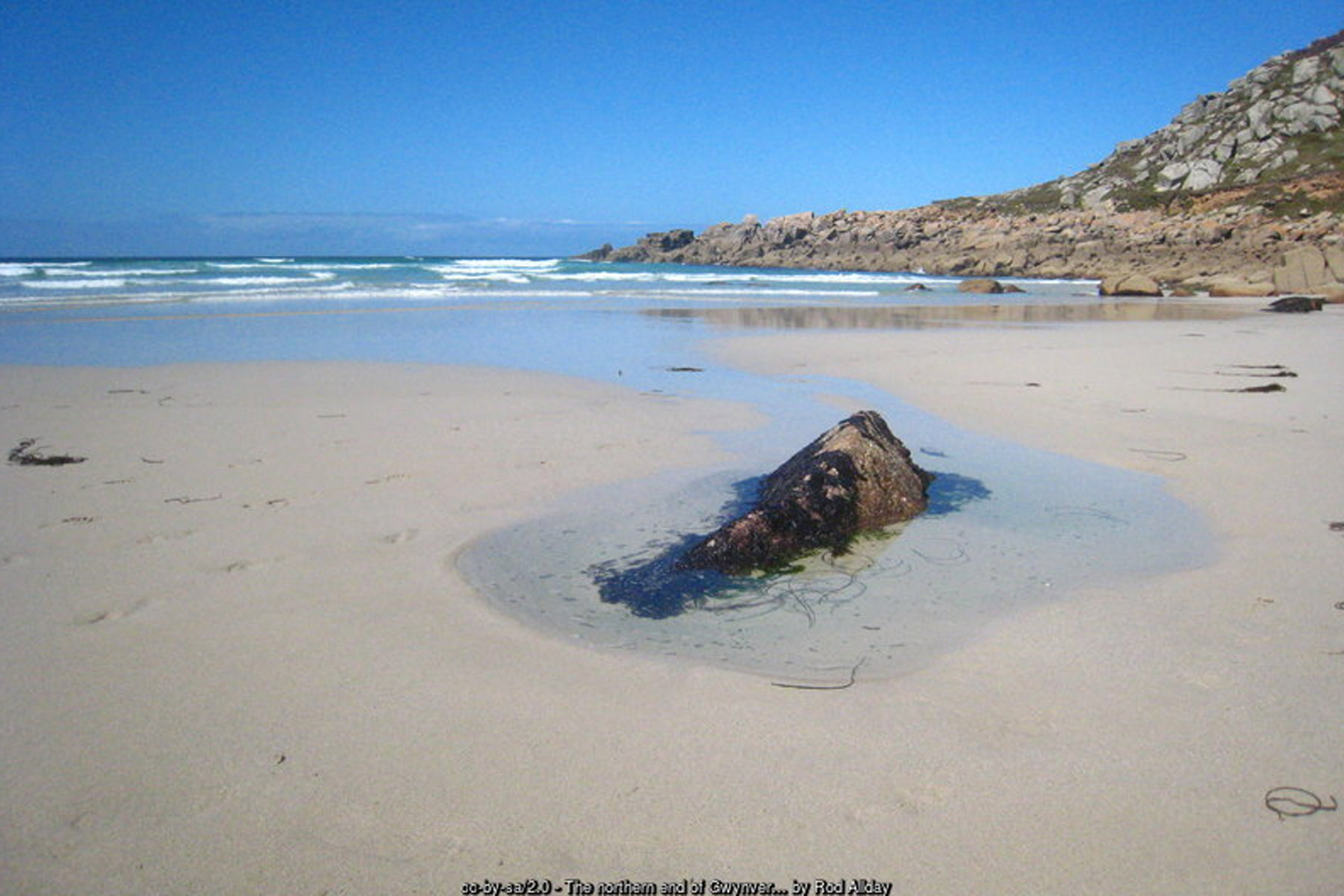
Reaching Gwynver takes a bit more effort than most Cornish beaches, which is part of why it stays quiet. A small, seasonal car park sits on the clifftop above the beach, charging in the region of £1.50 to £4 depending on how long you stay, and from there a well-trodden path drops steeply down to the sand - a genuine ten-to-fifteen-minute walk each way, with a flight of steps built into the steeper sections. It is a manageable walk for most visitors travelling reasonably light, but it is a real deterrent for pushchairs, and anyone with limited mobility should treat the path as a significant obstacle rather than a minor inconvenience; there is no easier alternative route down. The reward at the bottom is a beach that never quite fills up the way Sennen does even in August, and a car park that, while limited, rarely faces the queues that build up at the main Sennen Cove car park on a hot day. Out of season the path and car park are both very quiet indeed, and the walk down is worth doing for the clifftop views alone.
Gwynver's character changes significantly with the tide. At low water the beach is at its broadest and safest, a wide, gently sloping expanse of sand that invites a proper walk along the water's edge towards Sennen. As the tide comes in, though, the beach narrows quickly and the sand steepens into the sea, producing the kind of shore-break and rip conditions that make Gwynver a serious proposition for swimmers rather than a gentle paddling spot - a real contrast with its more sheltered neighbour to the south. RNLI lifeguards patrol Gwynver through the main season, on duty daily from 10am to 6pm between 19 May and 30 September 2026, and their presence matters here more than at most Cornish beaches given how the conditions shift through the day. Outside those hours, or outside the season itself, Gwynver should be treated as an unpatrolled beach, and visitors unfamiliar with its currents are well advised to stay well clear of the water as the tide rises.
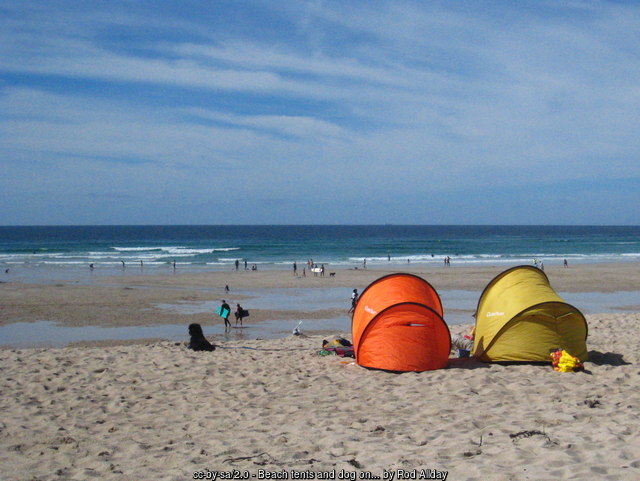
Surfing is really what Gwynver is known for. Sitting at the point where the Atlantic swell first meets this stretch of the Cornish coast, it has a reputation among surfers as one of the most consistently powerful beach breaks in the county, picking up bigger and more clearly defined waves than the more sheltered water further along Whitesand Bay towards Sennen itself. In big winter swells it draws experienced surfers specifically for its size and punch, conditions well beyond casual or beginner level, and surf schools based in Sennen tend to steer their own lessons towards the calmer water closer to the village instead. That reputation, combined with the walk down and the lack of any facilities on the beach itself, keeps the crowd at Gwynver noticeably thinner and more committed than at Sennen, even at the height of summer - a beach for people who have made a deliberate decision to be there rather than simply strolled down from a seafront car park. For visitors happy to carry their own board and make the walk, it is one of the more rewarding surf beaches in this part of Cornwall precisely because of that extra effort required to reach it.
The name Gwynver - also commonly spelled Gwenver - is popularly explained as a reference to Guinevere, King Arthur's queen in the wider body of Arthurian legend that clings to so much of this stretch of Cornish coast between here and Tintagel. It is a charming story, and one repeated widely in tourist literature about the beach, but it is worth treating as folk etymology rather than settled fact: there is no documented historical record tying this particular cove to the Arthurian cycle, and Cornish place names built around "Gwyn-" elements far more often derive simply from the Cornish word for white or fair, a natural enough description for a pale sand beach on this coast. Whether or not the Guinevere connection holds up to scrutiny, it has become part of how the beach is talked about locally, and visitors researching the name will find it repeated confidently on almost every guide to Gwynver - a reminder that not every appealing story about a Cornish place name needs to be literally true to have become a genuine part of how that place is understood and enjoyed today.
Looking out from Gwynver on a clear day, two features stand out on the horizon. Nearest are the Brisons, a pair of jagged granite rocks roughly a mile and a quarter offshore that have long been fancifully described as resembling a reclining human profile - a piece of local folklore sometimes told, only half seriously, as looking like Napoleon lying in state. The rocks have a genuinely grim history: in 1851 the brig New Commercial was wrecked on them, and a wave swept eight men from the vessel, seven of whom drowned within sight of the shore. That disaster is directly connected to the RNLI lifeboat station at Sennen Cove, immediately south of Gwynver, which was established in 1853 specifically in response to the tragedy - so the view from Gwynver's sand looks out towards the very event that gave the neighbouring village its lifeboat service, a service that continues to operate today. Further out, on an exceptionally clear day - usually needing settled, high-pressure weather - the low outline of the Isles of Scilly is visible some 28 miles offshore, a reminder of just how far west this stretch of Cornwall reaches and how exposed it is to the full run of the Atlantic.
The cliffs framing Gwynver are part of the Land's End granite, the same hard igneous rock that forms the exposed, weather-beaten headlands running the length of the Penwith peninsula from here round to Land's End itself, and that granite base is a large part of why this stretch of coast produces such a consistent, powerful swell rather than the softer, more sheltered water found on parts of Cornwall's south coast. Dogs are welcome on Gwynver all year round, with no seasonal restriction at all - a genuine point of difference from Whitesand Bay immediately to the south, where a seasonal dog ban applies through the main summer months, and one worth knowing if a dog-friendly beach visit is the priority for a particular day out.
There are no facilities of any kind at Gwynver itself - no shop, café, or toilets - so visitors planning a full day here typically bring what they need, or walk south along the sand at low tide into Sennen Cove for refreshments, toilets and the village's small cluster of shops and surf outlets. Combined with the walk down from the car park, that makes Gwynver better suited to a shorter, more focused visit - a surf session, a walk, or an hour or two of relatively uncrowded sand - than to a full day's stay with young children in tow, for which Sennen itself, just around the rocks to the south, is generally the easier and better-equipped choice.
Gwynver sits on the South West Coast Path, and walkers based here have easy options in both directions: south across the beach or along the clifftop into Sennen Cove and on to Land's End itself, a walk of a little over two miles that takes in some of the most dramatic granite scenery on the whole Cornish coastline; or north past the Brisons and on towards Cape Cornwall and the old mining coast around St Just, a quieter, less-visited stretch of the Penwith Heritage Coast dotted with the ruined engine houses of the area's tin and copper mining past. Either direction rewards the effort of the initial climb back up from the beach with some of the best coastal views in West Cornwall, and the clifftop path above Gwynver itself is a worthwhile short walk even for visitors who don't intend to go down to the sand at all.
Visitor Information
Parking
A small seasonal car park sits on the clifftop above the beach, charging roughly £1.50-£4 depending on length of stay, followed by a steep 10-15 minute path down to the sand.
Facilities
There are no shops, cafés or toilets at Gwynver itself. The nearest facilities are in Sennen Cove, reachable along the sand at low tide or via the coast path.
Disabled Access
Access is difficult - a steep, stepped path of 10-15 minutes connects the clifftop car park to the beach, unsuitable for pushchairs or wheelchairs. No dedicated Blue Badge bays are confirmed - check current signage on arrival.
Things to Do Nearby
- Whitesand Bay (Sennen Cove), joined to Gwynver at low tide and home to the historic RNLI lifeboat station and Sennen village
- Cot Valley & Priest's Cove, a quieter valley and cove further round the coast towards St Just
- Views out to the Isles of Scilly and the Brisons rocks, visible from the beach and clifftop on a clear day
Places to Stay
Gwynver sits within Sennen parish, the closest genuine accommodation hub to the beach:
Frequently Asked Questions
Page last updated: 17 September 2026