Cornwall's south coast sees far less swell than the north, but when a big Atlantic low sends a south-westerly swell up the Channel and into Mount's Bay, beaches from Perranuthnoe to the Lizard come alive. On those days the south coast often has clean, offshore surf while the north coast breaks are blown out by the same wind.
Praa Sands is the best-known surf beach on the south coast, a mile-long south-facing beach with punchy waves and a surf school on the sand. A few miles east, Porthleven is home to one of the heaviest and most famous reef breaks in England – a wave strictly for experts – while the Lizard's west-facing coves at Gunwalloe and Poldhu and the sheltered sands of Kennack offer gentler options.
With surf hire at Praa Sands, lifeguards on the main beaches in summer and holiday accommodation in Marazion, Porthleven, Mullion and around Kennack Sands, the south coast is a good base when you want to be able to choose between both coasts.
Whether you're watching big winter swells pound Porthleven harbour or looking for a gentle first lesson on the Lizard, South Cornwall has surf for every ability when the conditions line up.
Interactive Map of South Cornwall Surf Beaches
Locate South Cornwall's surf beaches using our interactive surf map.
Click markers for beach information.
Surfing in Mount's Bay & the Lizard
South-west facing beaches in Mount's Bay work on south-westerly swells with a wind from the northern quadrant, which blows offshore here. Swell is less consistent than on the north coast, so these spots are best checked when a big swell is forecast or when the north coast is blown out.
The Lizard's south-east facing beaches such as Kennack Sands need a big south-westerly swell wrapping round the peninsula, or a south-easterly swell, but they offer shelter when the more exposed beaches are too rough.
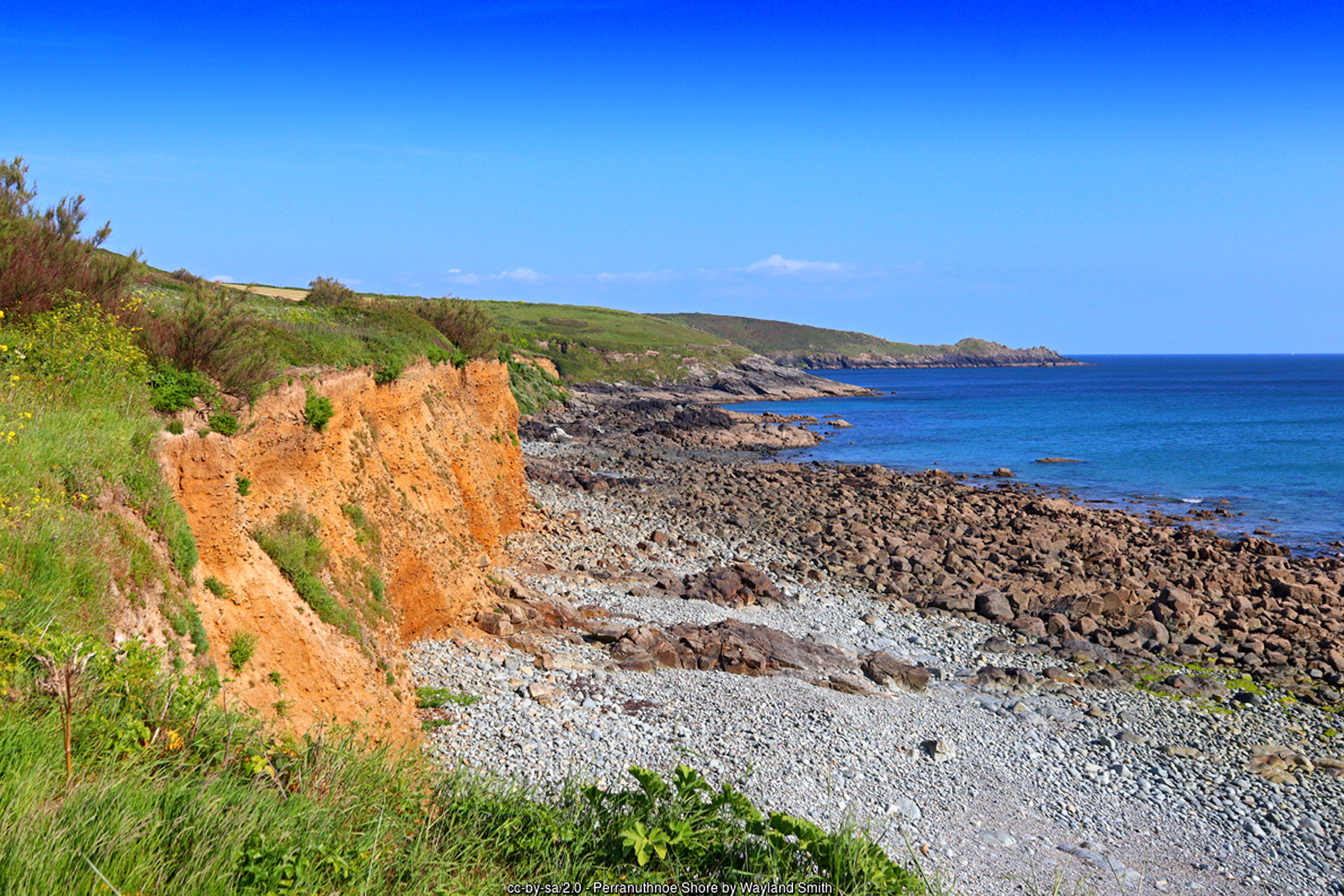
Perranuthnoe – A sand-and-rock cove in Mount's Bay with a workable beach break on the right swell and tide. Like Praa Sands it works on south-westerly swells with a north-quadrant wind, and it is popular with locals in the quieter winter months. Lifeguard cover is not guaranteed.
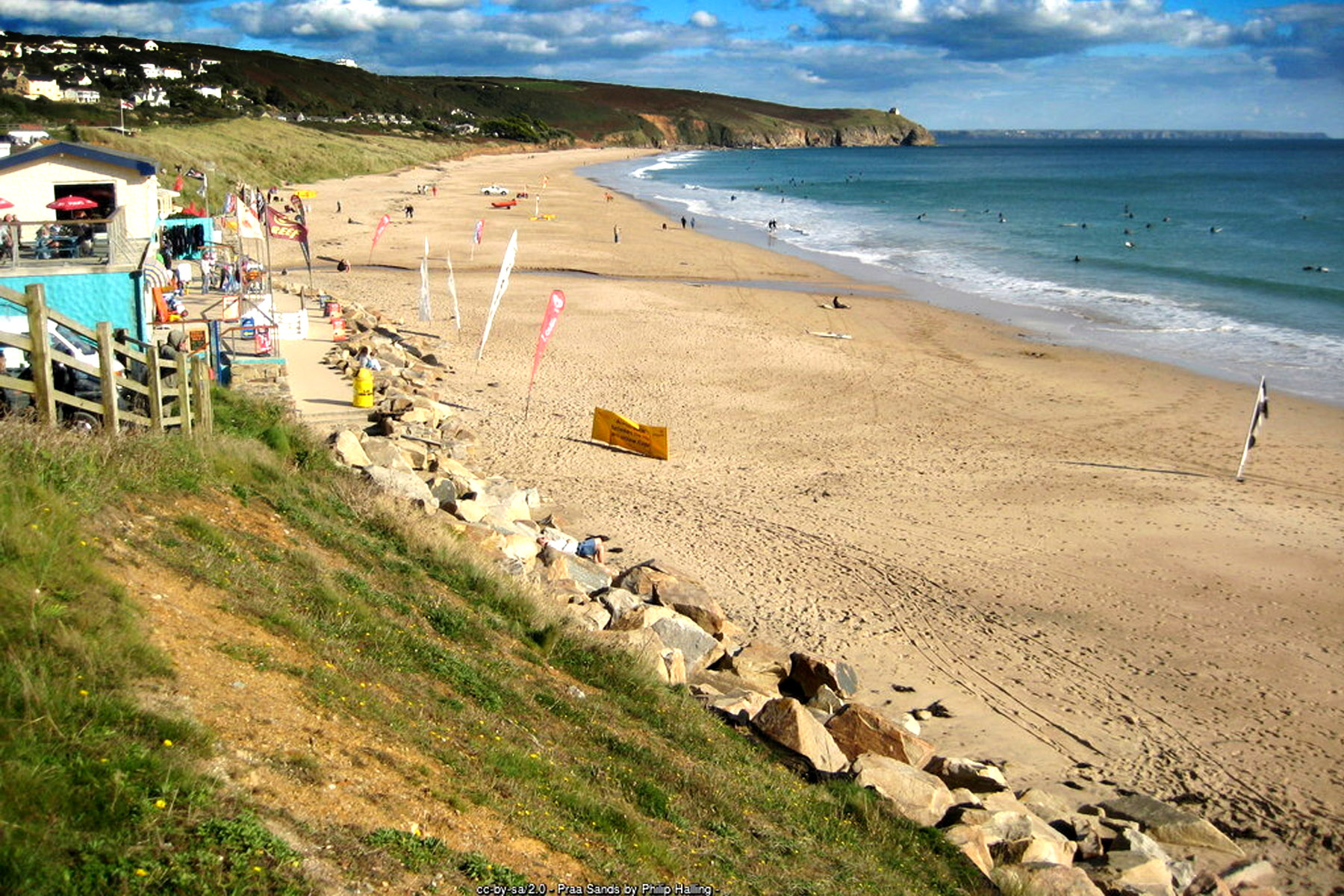
Praa Sands – South-west facing and the south coast's best-known surf beach, catching swell that many south-coast beaches miss. Fast, sucky waves break heavily and close to shore, best from mid to high tide. Strong undercurrents and rips can develop, especially at low water. Global Boarders surf school runs lessons and hire on the beach.
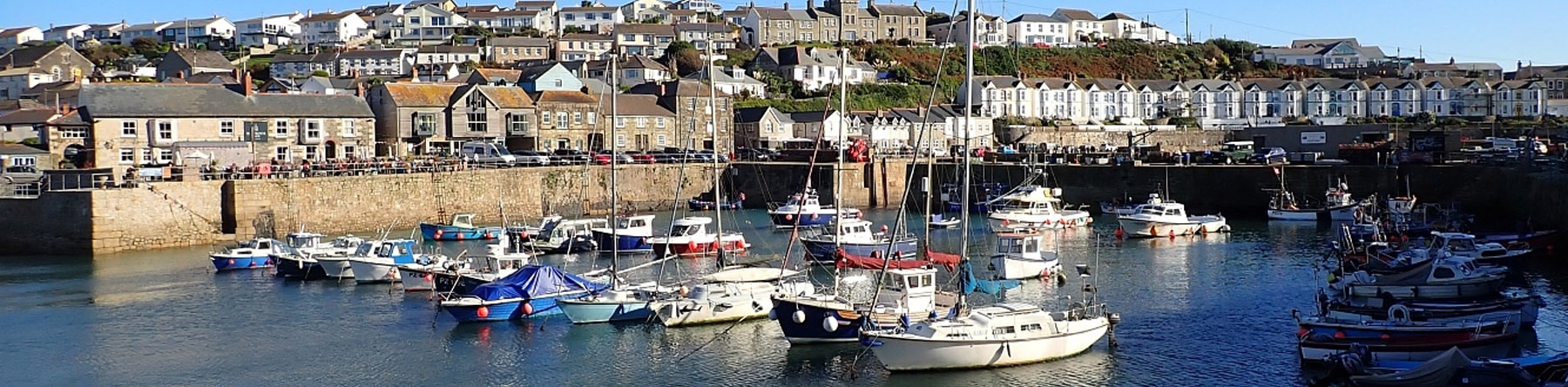
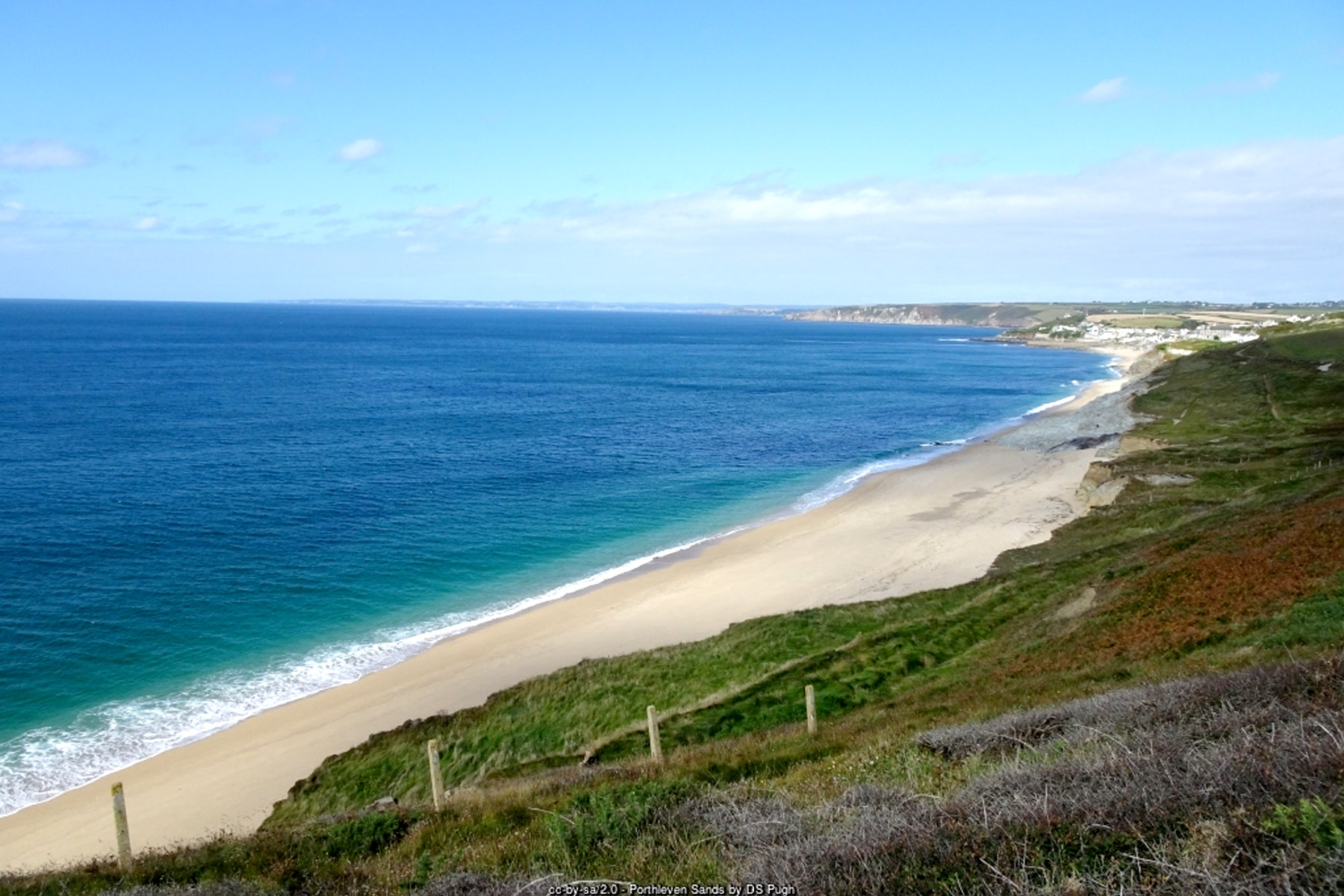
Porthleven – A serious right-hand reef break by the harbour mouth, holding waves up to 12ft and producing heavy, fast barrels on big westerly or south-westerly swells with a north-easterly breeze – so it doesn't work often. Dangerously shallow at low tide and for experts only. A second reef at the harbour wall end is sometimes good at low tide for short, hollow lefts and rights, and is also very shallow.
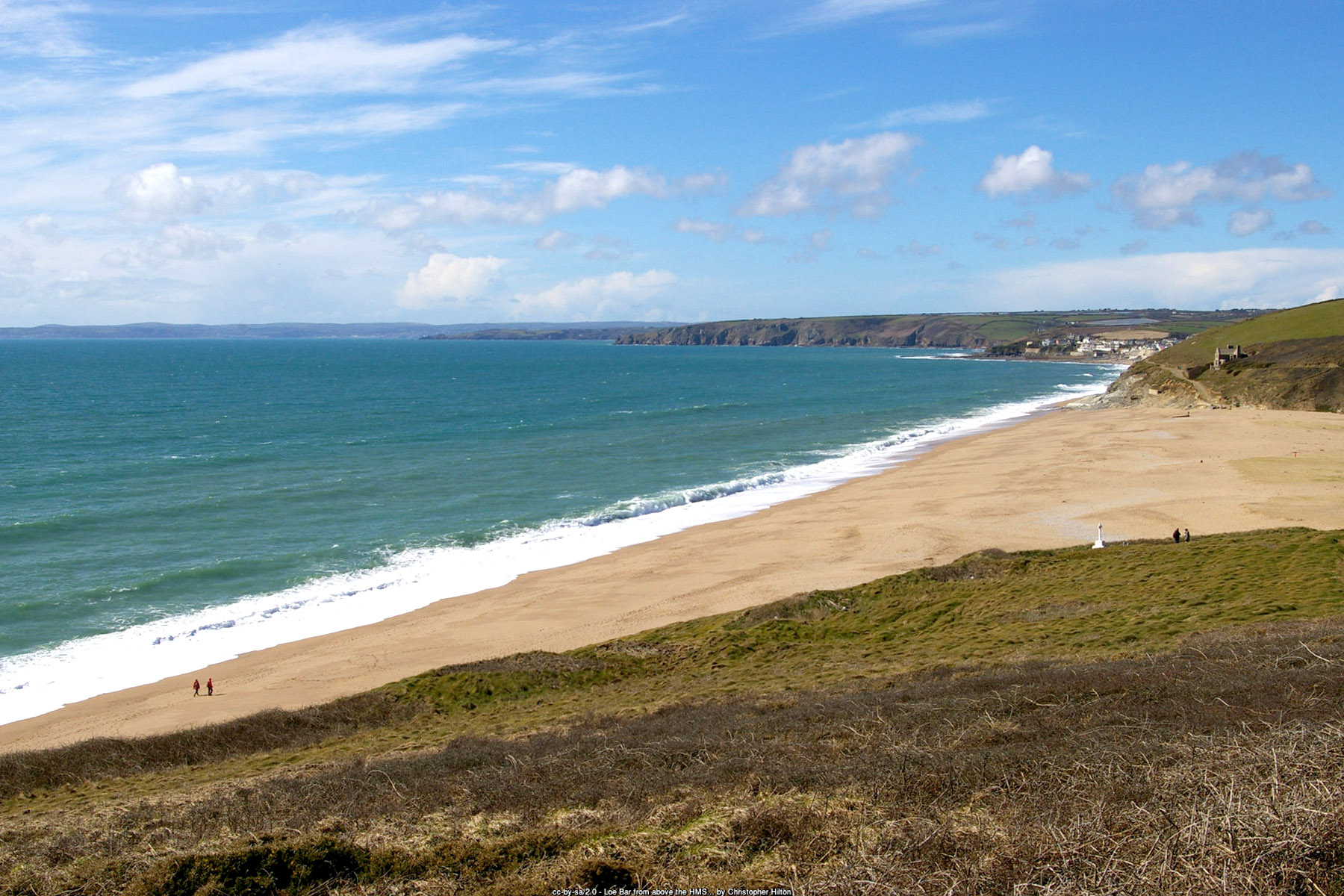
Loe Bar – A great shingle bar where the seabed shelves extremely suddenly and a powerful undertow and rip can develop with little warning. When a swell is running it draws experienced surfers, but it has a long history of drownings, there is no safety cover, and nobody should surf here alone.
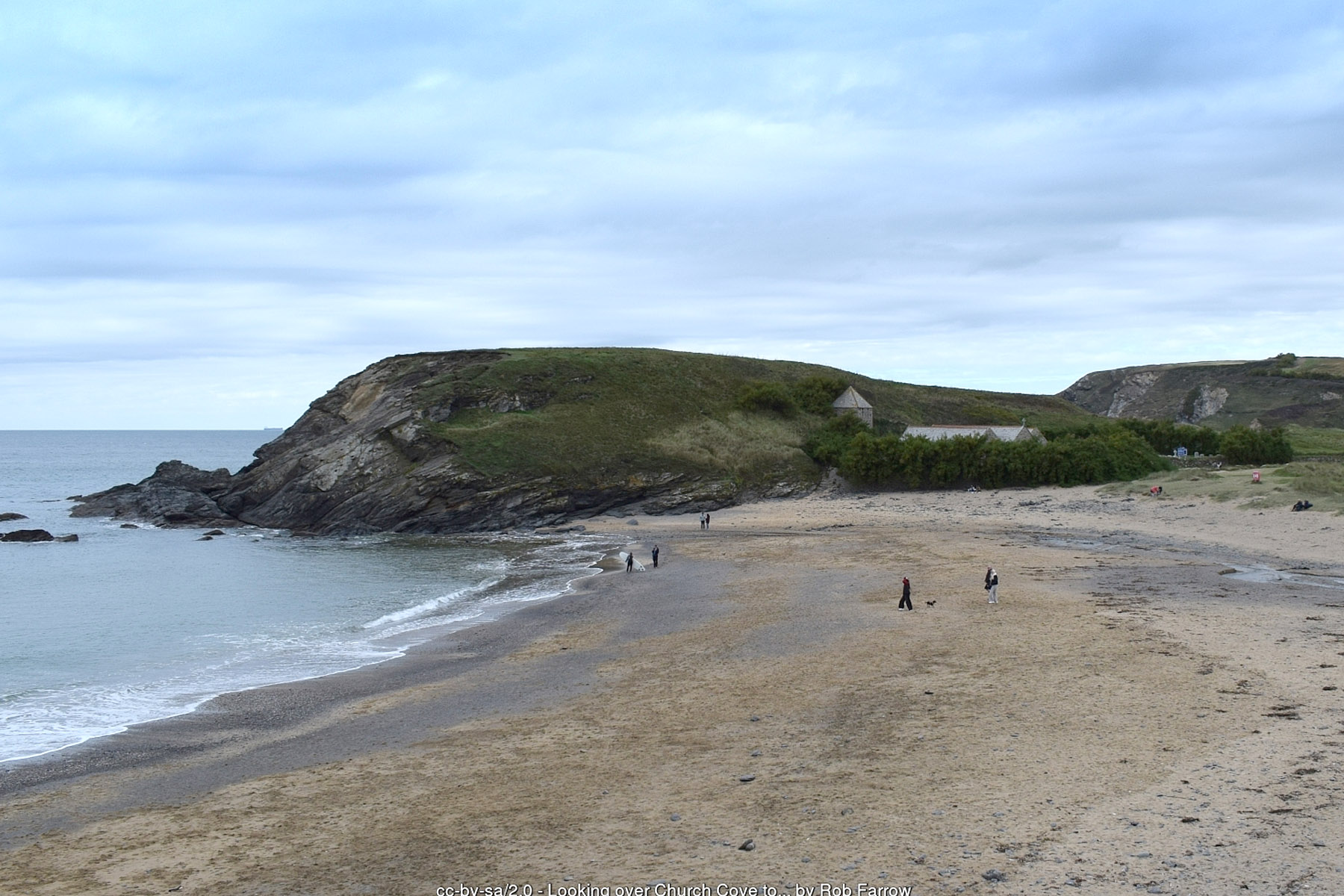
Gunwalloe Church Cove – An open, west-facing sandy cove on the Lizard used by bodyboarders and swimmers, particularly in the more sheltered central section. There is no lifeguard patrol and the rocks at the northern end, by the church, are a known spot for rip currents on a dropping tide.
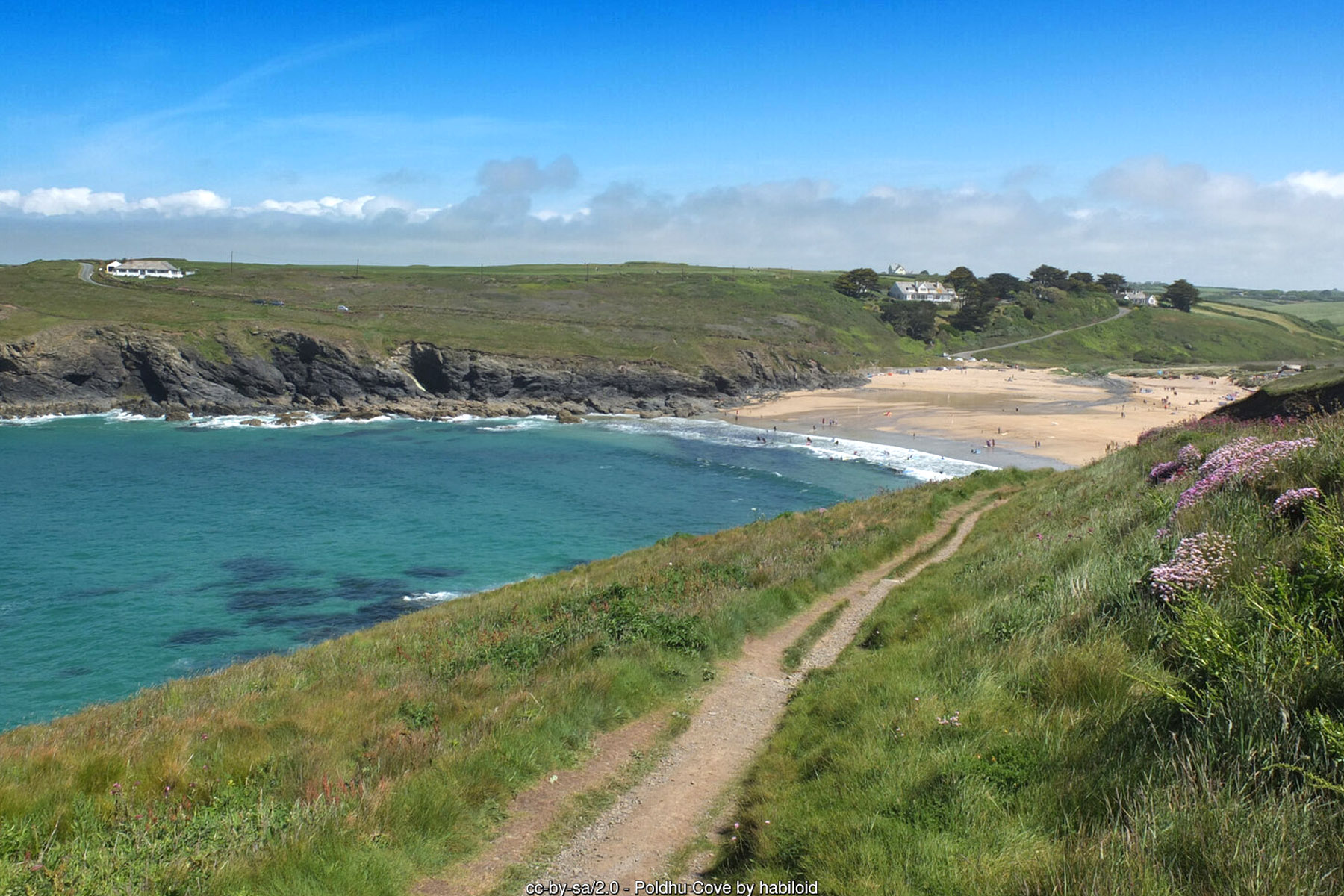
Poldhu Cove – A relatively sheltered, family-friendly beach below Marconi's headland, popular for bodyboarding when the more exposed beaches nearby are too rough for younger children. No permanent lifeguard patrol is confirmed.
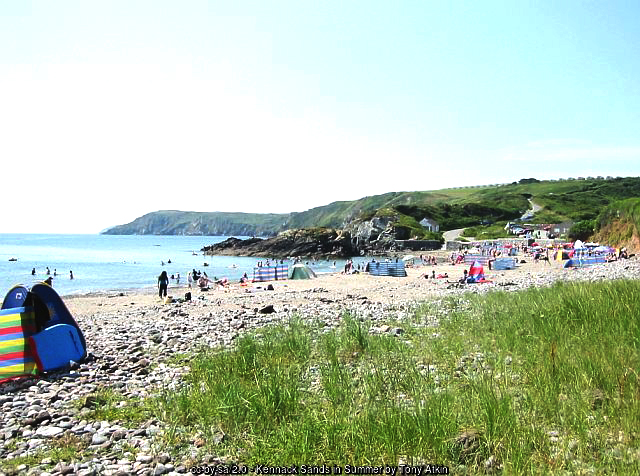
Kennack Sands – South-east facing, gently shelving and sheltered, Kennack Sands is a well-established spot for learning to surf and bodyboard. It works best around mid tide on big south-west or south-east swells, and local surf schools bring beginners here when the Atlantic-facing beaches are being battered.
From experts-only barrels at Porthleven to first lessons at Kennack Sands, Cornwall's south coast rewards anyone who watches the forecast – and on the right day it can be the best surf in the county.
South Cornwall Surf Beach Guides
Perranuthnoe Surf Guide
A sand-and-rock cove in Mount's Bay with views to St Michael's Mount and a workable beach break on the right swell and tide – popular with local surfers in winter.
Popular Activities: Surfing, rock pooling, coast path walks to Cudden Point and the beach cafe.
Small car park a short walk from the beach (overflow field in summer)
Toilets near the car park
Cabin Beach Cafe and the Victoria Inn in the village
Lifeguard cover not guaranteed – check locally
Dogs not allowed 10am–6pm, 1 July to 31 August
At high tide the sea pushes up against the low ochre-red cliffs, leaving only a narrow strip of shingle and rock, and winter storms can strip much of the sand away. A short road from the car park leads to steps and a slipway onto the beach; the sand is uneven in places.
Sat Nav Co-ordinates: N50º 06' 43.10" - W5º 26' 32.43"
The south coast's best-known surf beach – a mile of south-facing sand that catches swell many south-coast beaches miss, with punchy waves and a surf school on the beach.
Popular Activities: Surf lessons, bodyboarding, SUP and kayak hire, and coast path walks to Rinsey and Wheal Trewavas.
Pay & display parking at the western end
Toilets near the car park
Surf shop, general store, pubs and cafes including The Welloe
Global Boarders surf school and hire
RNLI lifeguards in season
Dogs not allowed 10am–6pm, 1 July to 31 August
A mile-long beach backed by fragile dunes – use the marked paths onto the sand. Waves can break heavily close to shore, especially around high tide, and strong undercurrents and rips can develop at low water, so swim between the flags. Access from the car park at the western end is relatively level onto soft sand.
Sat Nav Co-ordinates: N50º 06' 08.08" - W5º 23' 14.14"
Internationally known for the powerful reef break by the harbour mouth, which produces some of the heaviest waves in Cornwall during big winter swells. Strictly for experienced surfers.
Popular Activities: Watching the surf and winter storms, harbour walks, and Porthleven's food scene.
Parking near the harbour (fills fast when a big swell is forecast)
Cafes, pubs and restaurants around the harbour
RNLI lifeguards on the beach, broadly early July to early September
Dogs not allowed 10am–6pm, 1 July to 31 August (town end)
The beach beyond the harbour arm is a modest strip of sand at high tide, broadening towards Loe Bar as the tide falls. The harbourside and quay are level and give good views of the reef and harbour without going onto the sand. Stand well back from the harbour wall in big seas, as advised by the coastguard.
Sat Nav Co-ordinates: N50º 04' 48.27" - W5º 18' 45.95"
A great shingle bar separating the sea from Loe Pool. It draws experienced surfers when a swell is running, but the sudden drop-off and powerful undertow make it one of the most dangerous beaches in Cornwall.
Popular Activities: Coast path walks, birdwatching around Loe Pool and storm watching.
No parking at the beach – National Trust car park at Penrose, about a mile's walk
No toilets, cafe or shop at the beach
No lifeguard cover
Dogs allowed all year
The seabed shelves extremely suddenly just offshore, and a powerful undertow and rip can develop with little warning – conditions that have caused repeated drownings. Not a beach for swimming, and not for beginners in the surf. Access is an unsurfaced woodland and coast path walk not suitable for wheelchairs or pushchairs.
Sat Nav Co-ordinates: N50º 04' 08.40" - W5º 17' 09.60"
An open, west-facing sandy cove backed by dunes and the tiny 13th-century church of St Winwaloe, used by bodyboarders and swimmers in its more sheltered central section.
Popular Activities: Bodyboarding, rock pooling, dog walking and the Halzephron Inn.
Pay & display car park above the beach
No cafe or shop at the beach
No RNLI lifeguard patrol
No confirmed seasonal dog ban – check signage
Conditions can change quickly on this exposed stretch of coast, and the rocks at the northern end by the church are a known spot for rip currents, especially on a dropping tide. A short sandy slope leads down from the car park; the soft sand and dunes beyond make wheelchair access difficult.
Sat Nav Co-ordinates: N50º 02' 20.33" - W5º 16' 08.54"
A sheltered, family-friendly Lizard beach below the headland where Marconi sent the first transatlantic wireless signal – popular for bodyboarding when nearby beaches are too rough.
Popular Activities: Bodyboarding, swimming, the Marconi Centre and coast path walks.
Large National Trust car park beside the beach
Cafe by the beach
Seasonal toilets
No permanent RNLI lifeguard patrol confirmed
Poldhu offers easier access than most Lizard beaches, with a level route from the National Trust car park to the back of the beach suitable for wheelchairs and pushchairs. Check conditions before swimming, particularly with children.
Sat Nav Co-ordinates: N50º 02' 00.18" - W5º 15' 38.03"
One of the Lizard's largest and most family-friendly beaches, with gently shelving, sheltered sand that makes it a well-established spot for learning to surf and bodyboard.
Popular Activities: Surf lessons, bodyboarding, rock pooling and diving.
Pay car park directly behind the beach
Beach shop, cafe and toilets
RNLI lifeguards, weekends from late May and daily in high summer
Dogs allowed all year on East Kennack; restricted on West Kennack 10am–6pm, 1 July to 31 August
Split into East and West Kennack by a tidal rock outcrop, the beach faces south-east and works best around mid tide on big south-west or south-east swells. The car park is close by with a mostly level, short approach, making it more accessible than most Lizard coves.
Sat Nav Co-ordinates: N50º 00' 17.65" - W5º 09' 46.71"
Visiting surf schools use Kennack Sands for beginner lessons when conditions suit
Surfboard Hire
Global Boarders – surfboards, SUPs, kayaks and wetsuits at Praa Sands
Praa Sands village surf shop
Boatshed Activity Centre, StonesReef, Praa Sands (watersports)
Business details believed correct at time of writing – please confirm lesson times, prices and availability directly with each provider before travelling.
Frequently Asked Questions About Surfing in South Cornwall
Can you surf on Cornwall's south coast?
Yes, though the surf is less consistent than on the north coast. South coast beaches such as Praa Sands and Perranuthnoe come alive on south-westerly swells with a northerly wind, which is often when the north coast is blown out.
Is Porthleven suitable for beginners?
No. Porthleven's reef break is one of the heaviest waves in England, dangerously shallow at low tide and strictly for experienced surfers. Beginners are better off at Kennack Sands or taking a lesson at Praa Sands.
Where can I learn to surf on the south coast of Cornwall?
Praa Sands has its own surf school, Global Boarders, running lessons and hire on the beach. On the Lizard, the gently shelving, sheltered sand at Kennack Sands is a well-established spot for learning to surf and bodyboard.
Is Loe Bar safe for swimming?
No. The seabed at Loe Bar shelves extremely suddenly and a powerful undertow can develop with little warning, and there have been repeated drownings. There is no lifeguard cover; enjoy it from the shore.
Are dogs allowed on the south coast surf beaches?
Praa Sands, Perranuthnoe and the town end of Porthleven beach have a dog ban from 10am to 6pm between 1 July and 31 August, as does West Kennack. East Kennack and Loe Bar welcome dogs all year.
Surf conditions, lifeguard patrol dates, parking charges and dog restrictions change from year to year – always check locally and follow RNLI beach safety advice before entering the water.