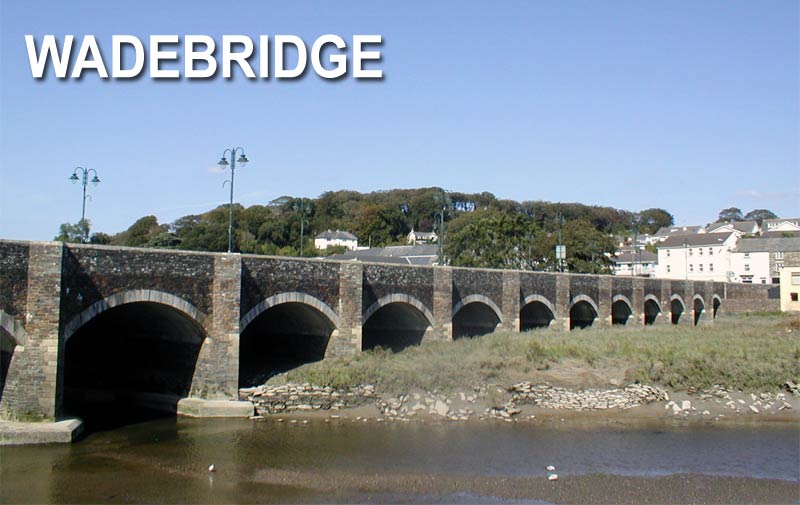
Wadebridge - North Cornwall - The Camel Trail Holidays in Wadebridge Tourism Guide
| Perranporth
| Holywell Bay | Crantock
Bay | Newquay | Porth | Mawgan
Porth | Bedruthan Steps
& Carnewas (NT) | Treyarnon Bay
| Constantine Bay | Harlyn Bay | Trevone |Padstow
| Wadebridge | The
Camel Estuary | Daymer Bay | Rock
| Polzeath | Port
Isaac | Bodmin | |

|
|
|
|
HOLIDAYS IN WADEBRIDGE |
Holiday Cottages in WadebridgeWhere to Stay - Holidays in WadebridgeHotels,
Bed and Breakfast in Wadebridge
|
|
|


Wadebridge, one of North Cornwall's main market towns and gateway to the Camel Trail, now the third largest attraction in the whole of Cornwall. Wadebridge is a centrally located town has much to offer visitors of all ages and interests all year round.
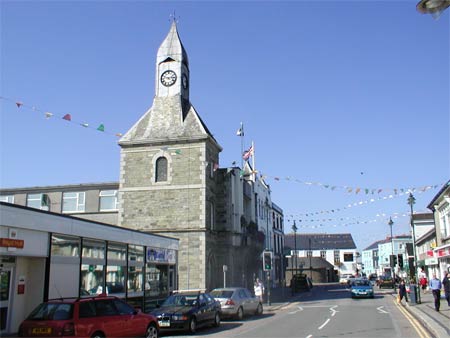
Wadebridge Town centre
A Brief History
One of the earliest recorded mentions of the town of Wadebridge, was in 1313 when a market and two fairs were granted to Wade, within the manor of Pawton. At this time the town was in two parishes, Egloshayle and St Breock, either side of the river Camel. Travellers gave thanks at both sides after a safe crossing. From this time the town became known as Wadebridge.
|
|
|
|
The Wadebridge and Bodmin Railway Line was opened in 1834 and was one of the first built in the world, it carried the first steam trains in Cornwall and was the first in West Britain to carry passengers. On the 13th April 1840 an excursion was run from Wadebridge to see the public execution of the Lightfoot brothers at Bodmin Gaol. On the 30th January 1967 the North Cornwall line was closed for all passenger services and the route is now known as the Camel Trail and is popular with both walkers and cyclists. Visitors can either walk to Padstow and the sea, or inland through wooded valleys to Bodmin and the moor.
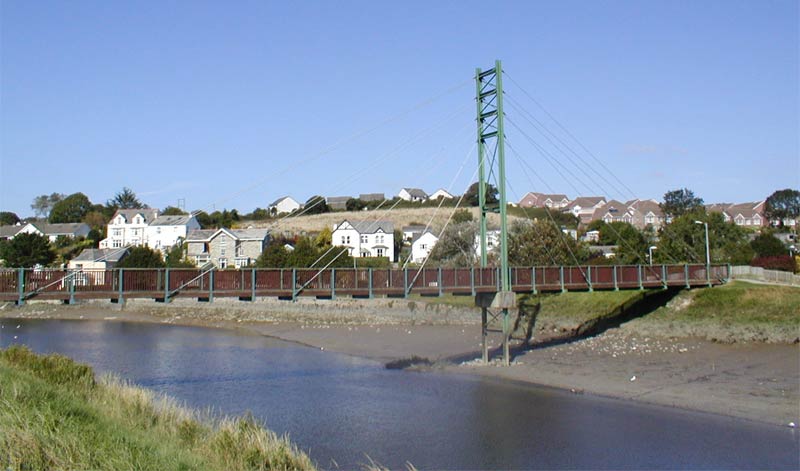
The Camel Trail Cycle Route
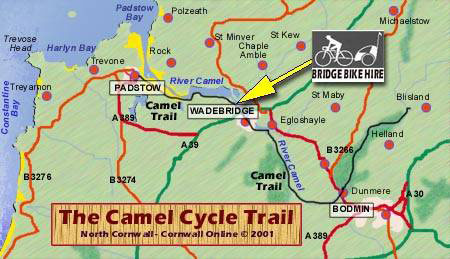
The Camel Trail in North Cornwall, winds its way along the Estuary between Padstow and Wadebridge, then up into the hills of Bodmin Moor to Blisland. The scenery along this popular walking and cycling route is some of the most spectacular in the country.
The Camel Trail cycle route was created on 11 miles of disused railway that ran along the valley beside the River Camel, on what was once originally the Atlantic Express Route from London to the West country.
The Camel Trail links the towns of Padstow, Wadebridge and Bodmin. There is a branch line that follows the river through as it down from North Cornwall's rugged moor land village landscapes and wooded valleys around Blisland the picturesque market town of Camelford. The centre of the Camel Trail is Wadebridge, where the majority of people opt to follow the level/gently sloping route west to Padstow.
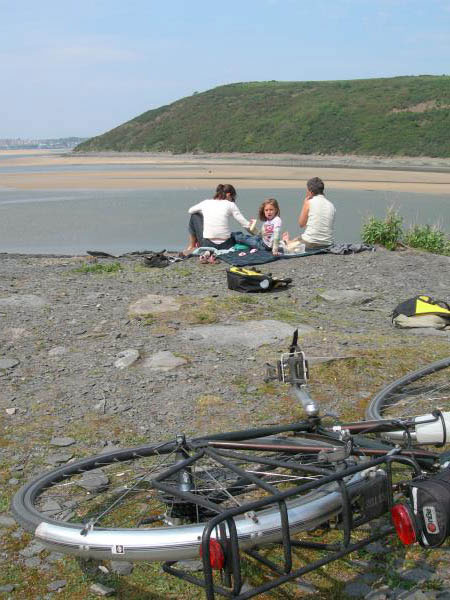
There is bike hire available in Padstow and Wabebridge. The route between the two towns is mostly level, with some gentle slopes. With plenty of little coves and places to stop and admire the view or have a picnic along the way, the Camel trail is an ideal way to spend the day with the familly.
Annual Features
- Royal Cornwall Show - June
- Cornwall Folk Festival - August Bank Holiday
- Eglos Craft Fayre - August
- Carnival - Early August
- Prime Stock Show - November
- Garden Produce Association and Chrysanthemum Show - November
Walking
Wadebridge is an ideal location for keen walkers. For the more adventurous, Bodmin Moor is only 15 miles away and has many places of interest along with some challenging walking areas. Wadebridge is also on the famous Saints Way, a 16 mile cross country path, forged in ancient times by Celtic Saints between Padstow and Fowey. There are also spectacular coastal walks within a few miles of Wadebridge.
Sports Centre
Wadebridge has a new and extensive sports centre, which includes a swimming pool. Other facilities are squash courts, weights room, café, solarium and main hall which holds various activities throughout the week.
Places of Interest
Wadebridge town also offers some of the best arts and crafts galleries and shops. Seek out some of North Cornwall's artists and craftspeople and see vibrant landscapes, beautiful furniture and pottery.
In the nearby village of Egloshayle is the "The Earl of St. Vincent" a public house dating back to the 12th Century, when it was built as a boarding house for the masons who constructed the church.
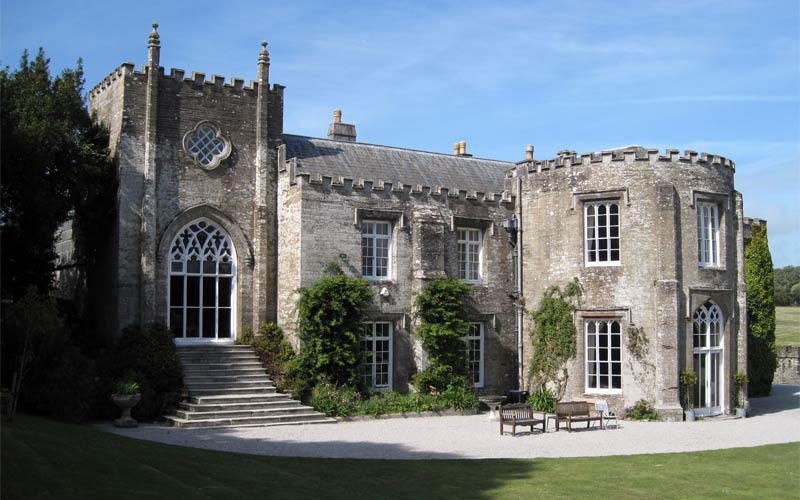
Visit Prideaux Place, in Padstow, a stunning Elizabethan manor house which overlooks the picturesque fishing harbour of Padstow.

|
|