Portwrinkle
A Former Pilchard Harbour at the Western Gateway to Whitsand Bay, Below Clifftop Golf and a Smuggler's Ghost Story
Portwrinkle, near Crafthole, Torpoint, Cornwall, PL11 3BP
Portwrinkle sits right at the western end of Whitsand Bay on the Rame Peninsula in South East Cornwall, a small huddle of cottages, a former coastguard station and a low stone harbour tucked into a break in the cliffs a short lane below the hamlet of Crafthole. It is not a resort in any conventional sense - there are no shops, no seafront arcade and only a single seasonal café - but a genuinely low-key working hamlet whose two little coves, Hoodny Cove to the west of the harbour and Finnygook Beach to the east, still carry the shape of the pilchard-fishing settlement they grew from. Above it all, on the clifftop, the fairways of Whitsand Bay Golf Club run along one of the most exposed and scenic stretches of coast in the county, giving Portwrinkle a slightly unusual double identity: a historic fishing cove below a well-known golf course, both looking out over the four-mile sweep of sand that gives the wider bay its name.
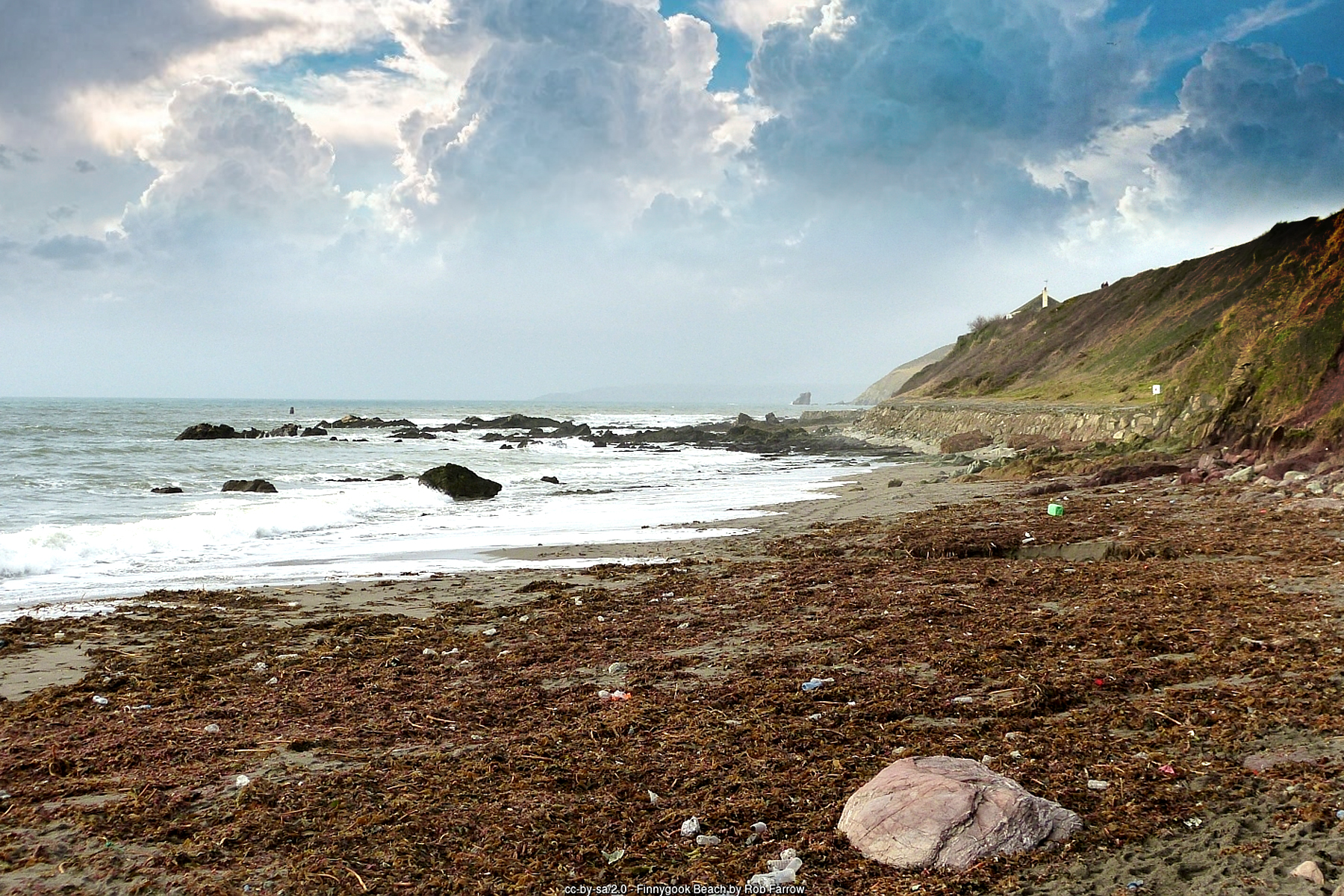
The two coves either side of the harbour wall have distinct characters. Hoodny Cove, immediately west of the harbour, is the more sheltered of the pair, with a sandy shore that broadens well as the tide drops and rock pools worth exploring among the ledges at its western end. Finnygook Beach, east of the harbour and opening more directly onto the main sweep of Whitsand Bay, is sand and shingle over a rockier base, catches more of the swell rolling in from the Atlantic approaches, and is consequently the more popular of the two with experienced surfers and bodyboarders. Both beaches narrow sharply as the tide comes in, with the sea eventually pushing right up against the cliffs and the old harbour wall, so, as with most beaches on this exposed stretch of coast, checking tide times before setting out - and keeping an eye on the state of the sea while there - is well worth the two minutes it takes.
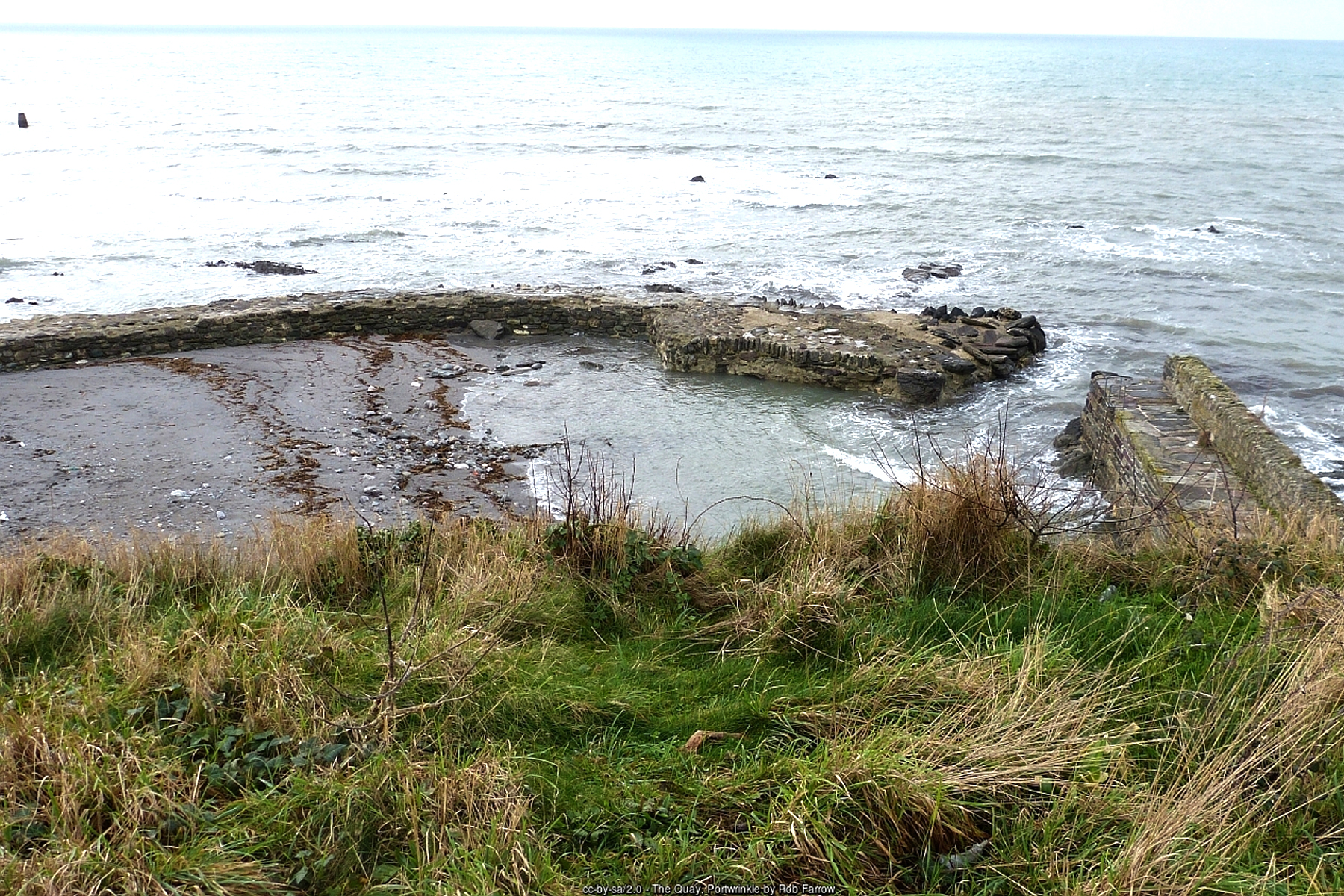
Portwrinkle's story begins with pilchards. In the early 1600s the Carew family of nearby Antony, the principal local landowners, granted a lease to Oliver Walleys of Sheviock parish to build pilchard storing and processing works on the shore here, and the 17th-century walls of those "pilchard palaces", as they were locally known, still survive, now built into the fabric of cottages around the cove. A small harbour followed soon after, its cost shared between the Carew estate and the inhabitants of Sheviock parish, to give the pilchard boats somewhere safe to land their catch before it was processed, salted and pressed for export, much of it eventually finding its way to Mediterranean markets. The harbour that stands today - a stone jetty enclosing a small tidal basin, the rest of which is formed by the natural rock - is Grade II listed and thought to date largely from the 18th century, a modest but well-preserved piece of Cornwall's fishing infrastructure that still gives shelter to a handful of small boats and kayaks on seasonal moorings. When the pilchard shoals that had sustained Cornish fishing communities for centuries collapsed in the early twentieth century, Portwrinkle's working harbour quietly declined along with dozens of others around the coast, and the old cellars found new life as housing rather than as fish stores - although, briefly during the First World War, they served a very different purpose as makeshift billets for soldiers before their deployment to France.
The same isolated coves that suited pilchard fishing also suited smuggling, and this stretch of coast between the Tamar and Looe was a well-used run for contraband brandy, tea, lace and tobacco through the eighteenth and early nineteenth centuries. Portwrinkle's own contribution to the county's rich smuggling folklore is the story of Silas Finn, a local smuggler said to have been caught red-handed by excise officers and to have bought his own freedom by agreeing to betray his fellow free-traders. According to the tale, Finn arranged to signal from the cliffs above the eastern cove to guide his unsuspecting former partners ashore with a fresh cargo, only for customs men to be waiting for them when they landed. The betrayal is remembered in the name the beach still carries today, Finnygook, and in the story - repeated by generations of locals - that Finn's guilt-ridden ghost has haunted the cliffs above the cove ever since, unable to rest after the deaths and transportations his treachery brought about. The tale is also kept alive a little inland at the Finnygook Inn in Crafthole, a much older building with its own long association with the smuggling trade on this coast.
High above the harbour and both coves, the clifftop is given over almost entirely to Whitsand Bay Golf Club, an eighteen-hole course founded in 1905 and laid out by the noted golf course architect Willie Fernie of Troon. Running along one of the most exposed and dramatic sections of coastline in the South West, with sea views from virtually every hole and fairways that follow the contours of the headland rather than fighting them, it is as much a scenic landmark for visitors to Portwrinkle as it is a golf course in its own right, and its clubhouse and hotel buildings are a recognisable feature looking down over the beach from the west. A little further east along the coast path, beyond the reach of a short visit but a worthwhile detour for more energetic walkers, is Sharrow Grot: a small artificial cave cut into the cliff at Sharrow Point in the late 1770s and early 1780s by Joseph Lugger, a retired naval officer who was advised to take up strenuous outdoor exercise for his gout and chose excavating a grotto with his own hands as the cure, leaving carved verses on its walls that can still be traced today.
Away from its history, Portwrinkle today is a quiet, largely residential hamlet that trades on exactly the kind of understated charm that a lot of nearby Whitsand Bay shares: no crowds to speak of even in August, no commercial strip, just the harbour, the two coves, a seasonal beach café, and the coast path threading along the clifftop past the golf course in one direction and on towards Tregantle and Freathy in the other. Facilities are correspondingly modest - there are no shops in the village itself, with the nearest post office and a wider choice of services up the lane in Crafthole - which suits visitors who come here specifically to get away from the busier honeypot beaches elsewhere in Cornwall. What Portwrinkle does have on its doorstep, in the golf club, the old harbour and the coast path, is more than enough to fill a good half-day, particularly combined with a walk along the sands towards the rest of Whitsand Bay when the tide allows.
Practically, a visit to Portwrinkle rewards a little planning. The approach lanes down from Crafthole are narrow, and the two small cliff-top car parks - one parish-run, one privately operated - fill quickly on fine days, so arriving early or outside peak summer hours is the more reliable option. There is no RNLI lifeguard patrol at Portwrinkle itself; the nearest seasonally lifeguarded beaches are further along Whitsand Bay at Tregantle and Tregonhawke, so swimmers here should take their own precautions, watch for rip currents near the harbour wall and headlands, and keep an eye on the incoming tide, which can cut off sections of beach faster than it looks. Dog rules differ a little between the two coves and, as at many Cornish beaches, can be adjusted from season to season, so checking current signage on arrival is worth doing regardless of what has been the case in previous years.
Visitor Information
Parking
Two small cliff-top car parks serve Portwrinkle, one parish-run and one privately operated, close to the harbour and the old coastguard cottages. The approach lanes from Crafthole are narrow and spaces are limited, so arrive early on fine days or consider walking in along the coast path.
Facilities
A seasonal beach cafe and public toilets serve the harbour area, but there are no shops in the village itself - the nearest wider range of services, including a post office and pub, is up the lane in Crafthole. There is no RNLI lifeguard patrol at Portwrinkle.
Disabled Access
Portwrinkle is reached down narrow, sloping lanes, and the beaches themselves are accessed via steps or the uneven harbour slipway onto sand, shingle and rock, so it is not well suited to wheelchairs or buggies. There are no dedicated Blue Badge bays in the small car parks, so Blue Badge holders should check current signage on arrival.
Things to Do Nearby
- Whitsand Bay Golf Club, an 18-hole clifftop course founded in 1905 directly above the beach, open to visiting golfers
- The South West Coast Path, which runs along the clifftop past the golf club and on towards Tregantle and Freathy to the east
- Downderry, a sand and shingle beach a little further along this stretch of coast, within the same Whitsand Bay group of beaches
- Whitsand Bay, the long main sweep of sand that Portwrinkle sits at the western end of
- Sharrow Grot, a small hand-carved cave and viewpoint further east along the coast path at Sharrow Point, cut into the cliff in the late 1770s
- Tregantle Beach, the nearest RNLI seasonally lifeguarded beach along Whitsand Bay, reached via the coast path or its own Cornwall Council car park
- Portwrinkle Harbour, the Grade II listed 18th-century harbour wall at the heart of the village, on the Historic England list of listed buildings
Places to Stay
Portwrinkle itself has no dedicated holiday accommodation listings of its own - it is a small, largely residential hamlet built around its harbour rather than a resort. The nearest hub for places to stay is the village of Crafthole immediately behind it, so the listings below are for Crafthole rather than Portwrinkle specifically:
Frequently Asked Questions
Page last updated: 15 September 2026.