Kingsand & Cawsand
Twin Smugglers' Villages on the Rame Peninsula, Divided Once by the Devon-Cornwall Border
Kingsand & Cawsand, Rame Peninsula, near Torpoint, Cornwall, PL10 1NA
Kingsand and Cawsand are two of the most photographed villages in Cornwall, their tall, pastel-washed cottages and narrow, car-free lanes tumbling down a steep fold of the Rame Peninsula to meet at a small, sheltered beach of sand and shingle on Cawsand Bay. Looking out across Plymouth Sound to the naval city just three miles away by water, the twin villages have made their living from the sea for centuries - first as fishing communities, then, with equal enthusiasm, as a byword for smuggling - and today draw walkers off the South West Coast Path, day-trippers arriving by ferry from Plymouth, and holidaymakers happy to swap a big resort beach for cobbled slipways, four village pubs and some of the finest coastal walking in South East Cornwall. Uniquely among Cornish beach villages, Kingsand and Cawsand were also, until as recently as 1844, in two different counties altogether - a genuine piece of administrative eccentricity that visitors can still trace on the ground today.
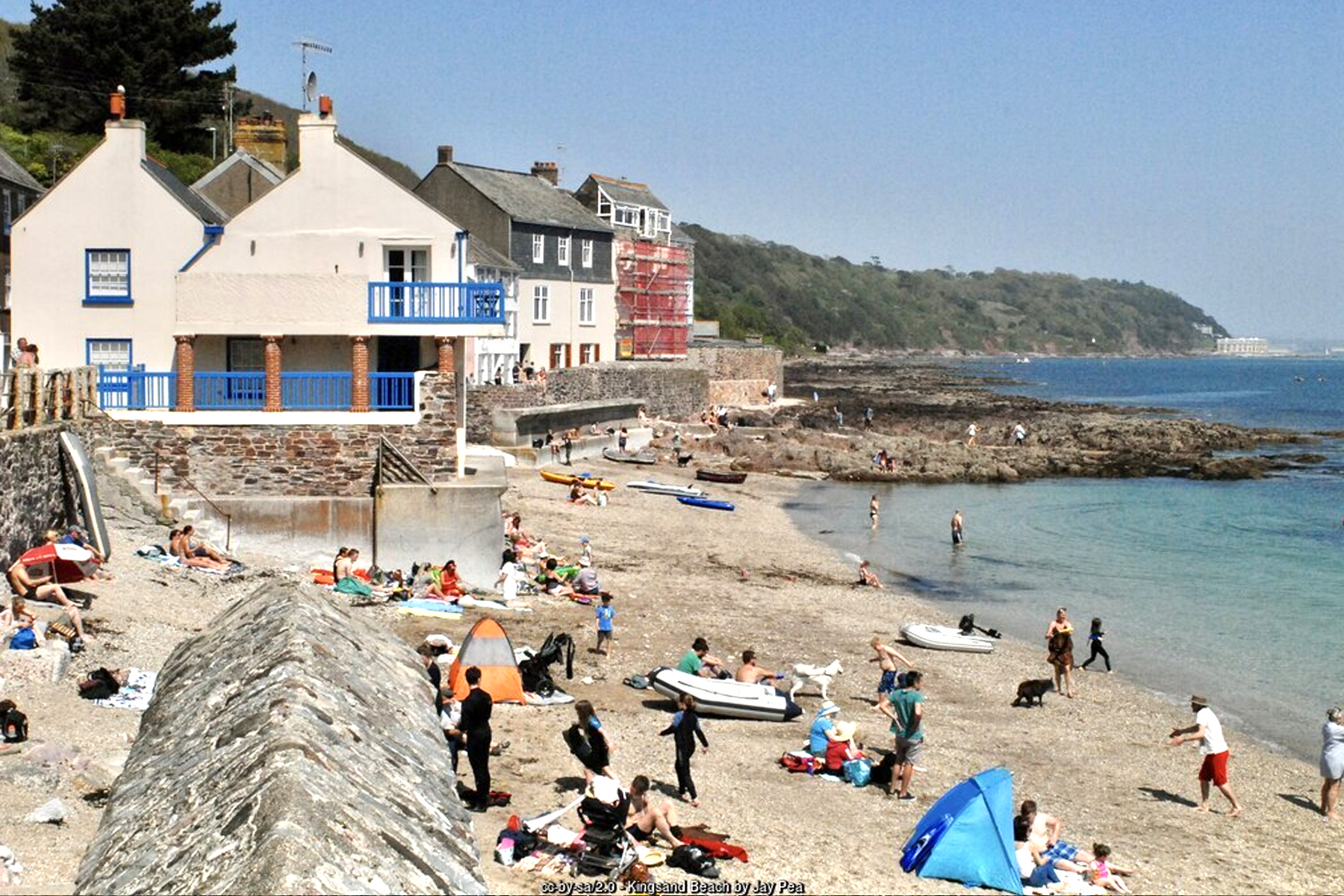
For most of their history, Kingsand belonged to Devon and Cawsand to Cornwall, even though the two villages are separated by no more than a stream and a short run of cottages. The anomaly arose because Kingsand fell within the ancient Devon parish of Maker, while Cawsand sat in the Cornish parish of Maker-with-Rame's Cornwall side - a boundary that had made administrative sense in the medieval period but grew steadily stranger as the two settlements grew together into what was, for all practical purposes, a single community. It was finally tidied up in 1844, when Kingsand was formally transferred into Cornwall under the wider county boundary reforms of the period. The old line is still marked today by a boundary stone close to the site of the former Halfway House, roughly at the point where the two villages meet, and by a property near the stream still known locally as marking the old "Devon Corn" divide. Longtime residents have spoken of a good-natured rivalry between "Devon" Kingsand and "Cornish" Cawsand that persisted long after the paperwork was settled, and the story remains one of the first things any local guide or plaque in the villages is keen to point out.
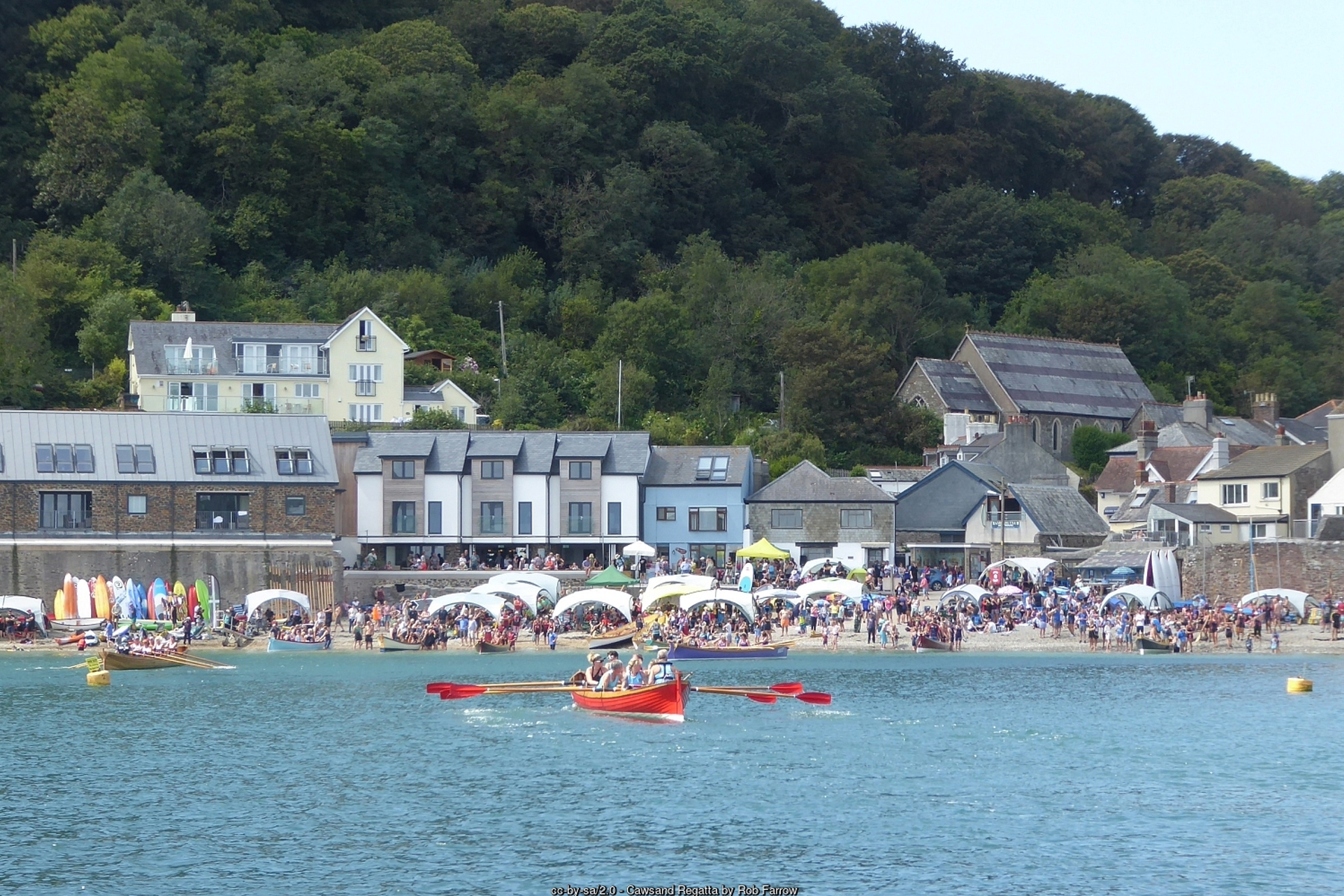
Smuggling is the other great strand of the villages' history, and it runs at least as deep as the fishing that first put them on the map. Sheltered anchorages, a maze of narrow back lanes, and proximity to both the open Channel and the naval hub of Plymouth made Kingsand and Cawsand a natural landing point for brandy, tea, tobacco and other contraband run in from France and the Channel Islands through the eighteenth and early nineteenth centuries. Fish cellars and boat stores that once served the legitimate pilchard trade doubled just as readily as stores for smuggled goods, and although the tunnels once said to connect cellars and cottages have long since been sealed, the fish cellars and boat stores themselves still line the shore as a visible reminder of that dual economy. The Smugglers' Inn at nearby Maker, its name a nod to the same history, still stands today. Fortifications from the Tudor and Napoleonic periods, built precisely because this stretch of coast was considered vulnerable to both smugglers and invaders, still watch over the approaches to Plymouth Sound from the headlands either side of the villages, most visibly at Picklecombe Fort towards Sandways and at Cawsand Fort above the bay.
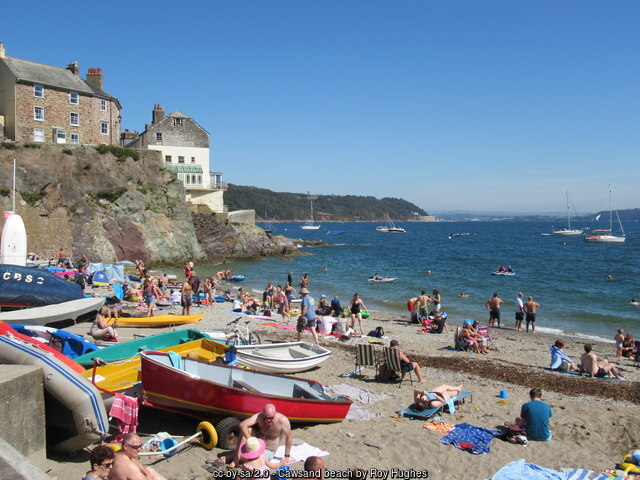
The beach itself is really a short run of connected coves rather than one uniform strand. At the heart of it, where the two villages meet along The Cleave, the beach is a workable mix of sand and shingle, improving as the tide falls and backed directly by the village itself, with pubs, cafes and cottages standing almost at the water's edge. Cawsand Beach, curving round to look directly across Cawsand Bay towards Plymouth Sound, is generally the calmer and sandier of the two, sheltered enough for family paddling and small boats, with rock pools worth exploring around its rocky edges at low tide; Girt Beach, nearer Market Street, is more shingle than sand. Further round towards Fort Picklecombe, Sandways is reached only over rocks and is quieter again, a favourite with those wanting to escape the busiest part of the shore in summer. Water quality along this stretch has improved markedly in recent years, and all of the beaches here are now considered safe for a swim, though as with any open Cornish water, common sense and an eye on the tide and weather are always worthwhile.
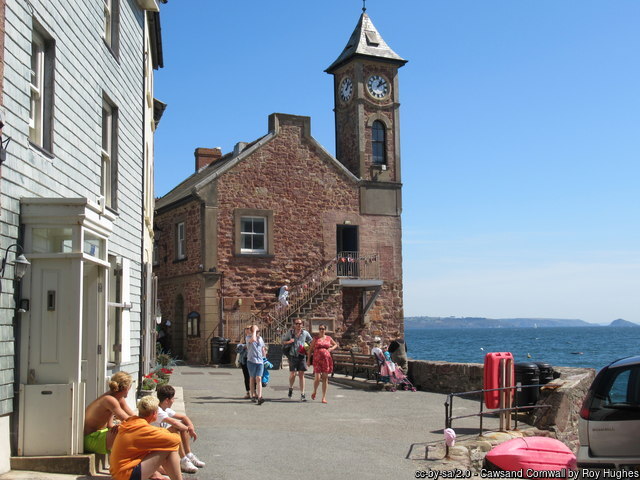
Beyond the beach itself, the villages reward slow exploration. Kingsand's 1911 clock tower and Institute, built to mark the coronation of King George V, is one of the most photographed spots on the seafront and houses a cross-stitch tapestry of the two villages made for the late Queen Elizabeth II's Golden Jubilee in 2002. The former St Paul's Church, built in 1882, now serves the community as a hall rather than a place of worship. Each May Day, the Black Prince Procession brings a flower-decked model boat through the streets of Kingsand, Cawsand and neighbouring Millbrook in a well-loved local tradition marking the start of summer, and the Rame Peninsula Male Voice Choir, founded in Kingsand in 1976 and recognised with the Queen's Award for Voluntary Service in 2018, still performs locally. History of a more military kind touches the villages too: the naval officer John Pollard, credited by tradition as the marksman who avenged Admiral Nelson's death at Trafalgar by shooting the French sailor responsible, has long been associated with Kingsand, and the wider stretch of coast between Kingsand and Sandway Point is protected as a Site of Special Scientific Interest for its exposed early Permian volcanic rock and rhyolite, visible in the cliffs above the beach.
The South West Coast Path runs directly through both villages, making them a natural stopping point on longer walks around the peninsula. Heading south from Cawsand, the path climbs out towards the dramatic headland of Rame Head, where the ruined medieval chapel of St Michael stands on the site of a much older hermitage, with sweeping views across Plymouth Sound and out into the English Channel; walking north from Kingsand instead leads up onto Maker Heights, with its own fine views back over the Sound, or on into Mount Edgcumbe Country Park, from where Barn Pool and the historic Cremyll Ferry back to Plymouth are within easy reach. For visitors without a car, the Cremyll Ferry is in many ways the classic way to arrive: a year-round foot-passenger crossing of the Hamoaze from Admiral's Hard in Plymouth to Cremyll, followed by a walk of a mile and a half or so through the Country Park to the villages. In summer a second, more direct option opens up, with a seasonal passenger ferry running straight from Cawsand Beach to the Mayflower Steps in the heart of Plymouth, and a peninsula bus service also links the villages to Torpoint and on towards the city by road for those who prefer not to walk.
Practically, the twin villages are best enjoyed on foot once you arrive, and it is not advisable to try driving the short beach road between them - it is narrow, often congested in summer, and the villages themselves are largely traffic-free by character if not always by strict rule. Cornwall Council operates a pay-and-display car park at Cawsand with around 139 spaces, charged between 9am and 4pm and free overnight, while parking at Kingsand is limited to a scattering of on-street spaces along its steep lanes. Both fill early on fine summer days, so many visitors choose to arrive by ferry or on foot along the coast path instead, treating the walk itself - past Rame Head, through Mount Edgcumbe, or along Whitsand Bay to the west - as part of the day out rather than simply a way of getting there.
Visitor Information
Parking
Cornwall Council operates a pay-and-display car park at Cawsand (around 139 spaces, charged 9am-4pm, free overnight); Kingsand has only limited on-street parking along its narrow lanes. Both fill quickly on fine days, and driving the beach road between the villages is not recommended - many visitors arrive instead by the Cremyll Ferry or on the coast path.
Facilities
Cawsand has a beach cafe/shop, boat hire and public toilets; both villages have pubs, cafes and small shops close to the shore. There is no RNLI lifeguard patrol at Kingsand or Cawsand, so visitors should check conditions themselves before swimming.
Disabled Access
The villages themselves are reached down steep, narrow streets, and the beach is accessed over a slipway and a mix of sand, shingle and rock with no purpose-built ramp, so wheelchair access is limited. There are no dedicated Blue Badge bays at either village's parking, so Blue Badge holders should check current signage on arrival.
Things to Do Nearby
- Barn Pool, a small historic beach in Mount Edgcumbe Country Park, reachable on foot from Kingsand and Cawsand or via the Cremyll Ferry from Plymouth
- Rame Head and St Michael's Chapel, a dramatic headland with a ruined medieval chapel, reached along the South West Coast Path south of Cawsand
- Picklecombe Fort, a Napoleonic-era coastal fort overlooking Plymouth Sound near Sandways beach
- Mount Edgcumbe Country Park, with its formal gardens, follies and coastal walking trails, a short walk north of Kingsand
- The Cremyll Ferry, the historic foot-passenger link between Mount Edgcumbe/Cremyll and Plymouth's Admiral's Hard
Places to Stay
Both villages have their own range of holiday accommodation, from fishermen's cottages to self-catering apartments overlooking the beach:
Frequently Asked Questions
Page last updated: 15 September 2026.