Cornish Genealogy
Family History and Mining Ancestry in Cornwall
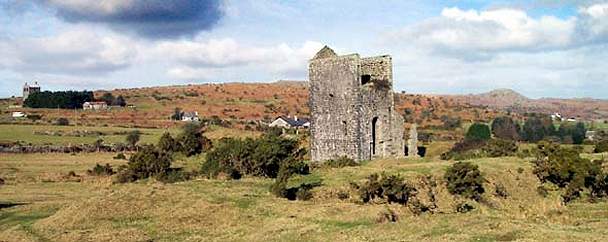
Unearthing Kin: Genealogy and the Mining Communities of Cornwall, 1600–1930
The granite spine of Cornwall harbours more than tin and copper. Beneath its rugged landscape lies a stratified social history bound inextricably to mineral extraction - a history preserved not in lode rock but in parish registers, mine account books, and the migratory patterns of families whose lives were measured in fathoms underground. From the shallow "coastal streamworks" of the 17th century to the industrialised deep-shaft mines of the Victorian era, Cornwall's mineral wealth shaped demographic patterns that demand their own genealogical approach.
Demographic fluidity and parochial constraints
Cornish mining society defied static rural models. Before 1750, communities clustered around surface workings, with baptismal records - such as those at Gwennap parish - revealing high infant mortality, often exceeding 30% in valleys thick with smelting smoke. After 1780, deep mining drew transient labour: skilled "tributers" (miners paid via ore-share contracts) migrated seasonally between the declining copper districts of east Cornwall and the growing tin fields of the west, fracturing family units across registration districts. Genealogists researching this period typically need to cross-reference several record types together:
- Parish records - baptismal entries often note a father's occupation ("tin streamer," "shaft sinker"), though burial registers may not record cause of death.
- Mine captains' ledgers - surviving documents, such as those from Dolcoath Mine in Camborne, list tribute teams and can expose kinship networks otherwise invisible in parish records.
- Methodist circuit books - nonconformity dominated mining communities by 1800, and Wesleyan registers capture populations often missing from Anglican records.
Kinship economics and occupational heredity
Analysis of 19th-century census data shows occupational persistence running through generations in mining parishes like St Just - not simply tradition, but skill specialisation. "Bal maidens" (ore processors) formed matrilineal work gangs, while fathers apprenticed sons as "spallers" (ore breakers) through informal, verbal arrangements. Wills probated in the Consistory Court of Exeter show miners directing shares of future tribute earnings to widows, creating paper trails of contingent inheritance worth following up.
Catastrophe as a genealogical marker
Mine disasters punctuate many family histories. The 1893 East Wheal Rose flooding, which drowned 39 miners, generated coroner's inquests listing next of kin, while the 1919 Levant Mine man-engine collapse left compensation claims naming dependents. Records generated by events like these can expose household compositions that census returns alone don't capture.
Methodological notes
Reconstructing a Cornish mining lineage generally benefits from:
- Spatial analysis - mapping mine locations against parish boundaries to track migration between districts.
- Onomastic scrutiny - patronymic surnames ("Williams," "Richards") are common, so distinguishing individuals often requires cross-referencing mine employment numbers.
- Record linkage - connecting apprenticeship indentures (held at the Cornwall Record Office) with settlement examinations to trace family members who fell into poverty.
The slag heaps may erode, but the genealogical record of Cornwall's mining families - forged in risk, bonded by skill, and dispersed by boom and bust - endures as a record of an industry that shaped bloodlines as thoroughly as it shaped the land.
Genealogy & heritage resources
Churches of Cornwall
A pictorial guide for genealogists tracing family history through parish churches.
Visit pageCornish Associations World-Wide
A directory of Cornish heritage organisations around the world.
Visit siteCornwall Family History Society
Records, journals and research support for tracing Cornish ancestry.
Visit siteMineral Tramways Project
Cornwall's historic mining trails, where much of this mining ancestry is set.
Visit pageChurches of South East Cornwall
A guide to parish churches in the south-east of the county.
Visit pageHistorical documents & data files
The following are older, plain-text reference files rather than formatted web pages - useful source material for researchers, but note that some file paths have been corrected below (the original Cornish Surname Index link contained a space in the folder name, which is invalid in a URL).