Hannafore
Shingle, Rockpools and Sweeping Views to Looe Island on the West Looe Shore
Hannafore Road, West Looe, Cornwall, PL13 2DG
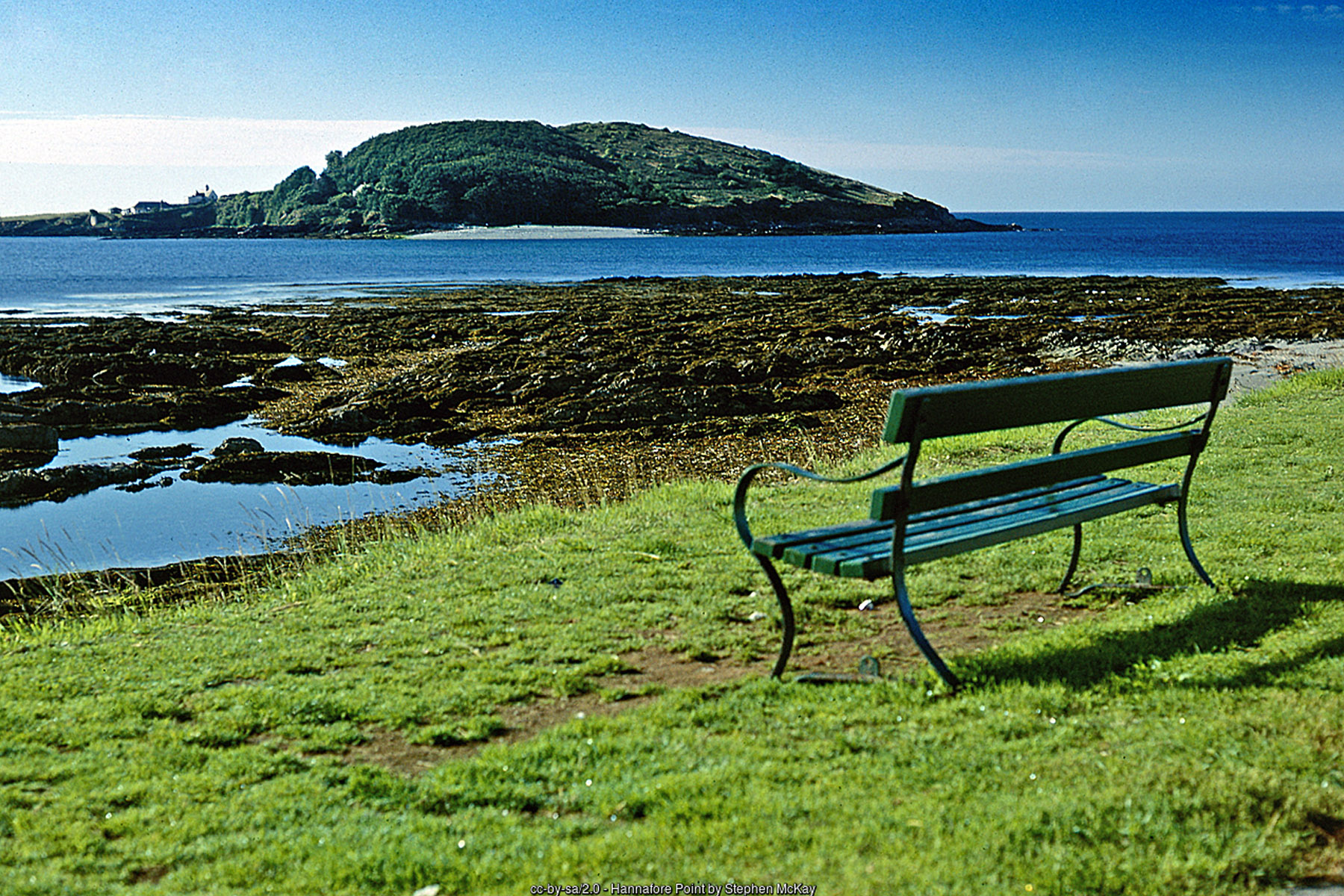
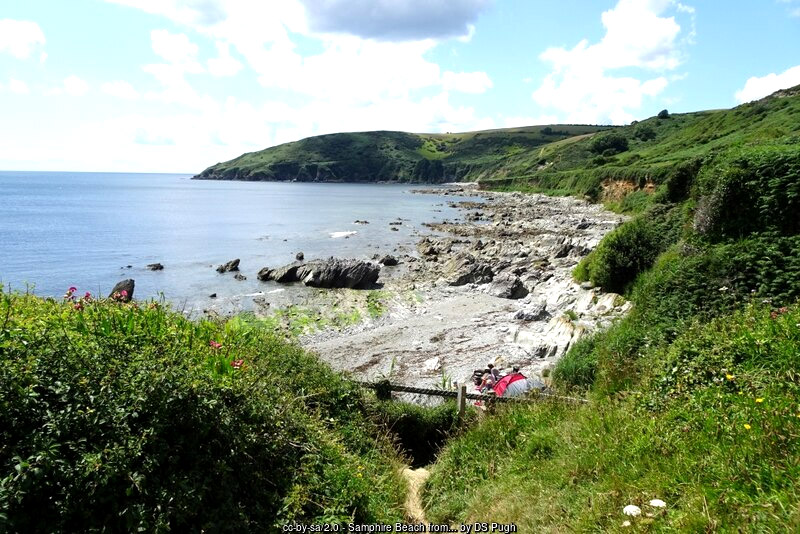
Hannafore is the long, quieter shore that runs along the West Looe side of the Looe estuary, stretching from close to the harbour mouth out to the headland of Hannafore Point and on towards Portnadler Bay. Where East Looe's beach is sandy, sheltered and often busy in summer, Hannafore is a different kind of beach entirely: a mix of shingle and coarse sand backed by a long concrete sea wall and promenade, with an extensive reef of rock ledges running out from the shore that is steadily uncovered as the tide falls. It is a south-east-facing stretch of coast that catches the sun for much of the day, and its defining feature is not really the beach material underfoot at all but the view out across the water - a clear, uninterrupted sightline to Looe Island, sitting a short distance offshore, that makes Hannafore one of the best vantage points anywhere in Looe.
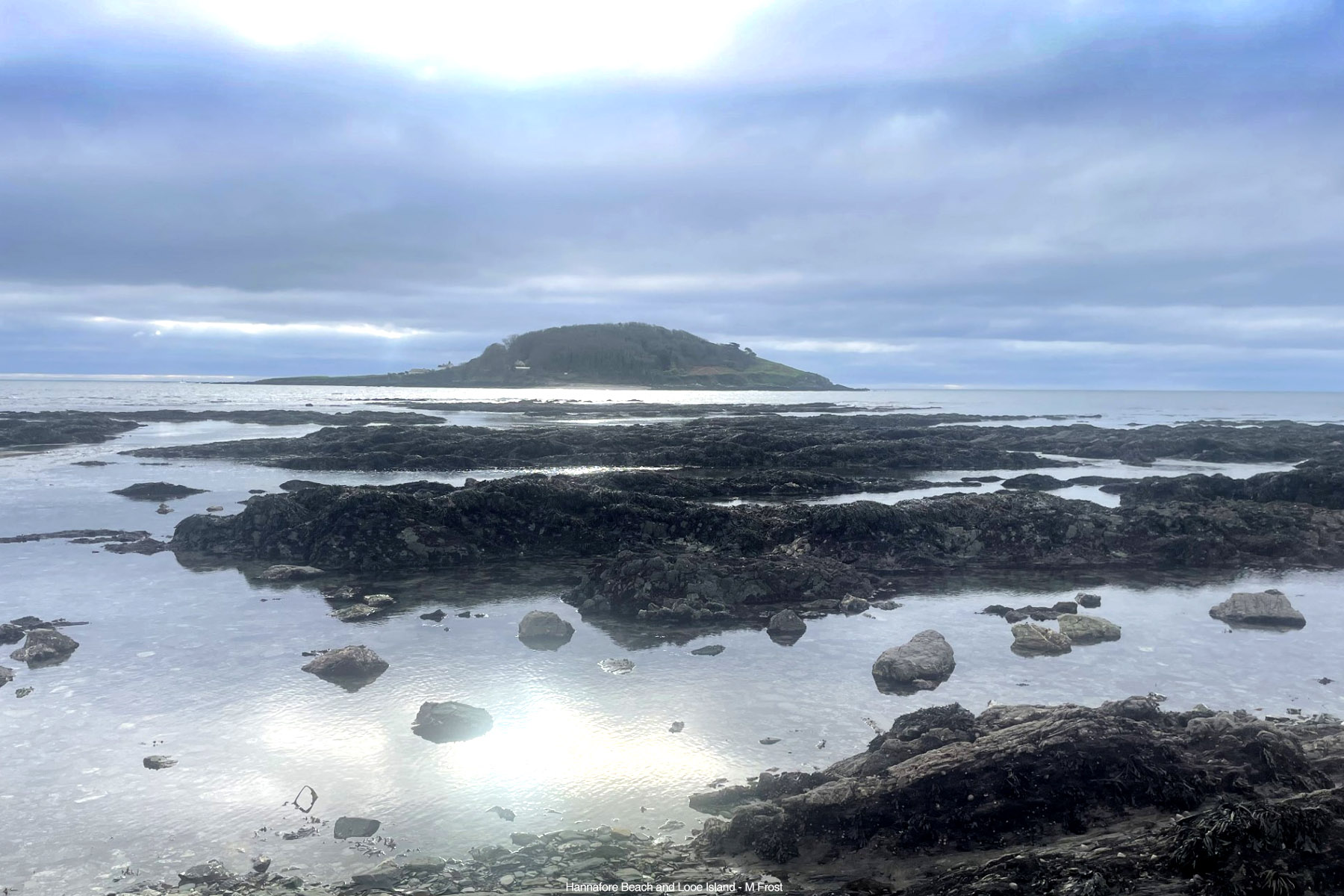
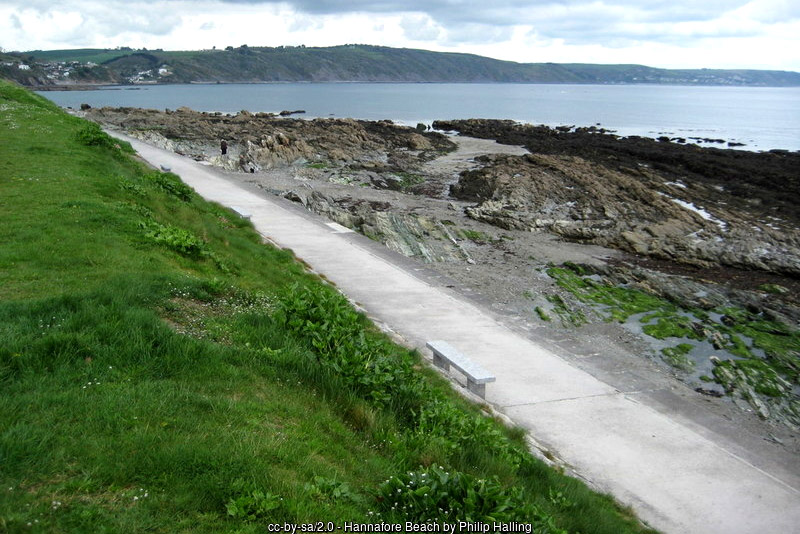
The promenade itself is one of Hannafore's most useful features. A level, walkable sea wall runs the full length of the beach, giving easy access for pushchairs, wheelchairs and anyone who would rather admire the view than scramble over shingle, while grassy banks rise above the wall in several places, offering a pleasant spot to sit, picnic or simply watch the water. A small Coastguard lookout station stands roughly midway along the front, close to the public toilets and the beach's kiosk café, and it is from around here that most visitors drop down onto the sand and shingle itself, usually via a sloping ramp that, in most places, ends in a single step down onto the beach proper - a detail worth knowing if you are pushing a buggy or using a wheelchair, since it means the promenade is fully accessible even though the beach surface below it is not entirely step-free.
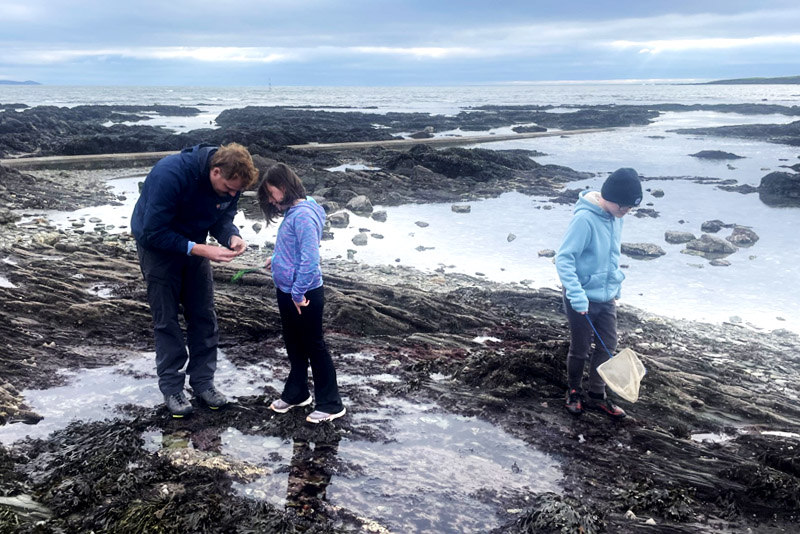
It is that reef, cut into the local Devonian slate and shale - the folded, fine-grained "killas" rock that forms so much of this stretch of the South East Cornwall coast - that gives Hannafore its real appeal for anyone travelling with children, or simply curious about the shore. As the tide drops, a genuinely large expanse of shallow, easily reached rockpools opens up among the ledges, and unlike some rockier Cornish coves the going here is relatively gentle, with a paved path leading out from the beach among the rocks. Regular rockpool rambles run by the Looe Marine Conservation Group have recorded a good range of life in these pools, including several species of crab, starfish (among them the less commonly seen seven-armed starfish), dahlia anemones, two-spotted clingfish, and even stalked jellyfish and the leathery egg cases of nursehound sharks tucked among the seaweed. As with any rockpooling trip, a falling tide and a pair of old shoes are the best preparation, since the rock surfaces can be slippery where seaweed has built up.
Offshore, filling the view from almost every point along Hannafore's promenade, sits Looe Island - also known as St George's Island - a roughly 22-acre outcrop with a history stretching back much further than its current, quieter role as a nature reserve. In the early medieval period the island came under the wing of Glastonbury Abbey, and Benedictine monks maintained a chapel there until the late thirteenth century; centuries later, its isolation made it useful to smugglers working this stretch of coast through the seventeenth and eighteenth centuries. Its more recent history is just as distinctive: in 1965 two sisters, Evelyn and Barbara "Babs" Atkins, bought the island and made it their home for decades, writing two books about their life there, and on Babs's death in 2004 the island passed to Cornwall Wildlife Trust, which has managed it ever since as a nature reserve in perpetuity, with resident wardens overseeing its conservation.
Cornwall Wildlife Trust runs seasonal day trips to Looe Island by boat, tide and weather permitting, with visits typically lasting around two hours and small group sizes kept deliberately low-key so as not to disturb the wildlife; guided walks are also offered during the season. You do not need to land on the island to enjoy its wildlife, though - grey seals, the larger and far more frequently seen of the two species recorded here, regularly haul out on the Ranney Reefs on the island's south side at low water, and are often visible from Hannafore's shore with a good pair of binoculars, especially as the tide falls. Several Looe boat operators, including the long-established Looe Sea Safari, run dedicated wildlife-watching trips around the island for a closer view of seals hauled out on the rocks, alongside sightings of seabirds and, in season, dolphins - always maintaining a respectful distance, particularly if a pup is present.
West Looe, the town immediately behind this beach, has its own distinct identity and history, separate from and considerably older in its own right than its livelier twin across the river. It was granted its own borough charter by Richard, Earl of Cornwall, sometime between 1225 and 1257 - centuries before the two Looes were formally united into a single borough in 1898 - and for hundreds of years it stood as an independent fishing and trading port in its own right, built on pilchards and crab rather than the tourist trade that now defines much of East Looe's harbourside. The two towns have been physically linked since the fifteenth century, first by a wooden bridge recorded in 1411 that later burned down, then by a stone bridge - complete with its own chapel dedicated to St Anne - completed in 1436. St Nicholas' Church, West Looe's own chapel of ease, is recorded as being enlarged before 1330 and has had an unusually varied life since, having served at different times as a guildhall and a schoolhouse before being restored back to purely religious use in phases through 1852, 1862 and 1915. Walking the promenade at Hannafore today, with its quieter run of guesthouses, cafés and private homes rather than East Looe's amusement arcades and gift shops, it is easy to sense that older, more residential character still.
Above the beach, a well-kept putting green and tennis courts make Hannafore a popular spot for a lazier kind of family day out alongside the rockpooling, and the promenade itself makes for an easy, level stroll in either direction - back towards East Looe's harbour and beach, or on past Hannafore Point towards Portnadler Bay, where the route joins the South West Coast Path proper on its way to Polperro, a walk of a little under five miles through classic South East Cornwall coastal scenery. There is no lifeguard cover at Hannafore, so swimmers should be confident in the water and keep an eye on the state of the tide; the beach's rock-ledge terrain means a falling tide is generally the safest and most rewarding time to be out among the pools, while in rough weather waves can break directly over the sea wall and promenade at high water, a detail worth bearing in mind before setting out with young children or a pushchair. One further point of difference from many of Cornwall's more heavily managed beaches is worth flagging clearly: dogs are welcome at Hannafore all year round, with no summer restriction of the kind that applies on many nearby sandy beaches - though, as always, checking current signage on arrival is sensible.
Parking is the one area where Hannafore asks a little more patience of its visitors than some Cornish beaches. There is no dedicated beach car park; instead, free roadside parking runs along the seafront on Hannafore Road and Marine Drive, and while it is usually possible to find a space outside the height of summer, spots along the front can fill quickly on a fine day. The main West Looe car park by the harbour, roughly a ten-minute walk away, and the car parks over the river in East Looe both make useful overflow options when the seafront itself is full. Combined with its free access, its year-round dog-friendliness, its rockpools and its unrivalled view of Looe Island, Hannafore rewards exactly the kind of visitor happy to walk a little further and take their time - whether that means an afternoon spent turning over rocks with children, a slow walk along the promenade watching for seals on the reef beyond the island, or simply a bench on the grass above the beach with Looe Island filling the horizon.
Visitor Information
Parking
Free roadside parking runs along the seafront on Hannafore Road/Marine Drive, though spaces can be scarce on busy days. There is no dedicated beach car park - the West Looe car park by the harbour (around 10 minutes' walk) or East Looe's car parks make good overflow options.
Facilities
Public toilets sit near the Coastguard lookout on the sea wall, alongside the Hannafore Kiosk cafe and a second seasonal cafe. A putting green and tennis courts sit on the green above the beach. There is no lifeguard patrol at Hannafore.
Disabled Access
The promenade running the length of the beach is level and fully wheelchair-accessible, with grand views out to Looe Island. The ramp down to the beach itself typically ends in a step, so the sand and shingle are not fully step-free. Blue Badge parking provision should be confirmed with Cornwall Council before you travel.
Things to Do Nearby
- East Looe Beach, the town's main sandy beach across the river, a short walk over Looe Bridge
- Millendreath, a further sheltered cove a little further along the coast towards Seaton
- Looe Island (St George's Island), the Cornwall Wildlife Trust nature reserve just offshore, with seasonal boat trips and guided walks
- The South West Coast Path from Hannafore Point to Polperro, an easy coastal walk of just under five miles
Places to Stay
Frequently Asked Questions
Page last updated: 14 September 2026.