Back to English Heritage Cornwall
Castle Lodge, Launceston, Cornwall PL15 7DR | 01566 772365
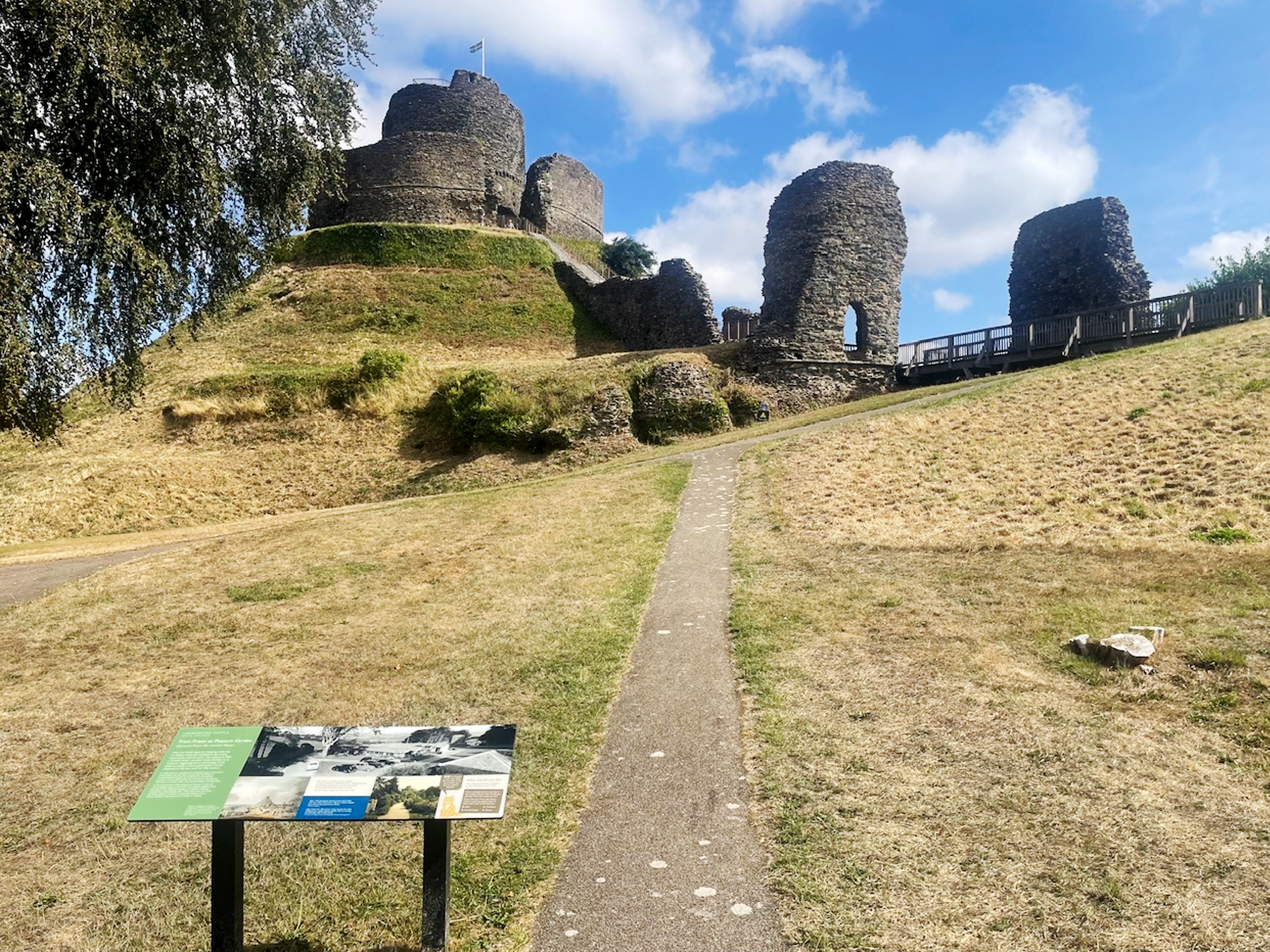
Launceston Castle stands on a steep mound above the town that was, for centuries, the gateway into Cornwall, guarding the main road across the River Tamar from Devon. Founded around 1068 by Count Brian of Brittany and held soon after by Robert of Mortain, William the Conqueror's own half-brother, it was one of only two castles recorded in Cornwall in the Domesday Book of 1086 — a measure of how important this crossing point was to England's new Norman rulers.
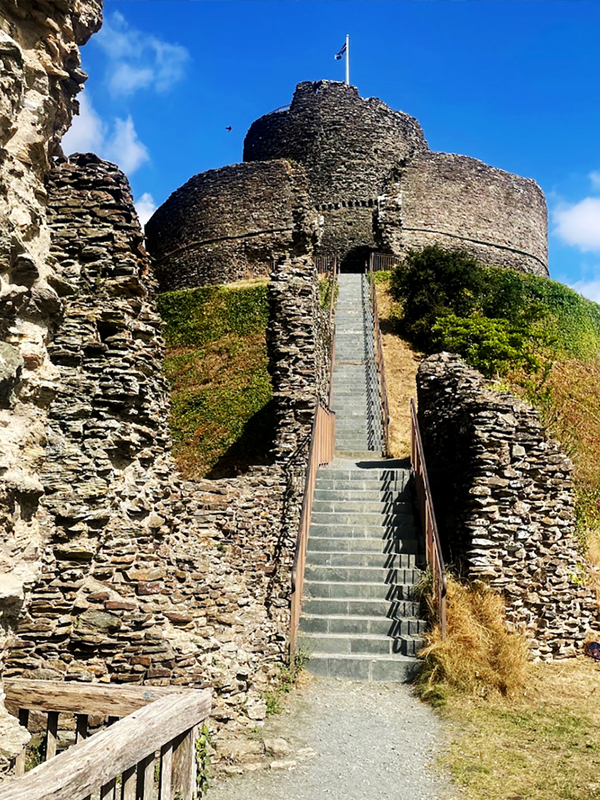
The castle's most remarkable feature is its keep, remodelled in the 13th century by Richard, Earl of Cornwall, one of the wealthiest men in Europe thanks to his control of the county's tin industry. Rather than simply rebuild the existing shell keep on the motte, Richard added a completely new round tower inside it, creating a unique tower-within-a-tower design found nowhere else in England. Climbing to the top today, visitors pass through two concentric rings of medieval stonework rather than a single tower wall, a genuinely unusual piece of military architecture.
For much of its later history, Launceston Castle's role was less romantic than defensive: from the 16th century it functioned purely as a courthouse and county gaol, earning the grim nickname "Castle Terrible" for the executions and notoriously poor prison conditions associated with it. The Quaker founder George Fox was held here in appalling conditions in 1656, and the prison remained in use for nearly 800 years in total before finally closing in the 1840s.
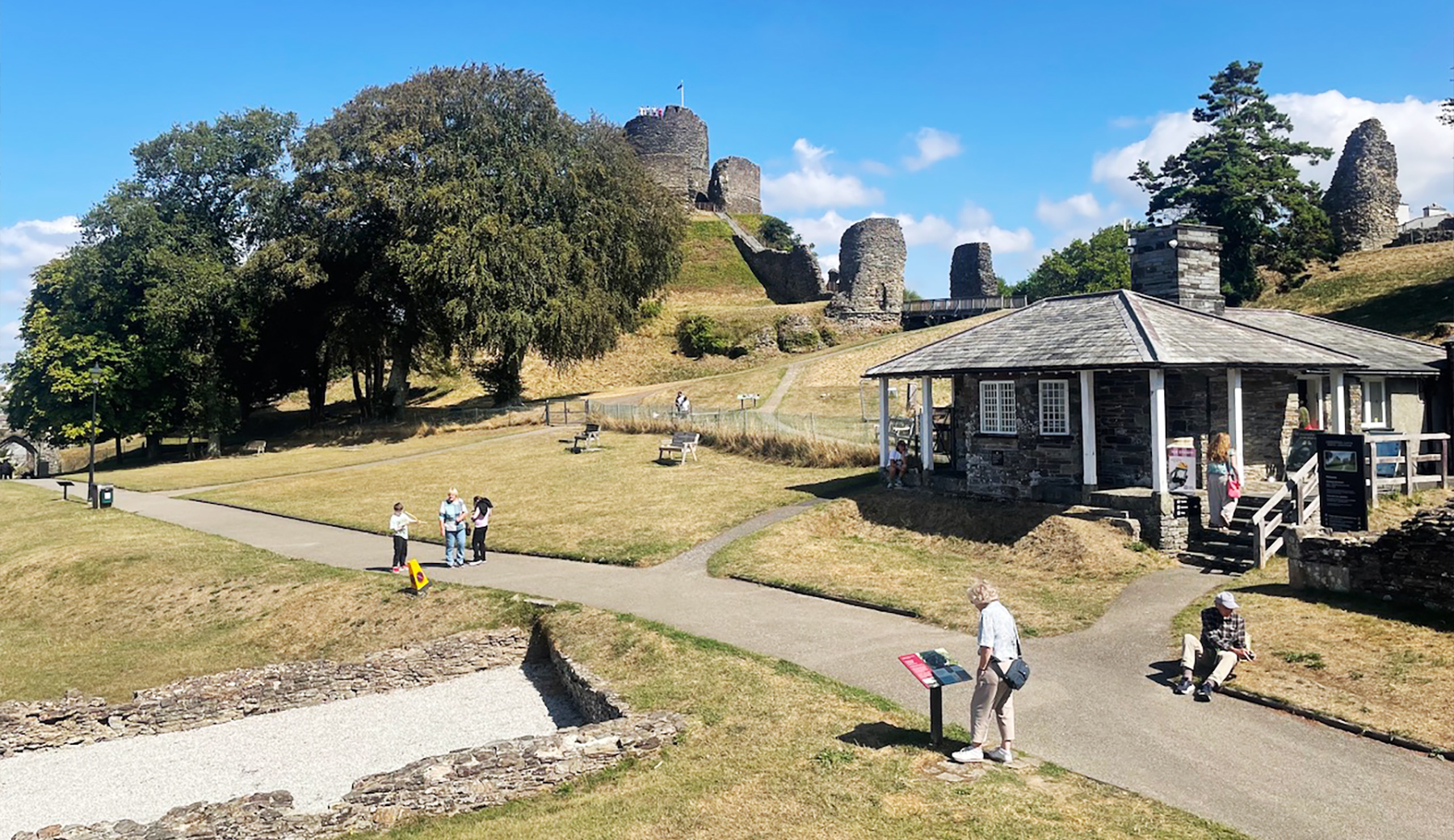
Today the castle is a much gentler place to visit: a grassed hilltop site with sweeping views over Launceston and the surrounding countryside, an exhibition telling its long story, and a family trail linking the castle to the Launceston-born poet Charles Causley. English Heritage has managed the site since 1984, and it remains one of Cornwall's most historically layered castles, spanning almost the entire span of English royal history from William the Conqueror to the Second World War.
Quick Facts
- Managed by
- English Heritage
- Founded
- c. 1068, by Count Brian of Brittany
- Keep remodelled
- 13th century, by Richard, Earl of Cornwall
- Nearby English Heritage site
- The Hurlers Stone Circles, near Minions
- Official website
- english-heritage.org.uk
Things to Know Before You Visit
There's no site parking — the nearest option is the NCP multi-storey opposite the castle. Accessible parking can be arranged by phoning ahead.
The castle is open Wednesday to Sunday and bank holidays, not daily — check before travelling, especially outside peak season.
There are no public toilets on site, and 64–68 steps to reach the top of the keep and tower.
Location Map
Visitor Guide
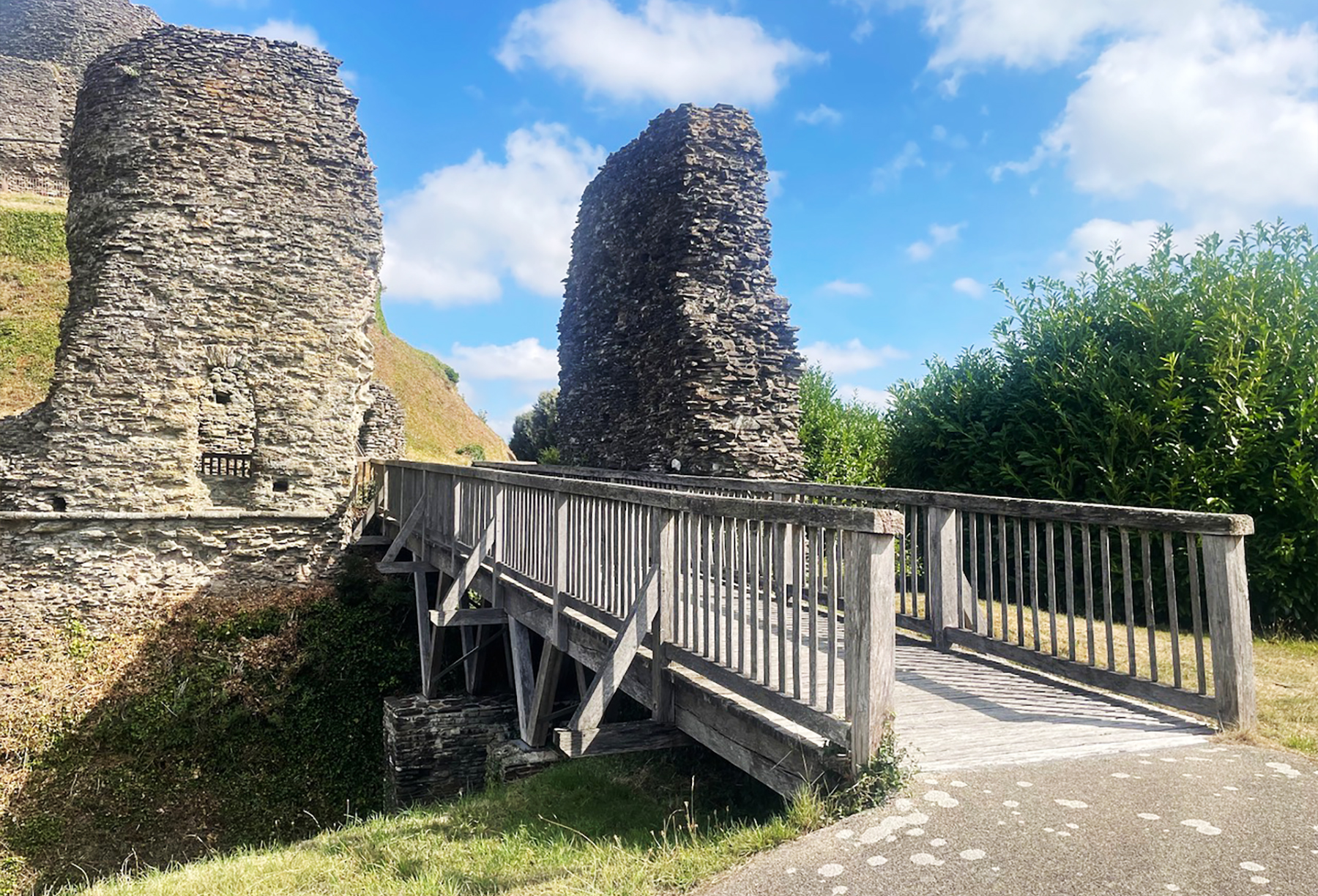
Launceston Castle rises directly above the town centre, and the walk up through the outer bailey to the keep is part of the experience: wide grassed slopes give way to the steep motte, with the shell keep and Richard of Cornwall's inner tower crowning the summit. There's no dedicated site parking, so most visitors arrive on foot from the town's NCP multi-storey car park opposite the castle entrance, itself only a short walk from Launceston's historic centre.
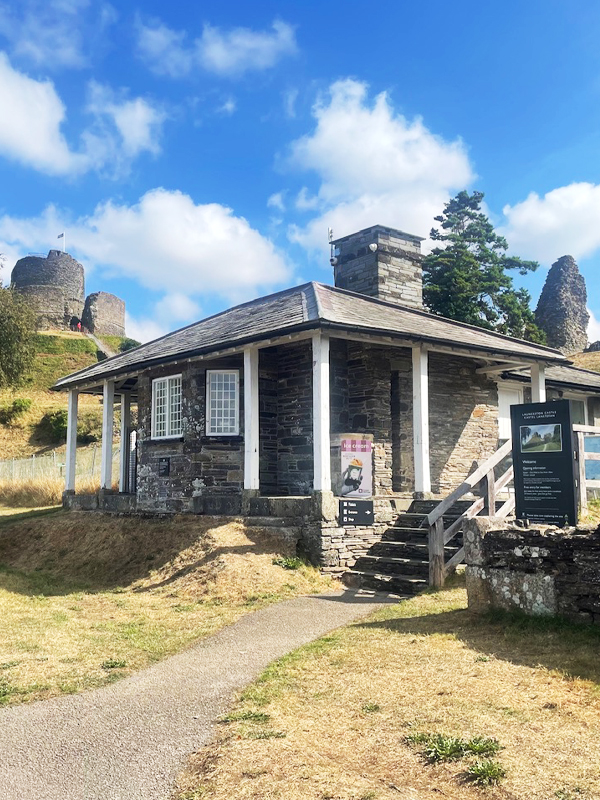
An exhibition near the entrance tells the story of the castle across nine centuries, from its Norman origins through its transformation into Cornwall's county gaol and courthouse. Look out for the archaeological finds on display, including a whale bone thought to be a leftover from a medieval feast — a small but memorable detail that hints at the scale of life once lived within these walls. A family trail connects the site to Charles Causley, the well-loved 20th-century Launceston poet, giving younger visitors a more playful way into the castle's history.
The climb to the top of the keep is the highlight for most visitors: 64 steps lead up the main staircase, with resting places and handrails along the way, before a further, steeper and narrower staircase of 68 steps in total leads into the high inner tower itself. The reward is one of the best views in this part of Cornwall, taking in the town, the surrounding hills and, on a clear day, into Devon across the Tamar valley. Because of the tower-within-a-tower design, visitors effectively climb through two rings of medieval masonry rather than one, a detail worth pausing to appreciate partway up.
Allow around an hour to an hour and a half for a visit, longer if combining it with a walk around Launceston's historic streets, which include a fine Georgian townscape and the nearby St Mary Magdalene church. There are no public toilets on site, so it's worth planning ahead, particularly with children; the shop near the entrance sells drinks, ice cream and light refreshments from a vending machine, but there's no café.
History
Launceston Castle was established around 1068 by Count Brian of Brittany, a supporter of William the Conqueror, at a strategically vital position controlling the main crossing point into Cornwall from Devon. By the time of the Domesday survey in 1086, the castle was held by Robert of Mortain, William's own half-brother and one of the wealthiest and most powerful men in England, and it was one of only two castles recorded anywhere in Cornwall — a clear sign of how seriously the new Norman regime took control of this remote south-western county.
The early castle was built largely of timber, with a shell keep constructed on top of the motte in the late 11th century. As the settlement around it grew, the town's market moved across the river to the castle's outer bailey during the 1090s, effectively founding the medieval town of Launceston in its present location. Stone gradually replaced timber through the 12th century, and by the 1180s documents record additional buildings including a "king's chamber" and a prison — an early sign of the role the castle would play for centuries to come.
The castle's most dramatic transformation came in the 13th century, after King Henry III granted the earldom of Cornwall to his brother Richard in May 1227. As one of the wealthiest men in Europe through his control of Cornwall's valuable tin industry, Richard rebuilt much of the castle in stone, adding a hall, kitchen and chambers in the bailey. Most significantly, he refashioned the existing shell keep by inserting a new central round tower within it, creating the unique multi-tiered, tower-within-a-tower design that still defines the castle today. Richard is recorded as staying at Launceston at least six times during his life, though he generally preferred his other residences elsewhere in his extensive lands.
In 1337, Edward III created his eldest son, Edward, Duke of Cornwall, granting him Launceston among many other Cornish estates — the same year the future Black Prince also acquired Restormel Castle. A survey at the time found Launceston in a poor state of repair, with damaged buildings and a prison described as "badly and inadequately covered." Repairs followed under the Black Prince's administration, and from this period the castle's role increasingly centred on its function as a prison and administrative centre for the county, alongside a deer park on its western side used for occasional ducal recreation.
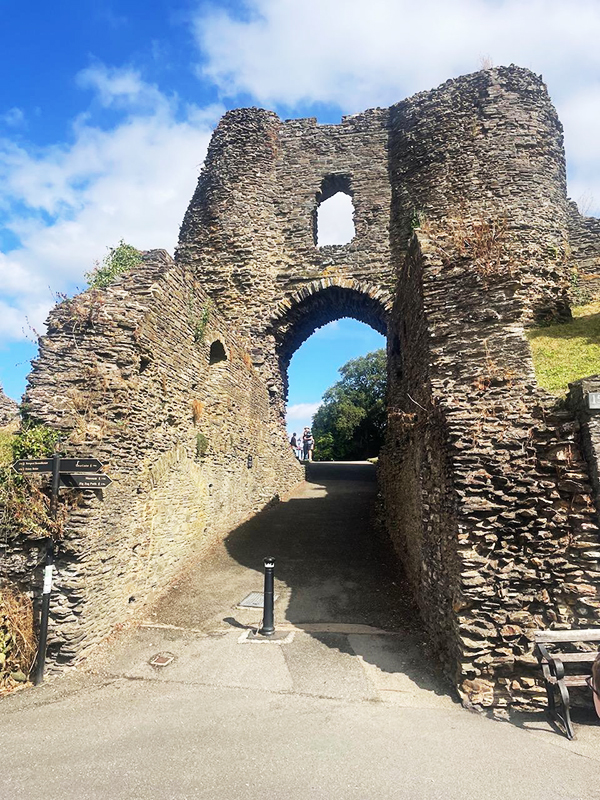
By the 16th century, Launceston Castle had ceased to function as a residence altogether, serving purely as a courthouse and county gaol. It was during this long period that the castle earned its grim nickname, "Castle Terrible," a reputation rooted in brutal public executions — including that of the Catholic priest Cuthbert Mayne in 1577 — and centuries of harsh, unsanitary prison conditions. The courts eventually moved into town buildings by the 1640s, leaving the castle solely as a prison. Its most famous inmate was George Fox, founder of the Quaker movement, held for around eight months in 1656 in the castle's notorious "Doomsdale" gatehouse cell. Fox's own written account described conditions with no latrine and filth accumulating "to the tops of the shoes in water and urine"; his testimony helped generate wider public sympathy for the early Quaker cause and remains one of the most vivid surviving descriptions of English prison conditions from the period.
The castle continued its slow decline through the 18th century: an engraving from 1734 shows walls already gapped and overgrown with vegetation, and around 1760 the town's mayor, Coryndon Carpenter, demolished parts of the structure to build himself a house. Conditions in the gaol remained notoriously bad enough that a local saying compared anything squalid to being "like Lanson gaol." The prison finally closed in the 1840s, after nearly 800 years of continuous use in one form or another, its functions transferred to a new facility at Bodmin.
From 1843 the castle grounds were landscaped as an ornamental pleasure garden under the Duke of Northumberland, softening the site's grim reputation for a new generation of visitors. A large pageant in 1931 saw hundreds of costumed local volunteers re-enact episodes from the castle's history, and during the Second World War the western bailey was pressed back into service, this time as a United States Army hospital during preparations for the D-Day landings. Extensive archaeological excavations, continuing until 1983, recovered artefacts including medieval gaming boards, counters and the whale bone now on display in the site's exhibition. English Heritage has managed Launceston Castle since 1984, preserving a site whose story runs almost unbroken from the Norman Conquest to the modern era.
Important Features
- The tower-within-a-tower keep: Richard of Cornwall's 13th-century round tower, built inside the earlier Norman shell keep — a design unique in England.
- 64–68 steps to the summit: a main staircase and a further steep, narrow tower staircase lead to panoramic views over Launceston and the Tamar valley.
- The exhibition: tells the castle's nine-century history, including finds such as a whale bone from a medieval feast.
- The Doomsdale gatehouse cell: where Quaker founder George Fox was imprisoned in appalling conditions in 1656.
- The outer bailey and green: the grassed lower slopes where Launceston's medieval market and town first developed in the 1090s.
- Charles Causley family trail: connects the castle to the celebrated Launceston-born 20th-century poet.
- Archaeological finds: excavations until 1983 recovered medieval gaming boards, counters and other everyday objects.
Visitor Information
Parking
There is no site parking. The nearest option is the NCP multi-storey car park opposite the castle. Accessible parking to the staff car park can be arranged by calling ahead.
Facilities
The shop sells English Heritage gifts, souvenirs, confectionery, drinks, clothing, toys, games, books, stationery and textiles. A vending machine provides hot drinks; there is no café, and no public toilets on site.
Disabled Access
Wheelchair access is available to the outer bailey, exhibition and shop via a side gate. The keep involves 64–68 steps with no lift; a wheelchair loan is available.
- Opening times: Wednesday to Sunday, plus bank holidays, 10am–5pm. Check the official website for any seasonal changes.
- Public transport: Launceston Westgate Street bus stop is 0.2 miles away, served by several Go Cornwall and Stagecoach routes. The nearest railway stations are Okehampton, Plymouth and Liskeard.
- Toilets: none on site.
- Food and drink: no café; a vending machine offers hot drinks, and the shop sells ice cream and light refreshments.
- Shop: English Heritage gifts, confectionery, drinks, clothing, toys, games, books and stationery.
- Dogs: assistance dogs are welcome; check current policy for other dogs with English Heritage before visiting.
- Booking: tickets available in advance with a discount for online booking; check current prices on the official website.
- Family facilities: picnics are welcome on the castle green; the Charles Causley family trail adds an activity for children.
- Additional access: no accessible toilet on site; wheelchair users can arrange staff car park access by phoning at least 30 minutes ahead.
- Visit duration: around an hour to an hour and a half, longer if combined with exploring the town.
Things to Do Nearby
Launceston
The castle's home town
A historic gateway town with Georgian streets, independent shops and the parish church of St Mary Magdalene.
Find Out MoreTrethevy Quoit
Darite, nr. St Cleer
One of Cornwall's finest Neolithic burial chambers, a dramatic granite dolmen on Bodmin Moor.
Find Out MoreThe Hurlers Stone Circles
Minions, Bodmin Moor
Three Bronze Age stone circles arranged in a line, a grouping unique in England.
Find Out MoreAltarnun
Nr. Launceston
A pretty Bodmin Moor village with the "Cathedral of the Moor" church of St Nonna.
Find Out MoreBodmin
South-west of Launceston
Cornwall's ancient county town, with Bodmin Jail and easy access to Bodmin Moor.
Find Out MoreFrequently Asked Questions
Official English Heritage Site
For the latest opening times, admission prices, booking and any event or access changes, check the official English Heritage page for Launceston Castle before you travel.
Explore More Cornwall Heritage
All English Heritage Sites Cornwall Attractions National Trust Cornwall
Page last updated: 25 August 2026.