Back to English Heritage Cornwall
Trelowarren Estate, Mawgan, Helston, Cornwall TR12 6AF | 0370 333 1181
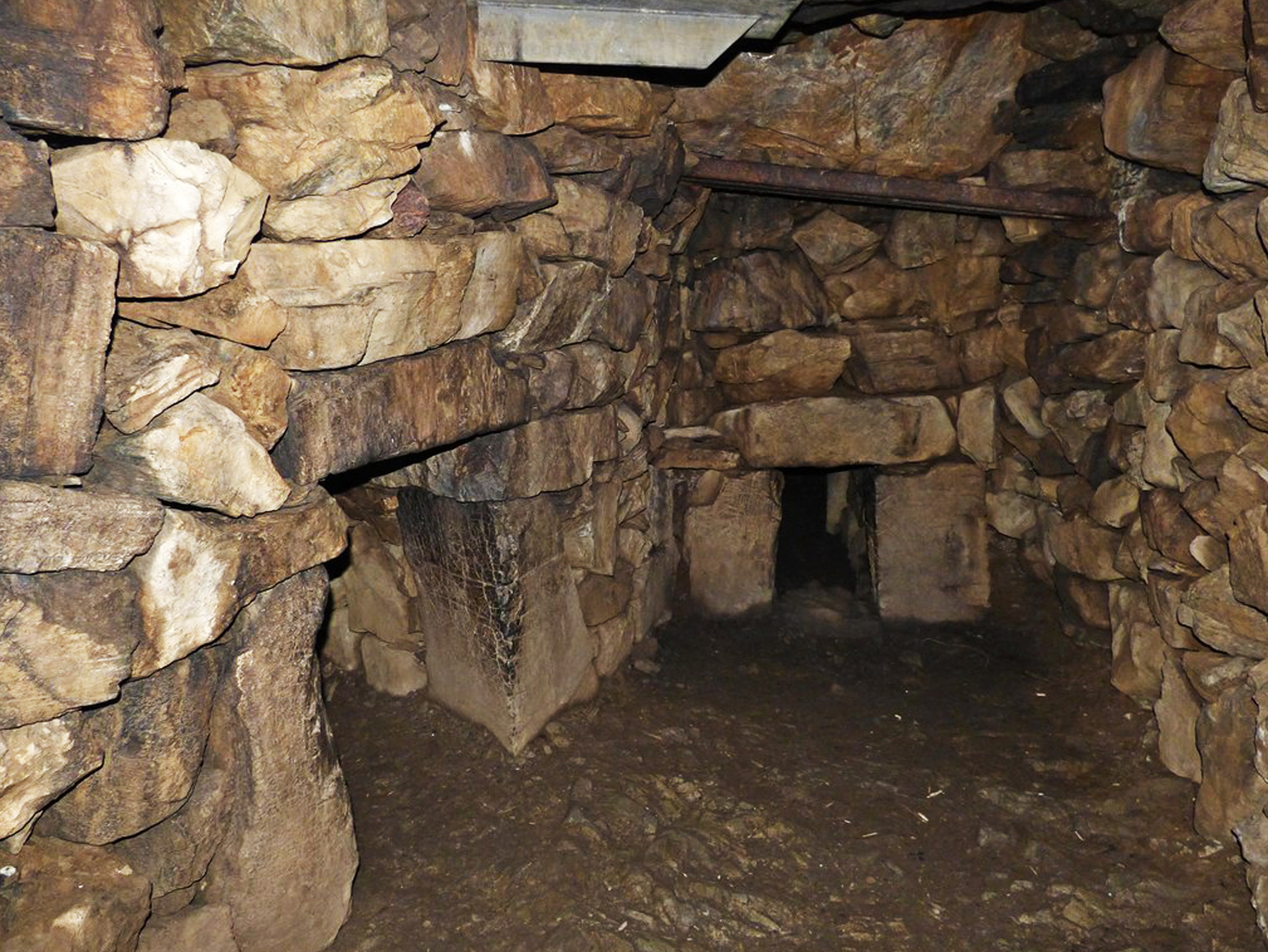
Hidden within the grounds of the Trelowarren Estate near Mawgan, Halliggye Fogou is the largest and best-preserved of Cornwall's mysterious underground passages, an extraordinary piece of Iron Age engineering that has puzzled archaeologists for generations. Built from massive stone slabs around the 5th or 4th century BC, its dark, sloping passages offer one of the most atmospheric prehistoric experiences anywhere on the Lizard Peninsula.
Fogous, from the Cornish word "ogo" meaning cave, are found nowhere else in the world but far western Cornwall, and their true purpose remains genuinely unknown. English Heritage notes that theories range from storage of valuable goods and grain to places of refuge during conflict, or spaces used for ceremony and ritual — and it is entirely possible that a single fogou served more than one of these roles across its long life. What is certain is the scale of the achievement: a stone-lined passage roughly 30 metres long, roofed with huge slabs, built without mortar and still standing after roughly 2,400 years.
Halliggye formed part of a small Iron Age farming settlement known as a "round", one of more than 2,000 such enclosed settlements recorded across Cornwall. Pottery recovered during excavation shows the round, and its fogou, remained in use for centuries, continuing into the Roman period, with entrances remodelled and extended as the community's needs changed over time.
The fogou is owned by English Heritage but sits within the privately run Trelowarren Estate, which charges for parking (free to English Heritage members) and looks after access to the site. Because the passages provide an important winter roost for bats, the interior is open to visitors only between May and September, making a summer visit essential for anyone hoping to step inside.
Location Map
Visitor Guide
Halliggye Fogou lies within the Trelowarren Estate, a working country estate on the Lizard Peninsula that combines historic gardens, holiday accommodation and a network of walking trails. Parking is available on the estate, charged for non-members, with English Heritage members admitted free. From the car park it is roughly a half-mile walk through parkland and woodland to reach the fogou itself, a pleasant walk in its own right through part of the wider Trelowarren estate.
Once at the site, steep steps lead down into the entrance, which can be slippery in wet weather, so sturdy, grippy footwear is essential. Inside, the main passage runs for around 30 metres, curving gently and narrowing at a point known as the "creep" — a lower, tighter section that visitors must stoop to pass through. A torch is strongly recommended, as very little natural light reaches the interior beyond the entrance.
Because the fogou provides a winter roost for bats, English Heritage closes the interior from 1 October to 30 April each year, so a visit is only possible between May and September. Allow around thirty minutes to explore the passages and the surrounding round, longer if combining the visit with a wider walk around the Trelowarren Estate's gardens and grounds.
The nearest town with a full range of facilities is Helston, a few miles to the north-west, with shops, cafes and pubs. The Helford Estuary and St Michael's Mount are both within easy reach for visitors looking to combine the fogou with other Cornish highlights on the same day.
History
Halliggye Fogou was built around the 5th or 4th century BC, during the Iron Age, using massive stone slabs set without mortar to form a long, roofed underground passage. It stands as the largest and best-preserved of Cornwall's fogous, a class of monument found nowhere else in the world, and its scale and state of preservation make it one of the most important prehistoric sites on the Lizard Peninsula.
The fogou formed part of a small farming settlement known as a "round", an enclosure defined by earthwork banks and ditches that is thought to have housed several family groups living in four or five houses. Rounds of this kind were once common across Cornwall, with more than 2,000 recorded examples, but fogous are found associated with only a small number of them, all in the far west of the county.
Excavation at Halliggye revealed that the fogou was not built in a single phase. The section beyond the narrow "creep" partway along the main passage appears to be a later addition, and entrances were remodelled and extended at various points between around 75 BC and AD 50, showing that the structure continued to be adapted and used across many generations. Pottery recovered from the site indicates that occupation of the settlement, and use of the fogou, continued into the Roman period, a span of activity lasting several centuries.
Despite more than a century of archaeological attention, the true purpose of fogous remains one of Cornish archaeology's genuine unsolved questions. Suggestions include storage for grain or valuables, places of refuge during raids or conflict, and spaces used for ceremony or ritual associated with the surrounding farming community; it is possible the fogou served different purposes at different points in its long history. Today Halliggye is owned by English Heritage and sits within the privately managed Trelowarren Estate, which controls access and maintains the surrounding parkland, while the fogou's interior remains seasonally closed each winter to protect a colony of roosting bats.
Important Features
- The main passage: a stone-lined tunnel roughly 30 metres long, built from massive slabs without mortar.
- The "creep": a narrower, lower section partway along the passage that visitors must stoop to pass through.
- The surrounding round: earthwork banks marking the Iron Age farming settlement the fogou belonged to.
- Multiple building phases: evidence of remodelled entrances dating to between 75 BC and AD 50.
- Roman-period pottery: finds showing the settlement and fogou remained in use for several centuries.
- Seasonal bat roost: the interior closes each winter to protect a resident bat colony.
Visitor Information
Parking
Charged parking is available on the Trelowarren Estate (free for English Heritage members), roughly half a mile from the fogou.
Facilities
No facilities at the fogou itself. Trelowarren Estate has a cafe; Helston, a few miles away, offers a full range of shops and restaurants.
Disabled Access
Not suitable for wheelchairs. Steep steps and narrow, low, uneven passages make access difficult for anyone with limited mobility.
- Opening times: the site is accessible year-round in daylight hours, but the fogou's interior is open only from May to September.
- Public transport: limited bus services run to Mawgan and Garras; the fogou is then a walk of around a mile via the Trelowarren Estate.
- Toilets: available on the Trelowarren Estate near the car park.
- Food and drink: a cafe operates on the Trelowarren Estate; a wider choice is available in Helston.
- Shop: no shop at the fogou; shops and galleries are part of the wider Trelowarren Estate.
- Dogs: welcome on leads across the estate and at the fogou.
- Booking: not required for the fogou itself, though estate parking is paid for on arrival.
- Family facilities: the estate has family-friendly grounds, though the fogou interior is unsuitable for young children in pushchairs.
- Additional access: bring a torch; steps at the entrance can be slippery when wet.
- Visit duration: around thirty minutes for the fogou, longer if combined with the wider Trelowarren Estate.
Things to Do Nearby
Trelowarren Estate
Mawgan
The historic estate surrounding the fogou, with gardens, walking trails, a gallery and a cafe.
Find Out MoreHelford Estuary
Nr. Mawgan
A beautiful wooded estuary with waterside walks, sailing and a scattering of pretty creekside villages.
Find Out MoreSt Michael's Mount
Marazion
A tidal island crowned by a medieval castle and church, one of Cornwall's most iconic landmarks.
Find Out MoreHelston
Gateway to the Lizard
A historic market town with shops, cafes and restaurants, the nearest full facilities to Halliggye.
Find Out MoreThe Lizard Peninsula
Cornwall's southernmost point
Dramatic coastline, serpentine rock and Britain's most southerly point, a short drive from Mawgan.
Find Out MoreFrequently Asked Questions
Official English Heritage Site
For the latest access information, seasonal opening dates and any temporary restrictions, check the official English Heritage page for Halliggye Fogou before you travel.
Explore More Cornwall Heritage
All English Heritage Sites Cornwall Attractions National Trust Cornwall
Page last updated: 25 August 2026.