Cornwall Museum & Art Gallery
(formerly Royal Cornwall Museum) · Truro, Cornwall
River Street, Truro, Cornwall, TR1 2SJ | 01872 272205
Cornwall's collection since 1818
The museum was founded in 1818 by the Royal Institution of Cornwall, a learned society and registered charity that still owns and runs it today. It has been housed since 1919 in a Grade II listed building on River Street, built in 1845 as Truro Savings Bank and later used as Henderson's Mining School - a building with almost as much layered Cornish history as the objects inside it.
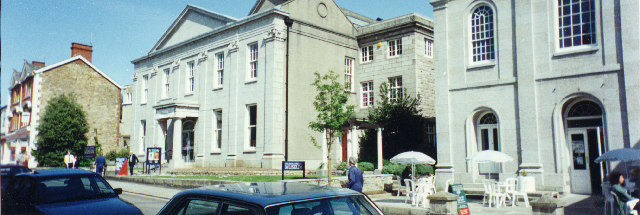
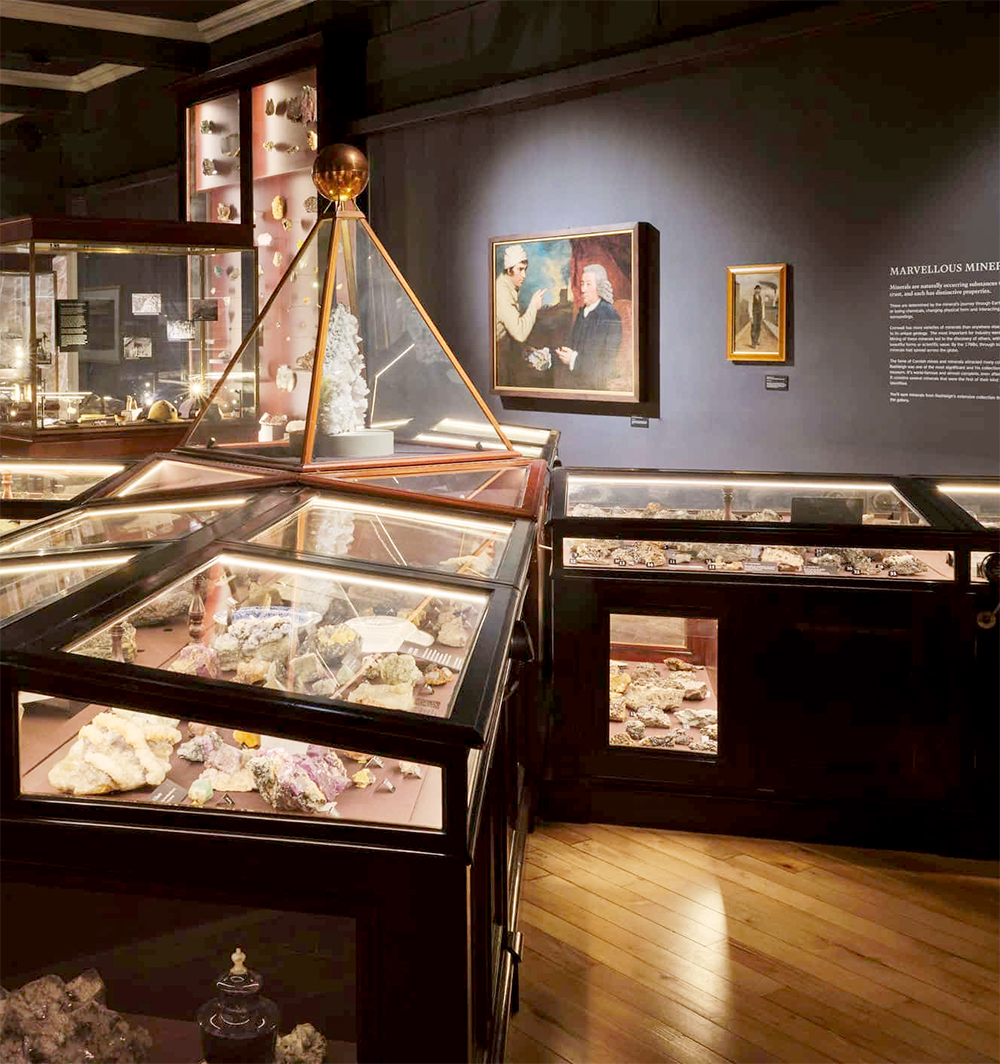
The collection spans Cornish archaeology, including Bronze Age and Iron Age artefacts such as the Artognou stone from Tintagel, and one of Britain's finest mineral collections, built around the 18th-century collection of Philip Rashleigh and recently reopened after a dedicated gallery refurbishment. Beyond Cornwall itself, the museum holds Egyptian, Greek and Roman antiquities, and a fine art collection stretching from Old Masters and Pre-Raphaelite works to Cornwall's own artistic movements - Newlyn School painters and the St Ives modernists, including Barbara Hepworth, Terry Frost, Patrick Heron and Ben Nicholson.
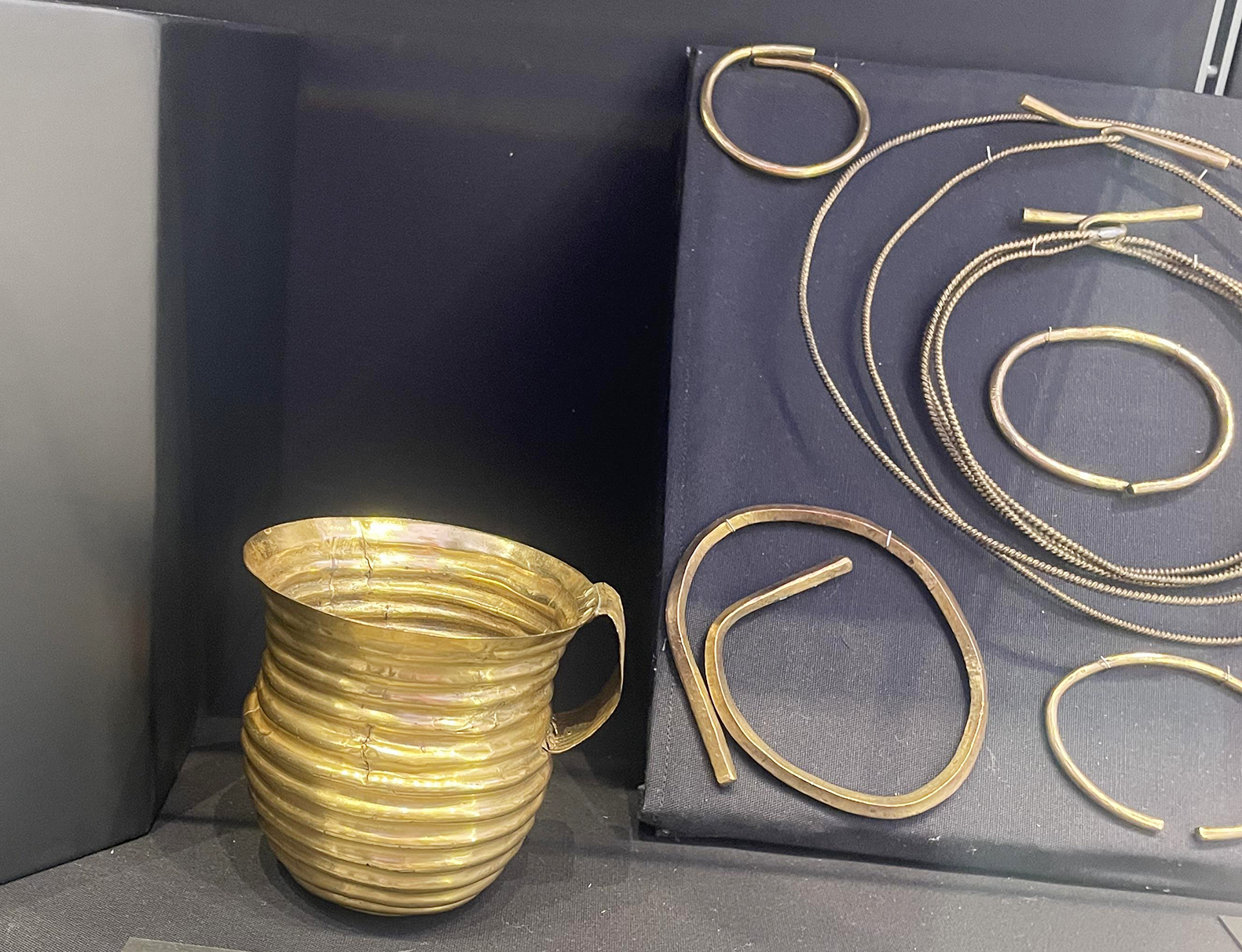
Among the museum's most remarkable exhibits is its electrotype copy of the Rillaton Cup, one of the most important prehistoric gold objects ever found in Britain. The original was excavated in 1837 from Rillaton Barrow, a Bronze Age burial mound near Minions on Bodmin Moor, where it was found alongside a bronze dagger and other grave goods in a burial dated to roughly 1700-1500 BC. Corrugated in form and showing stylistic links to Aegean and Mycenaean goldwork, it's often compared to the Mycenaean Vapheio cups and ranks among the finest surviving examples of Early Bronze Age gold craftsmanship in Europe.
As treasure trove, the cup passed to the Crown and remained in the royal household for generations - most famously, it's said King George V kept it on his dressing table as a receptacle for his collar studs, seemingly unaware of its true age and significance. Local folklore layered its own legend on top: a tale of a druid's inexhaustible drinking vessel that brought fatal consequences to anyone who refused to drink from it. Today the original belongs to the Royal Collection and is on long-term display at the British Museum, which is why the piece you'll see in Truro is a faithful electrotype copy - still a striking, tangible link to Bronze Age Cornwall, and worth seeking out on a visit.
Opening Times & Admission
| Ticket | Price |
|---|---|
| Adult (functions as a 12-month annual pass) | £10.00 |
| Under 18s | Free |
| Carers | Free |
| Museum members | Free |
The museum is open daily, 10am to 4pm.
Did you know?
The Rillaton Cup's original owner is thought to have died around 1700-1500 BC on Bodmin Moor - but its most famous modern custodian was King George V, who reportedly kept it on his dressing table to hold his collar studs.


Visitor Information
Parking
No dedicated museum car park - the nearest public parking is at Truro's city centre car parks, a short walk away.
Facilities
Museum shop on site, with cafés and restaurants a short walk away in central Truro.
Disabled Access
Assistance dogs are welcome on the ground floor - contact the museum in advance for specific access requirements across the building.
Things to Do Nearby
- Truro Cathedral - the striking three-spired Gothic Revival cathedral in the city centre.
- Lemon Quay & Truro City Centre - shopping, markets and cafés a short walk from the museum.
- Hall for Cornwall - the county's main theatre and live entertainment venue.
- Trelissick Garden - a National Trust garden overlooking the Fal Estuary.
- Rillaton Barrow, Minions - the Bronze Age burial mound on Bodmin Moor where the original Rillaton Cup was found.
Nearby Places to Stay
Frequently Asked Questions
Official Website
For the latest opening times, ticket prices and exhibitions, visit the official Cornwall Museum & Art Gallery website directly, or view a live copy below.
Visit cornwallmuseum.orgPage last updated: 20 August 2026
Page views: 136