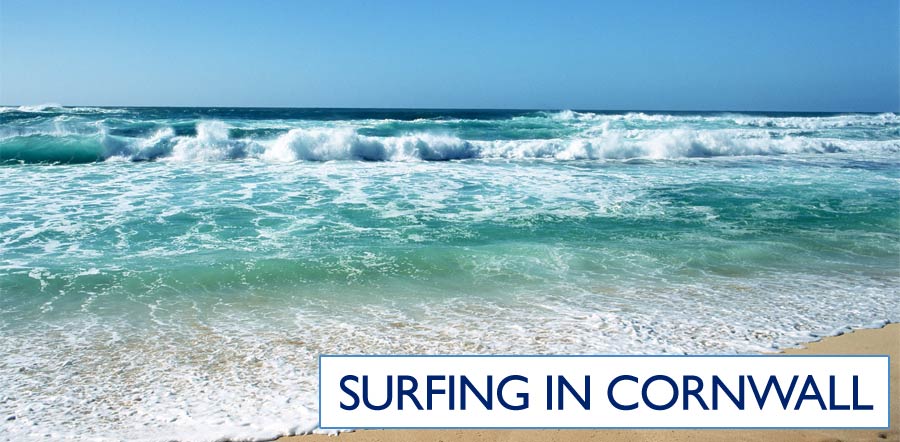
There's a reason Cornwall sits at the sharp end of the Atlantic, and it shows. Every serious swell that rolls in off the ocean has to pass this coastline before it hits anything else, which is exactly why Cornwall has been the beating heart of British surfing since the sport first arrived here in the 1960s. Whether you're paddling out for the first time or chasing winter reef breaks that only the experts talk about, there's a stretch of coast here built for it.
The North Coast does the heavy lifting, and for good reason — it faces the Atlantic head-on. Around Bude, long flat beach breaks like Widemouth Bay and Crooklets work for everyone from total beginners to seasoned surfers looking for an early one before the wind picks up. Further south, Polzeath is one of the most forgiving beginner beaches in the county, with mellow, consistent waves that shelve gently — no wonder it's become one of the busiest surf schools hubs in Cornwall. Then there's Newquay, the self-declared capital of British surfing, home to Fistral Beach — the wave every UK surfer has heard of, whether they've ridden it or not.
Push further south west and the character of the coast changes again. Perranporth and the beaches down towards Portreath offer big, open stretches of sand that rarely feel crowded, while out at Sennen Cove, near Land's End, you're surfing some of the most exposed water in the country — every swell crossing the North Atlantic ends up here first. The South and South East coasts see far less swell overall, but on the right westerly or south-westerly day, spots like Porthleven, Whitsand Bay and even Looe itself produce waves that keep local surfers checking the forecast obsessively.
This guide breaks Cornwall's surf coast down region by region — the beaches, the best conditions for each, the hazards worth knowing before you paddle out, practical info on parking and facilities, and where to find tuition or hire gear if you're starting from scratch. See also our guide to holiday accommodation for surfing breaks.
Surf Safety First
Many Cornish beaches have strong rip currents, especially near rocks, headlands and river mouths, and conditions can change quickly as swell builds. Always surf on a lifeguarded beach where possible and check conditions before you go in.
Surf Map of Cornwall
Toggle between beginner-friendly beaches and spots best suited to experienced surfers using the layers control.
Markers are approximate — always check conditions and hazards with local lifeguards or surf schools before entering the water.
Surfing by Region
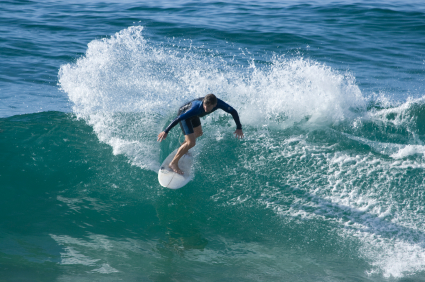
Bude sits at the heart of North Cornwall's surf scene — long, flat, north-south running beaches give excellent beach breaks for every level, backed up by a handful of closely-guarded reef breaks strictly for experts. The whole stretch is notable for dangerous rip currents and rocky cliffs, so beginners should stick to lifeguarded spots.
Duckpool — west-facing shingle beach, picks up any North Coast swell but badly affected by westerlies. Numerous scattered rocks mean it should only be surfed around low tide. Not for beginners.
Sandymouth — the northern end of the two-mile stretch down to Bude, west-facing, works best on light easterlies. Wave quality shifts with the sandbanks. Rips can be fierce over 5ft; not suitable for beginners.
Northcott Mouth — southern end of Sandymouth, west-facing, can deliver punchy waves but rips make it unsuitable for beginners unless surf is small.
Crooklets — popular local spot, works well in easterlies on all tides. Wrangle Point at the north end throws a good right. Rips at low tide over 3ft.
Summerleaze Beach — Bude's town centre beach, worth checking when other spots are blown out. A fast left breaks outside the harbour at low tide; a right works off the breakwater as the tide rises.
Widemouth Bay — the principal break in the area and a genuinely good learner's beach, though getting outside the broken surf can be hard work. Works at all tide stages, best towards high tide. Board hire available on the beach.
Crackington Haven — works best from half-tide up, sheltered by dramatic 400ft cliffs. A good left breaks off the rocks on the bay's southern side.
Trebarwith Strand — west-facing low-tide beach break, submerges above mid-tide.
Practical Info
| Beach | Parking | Access | Facilities | Toilets |
|---|---|---|---|---|
| Duckpool | Small unpaved NT car park | Cross a stream and climb a pebble ridge | None — nearest at Sandymouth | None |
| Sandymouth | NT pay & display (cash only) | Steep track/steps to pebbles then sand | Seasonal café (not NT-run) | Open April–October |
| Northcott Mouth | NT unpaved car park | Fairly easy from car park | Seasonal coffee van at car park | None at beach |
| Crooklets | Large pay & display, fills early summer | Level/disabled access | Blue Flag — shop, café, sea pool nearby | Yes, accessible, near car park |
| Summerleaze | Large car park, minutes from town | Level, beach wheelchair available | Beach Office/shop, cafés, sea pool | Yes, incl. Changing Places |
| Widemouth Bay | Large pay & display by beach | Easy, paths from car park | Cafés, showers, surf hire | Yes, accessible |
| Crackington Haven | NT unpaved car park | Short walk to beach | Pub/shop in village (none at NT car park) | None at NT car park |
| Trebarwith Strand | Pay & display uphill from beach | Steepish path down | Café/pub nearby | Check locally before visiting |
Local bases: Padstow, Wadebridge, Rock, Polzeath, Port Isaac, Bodmin, Newquay, Perranporth.
This stretch faces mainly west and picks up most swells. Tintagel and Padstow have all the facilities visiting surfers need — campsites, accommodation and surf shops.
Polzeath — a popular, forgiving beach break, best on a clean swell with light south-easterlies. Works on all tides, and one of the best learner beaches in the county.
Camel Estuary (Hayle Beach) — a superb beginner spot with a long ride that works through the tide. Big winter swells can push right into the Camel's mouth, offering rare shelter from north-westerlies.
Harlyn Bay — north-facing, three miles west of Padstow, worth a look on big south or south-westerly swells. A right-hander works off St Cadoc's Point most tide stages, though big high tides can turn it into a shore dump best avoided by novices. Sheltered from severe winds by Trevose Head.
Constantine Bay — west-facing, separated from Booby's Bay by a rocky headland. A left/right breaks centrally from mid-to-high tide; a faster, more advanced wave works off the southern reef. Ferocious rips at times.
Treyarnon — narrow, west-facing, best around low tide. Rips over 3ft.
Practical Info
| Beach | Parking | Access | Facilities | Toilets |
|---|---|---|---|---|
| Polzeath | Large beachfront pay & display | Flat, wheelchair/pushchair friendly | Cafés, restaurants, shops, surf hire | Yes, accessible |
| Harlyn Bay | Car park by beach + large field car park opposite | Easy from car park | Shop, pub/café | Yes, by field car park |
| Constantine Bay | Limited — better parking at Treyarnon, walk ~10 min | Sloping path | Seasonal pop-up café only | Limited, at Constantine Bay itself |
| Treyarnon | Pay & display (~£5/day) | Slipway, easy | Small shop, food vans, YHA bar | At YHA/car park |
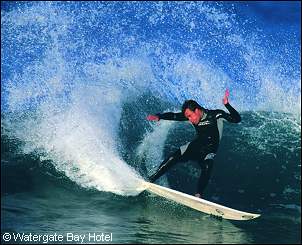
Newquay is the centre of surfing in Britain, with beaches running in every direction, the country's greatest concentration of surf shops, and even a dedicated surf hostel.
Mawgan Porth — west-facing, four miles north of Newquay, can offer fast river-mouth waves at low tide when the sandbars line up. Only really works in easterlies.
Watergate Bay — a two-mile flat, sandy, west-facing beach popular with learners; the easier paddle-out attracts locals too when a big swell runs. The north end tends to be bigger and less crowded.
Whipsiderry — low-to-mid-tide break, submerged at high tide, sheltered from south-westerlies.
Newquay Bay (Tolcarne, Great Western, Towan) — three north-facing town beaches that join at low tide into a mile-long stretch. Popular and often crowded in summer; best around mid-tide with a light westerly cross-shore.
Fistral Beach — Britain's most famous surf beach, overlooked by the Headland Hotel and home to the annual Surfmasters contest. North-west facing, fast and hollow, particularly at low tide, holding shape even in on-shore conditions, with good tubing sections in a south-easterly wind. Off Towan Head, the Cribber Reef breaks big in winter swells for experts only.
Crantock Beach — north-west facing, a mile south of town, sheltered by East and West Pentire Points. Worth a visit when other beaches are blown out; best mid-to-high tide.
Holywell Bay — north-west facing, best around low tide, rips over 4ft.
Practical Info
| Beach | Parking | Access | Facilities | Toilets |
|---|---|---|---|---|
| Mawgan Porth | Car park adjacent to beach | Easy, beach wheels available | Surf hire/lessons, shop, pub, restaurants, café | Near car park, closed at dusk |
| Watergate Bay | Adjacent car park (NT members free) | Fully wheelchair accessible | Cafés, restaurants, Extreme Academy watersports | Near car park |
| Fistral Beach | Pay & display, ~200 spaces, 20 min free | Easy, disabled spaces | Surf hire/lessons, shower & toilet block, beach shop/café | 2 blocks — near Rick Stein's & South Fistral steps |
| Crantock | NT car park at West Pentire (15 min walk) or village car park | No wheelchair access, poor mobility access | Toilets, shop, café near car park | Near car park, closed at dusk |
| Holywell Bay | Car park adjacent to beach | Easy | Toilets, shop, café, pub | Short walk from car park |
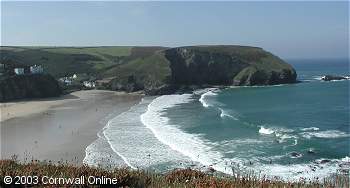
Perran Bay — west-facing, just north of Perranporth, produces a good wave; the dune walk keeps crowds down.
Perranporth — busy in summer, a solid learning beach, though rips are present at either end. Local surf and hire shop on hand.
Penhale Corner — offers shelter in the right winds. Note: MoD firing range on the cliffs above.
Trevaunance Cove — north-facing, works in big swells, sheltered from westerlies and south-westerlies. Mostly rights breaking off the rocks mid-cove; always crowded when it's good.
Chapel Porth — tiny west-facing beach at high tide, giving good lefts and rights over sand from low to mid tide. Rips over 3ft.
Porthtowan — north-west facing, at the end of a long valley; when the sandbars line up it can produce excellent tubing waves at all tide stages.
Portreath — north-facing, four miles north of Camborne, sheltered from south-westerlies. Needs a big swell but can hold a good wave to 6ft near high tide; the harbour wall right-hander on big swells is experienced-surfers-only.
Practical Info
| Beach | Parking | Access | Facilities | Toilets |
|---|---|---|---|---|
| Perranporth | Several car parks (main beach + Droskyn cliff) | Easy from main car park | Shops, cafés, pubs (incl. one on the beach), tidal pool | Main & Droskyn car parks (small charge) |
| Chapel Porth | NT car park | Direct from car park | NT café + toilet block | Yes, NT-run |
| Porthtowan | Beach Road car park | Short, level walk | Bar/café, shops, play park | In the car park |
| Portreath | One large car park + some road parking | Easy | Pub, shop, café | Yes, on the road before the car park |
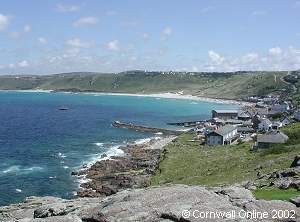
Gwithian — holds larger surf than most surrounding beaches in light winds; not for the faint-hearted in winter. Rips over 4ft.
Carbis Bay — only surfable on huge swells; mostly a summer tourist beach.
Porthmeor Beach, St Ives — the town's main surf spot, north-facing, good in any southerly wind, and home to Tate St Ives nearby. A solid beginner's beach.
Sennen Cove (Gwynver & Sennen) — one of the most exposed beaches in the country, picking up any North Atlantic swell. Strong rips make Gwynver unsuitable for beginners; Sennen works up to 6ft from low-to-mid tide. On huge days, the Cowloe reef off the lifeboat jetty is worth watching from the cliffs.
Porthcurno — small south-east facing cove, one of the few spots where north-westerlies blow offshore. Not for beginners; rips over 3ft.
Practical Info
| Beach | Parking | Access | Facilities | Toilets |
|---|---|---|---|---|
| Gwithian | NT car park at Gwithian Towans | General info — check before visiting | Seasonal café nearby | Check locally |
| Porthmeor, St Ives | No beach-side car park — nearest town car parks, short walk | Sloping paths/ramps from town | Café, surf school, kiosks | Seasonal (15 Feb–1 Nov) |
| Sennen Cove | Cliff-top field car park + smaller beach/harbour car parks | Steps or ramp; slipway at low tide | Cafés, restaurants | By beach & harbour car parks |
| Gwynver | One car park above beach | Very steep path, ~10 min | None | None |
| Porthcurno | Pay & display (not NT) | Steep steps or sandy slope with rope handrail | Licensed café/shop | Next to car park, none at the beach |
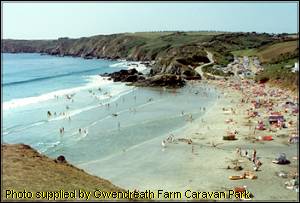
Praa Sands & Perranuthnoe — south-west facing, work on south-westerly swells with a north-quadrant wind; fast, sucky waves close to shore, best mid-to-high tide.
Porthleven — a serious right-hand reef break holding waves up to 12ft, needing a big westerly/south-westerly swell and a north-easterly breeze — so it doesn't work often. Dangerously shallow at low tide; experts only. A second reef at the harbour wall end is sometimes good at low tide for short, hollow lefts-and-rights — also dangerously shallow.
Kennack Sands — south-east facing, best around mid-tide, works on big south-west or south-east swells.
Practical Info
| Beach | Parking | Access | Facilities | Toilets |
|---|---|---|---|---|
| Praa Sands | Several car parks at western end (charged) | Buggy-friendly via slipway near the Sandbar; steps elsewhere | Beach shop, Sandbar pub/café, restaurant | Inconsistent — council toilets often closed; pub toilets available (small donation). Check before visiting |
| Porthleven | Small town car park + Shrubberies Hill car park (some distance) | Short slope by the pier; steep steps at Blue Buoy Steps | Harbour shops, cafés, restaurants | By the pier |
| Kennack Sands | Main car park, gently sloped | Good, beach chairs available | Toilets, café | Yes |
Pentewan Beach — south-east facing, best around mid-tide, works on south-east or huge south-west swells. A good all-round beach for non-surfers too, with a nearby holiday park including a licensed bar and games room.
Whitsand Bay — a long, south-west facing bay that comes alive when swell rolls in from the west. Good banks can be found all along the bay, but the most consistent and safest are below Freathy, which is also the lifeguarded stretch of beach.
Looe — an exposed beach break with genuinely inconsistent surf, best suited to experienced surfers rather than beginners. Winter is the favoured season, needing a south-southwest swell with an offshore west-southwest wind — on its day it can be excellent, but good conditions only line up a handful of times a year. Nearby Seaton Beach is regarded locally as one of the only spots in the immediate Looe area offering more reliably surfable conditions.
Practical Info
| Beach | Parking | Access | Facilities | Toilets |
|---|---|---|---|---|
| Pentewan | Small pay car park in village (~20 cars) or larger car park via holiday park | Flat, easy from holiday park; steps on some village paths | Holiday park toilets/showers/café, village pub & shop | Coin-operated in village / at holiday park |
| Whitsand Bay (Freathy) | Clifftop car parks at Tregonhawke, Sharrow, Freathy, Tregantle | Long, steep, stepped paths — not wheelchair/buggy suitable | Seasonal cafés above some coves; none on the beach itself | Seasonal, only at some access points |
| Looe (East Looe beach) | Nearest car park ~15 min walk (town centre traffic-restricted in summer) | Flat, right in front of the old town | Plentiful — cafés, shops in town | Yes, in town near the beach |
Surf Tuition & Equipment Hire
Harlyn Surf School
Cornwall's most established surf school, founded in 1994 and the only surf school in the county to hold an AALS licence. Based at Harlyn Bay, offering surf lessons, coasteering, SUP and sit-on-top kayak tours for all ages and abilities.
Address: Harlyn Beach, near Padstow, Cornwall, PL28 8SB
Facilities: Lessons and equipment hire, beach cabin, wetsuits and kit for all sizes
Parking: Large car park directly at Harlyn Bay
Disabled access: Not specified — contact directly to discuss requirements
Surf's Up Surf School
The original Polzeath surf school, established in 1995 and family-run ever since. Operates seven days a week, year-round, on one of Cornwall's most consistent and beginner-friendly beaches.
Address: Polzeath Beach, Wadebridge, Cornwall, PL27 6TB
Facilities: Lessons for all ages and abilities, equipment provided
Parking: Beachfront pay & display car park at Polzeath
Disabled access: Not specified — contact directly to discuss requirements
Ann's Cottage
Cornwall's original surf and lifestyle store, founded on Polzeath beach in 1978 and now one of Europe's largest surf retailers with stores across the county. The Polzeath Surf Centre remains dedicated to hardware — boards, bodyboards, SUPs and one of the largest wetsuit ranges in Europe.
Address: Polzeath Beach, Wadebridge, Cornwall, PL27 6SR
Facilities: Board, bodyboard, SUP and wetsuit sales and hire; surf cams for Polzeath and Fistral
Parking: Beachfront pay & display car park at Polzeath
Disabled access: Not specified — contact directly to discuss requirements
Constantine Bay Surf Store & Surf School
A surf shop and linked surf school at Constantine Bay, offering board and wetsuit sales, day hire, and lessons with qualified instructors for beginners through to more experienced surfers.
Address: Constantine Bay, near Padstow, Cornwall, PL28 8JS
Facilities: Surf shop, board/wetsuit hire (day hire runs to 4pm the following day), lessons via linked surf school
Parking: Limited at Constantine Bay itself — better parking available at nearby Treyarnon, short walk
Disabled access: Not specified — contact directly to discuss requirements
constantinesurf.com | 01841 520250
Atlantic Pursuits
Small-group surf, bodyboarding and Canadian canoeing sessions run by Sam Roberts, a national surf trainer, assessor and coach with 20 years' experience as an RNLI helmsman. Sessions run at Widemouth Bay (surf/bodyboard) and the Bude Canal (canoeing), capped at 6–8 people for a more personal experience.
Address: Widemouth Bay, near Bude, Cornwall
Facilities: Small-group and private lessons, all equipment provided, medical kit on hand
Parking: Widemouth Bay main car park (Cornwall Council — JustPark app, card or cash)
Disabled access: Not specified — contact directly to discuss requirements
atlanticpursuits.com | 01288 321765
Shoreline Extreme Sports
An adventure sports operator based in Bude since 1979, running surf kayaking, kayaking, canoeing, rock climbing and archery sessions alongside surfing, for school groups, clubs, families and individuals of all abilities.
Address: Bude, North Cornwall
Facilities: Surf/kayak coaching, multi-activity sessions, group and school bookings
Parking: Varies by session location — confirmed on booking
Disabled access: Not specified — contact directly to discuss requirements
Search "Shoreline Extreme Sports Bude" or via Tripadvisor for current contact details
Zuma Jay's Surf Shop
A long-standing independent surf shop in Bude town centre, staffed by knowledgeable local surfers offering advice alongside board, wetsuit and accessory sales and hire.
Address: Bude, Cornwall
Facilities: Surf shop, board and wetsuit sales/hire, accessories
Parking: Town centre parking, Bude
Disabled access: Not specified — contact directly to discuss requirements
Business details believed correct at time of writing — please confirm current opening hours, pricing and availability directly with each provider before travelling.
Surfing in Cornwall – FAQs
Surf conditions, parking charges and facility opening times change frequently — always check locally before visiting. To add, update or correct a listing, email info@internet-trading.com.
Page last updated: August 2026.