About Cotehele House
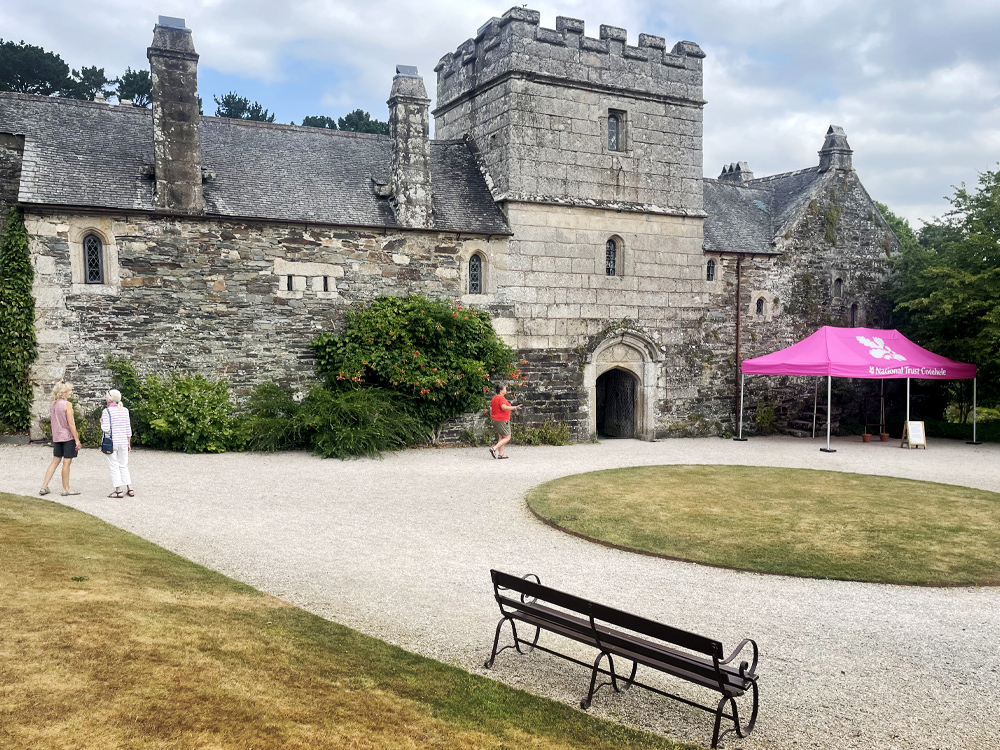
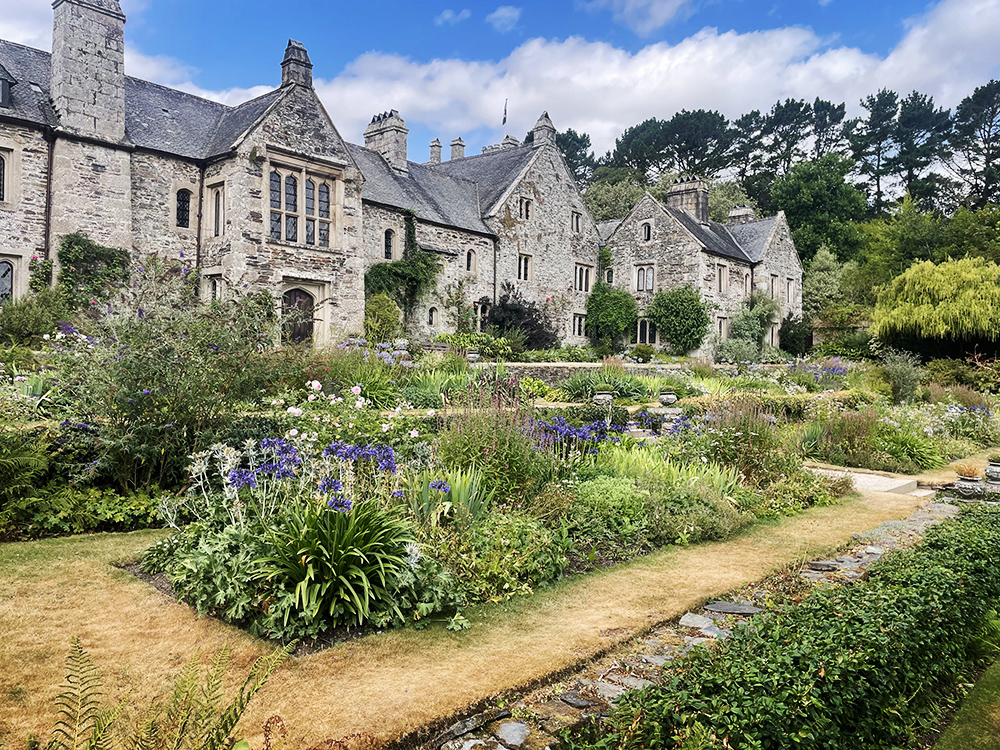
Cotehele is one of the least-altered Tudor houses in Britain — a rambling granite and slatestone manor built between 1485 and around 1565 by the Edgcumbe family, high above the wooded banks of the River Tamar. It remained the family's home for nearly 600 years before being given to the National Trust in 1947.
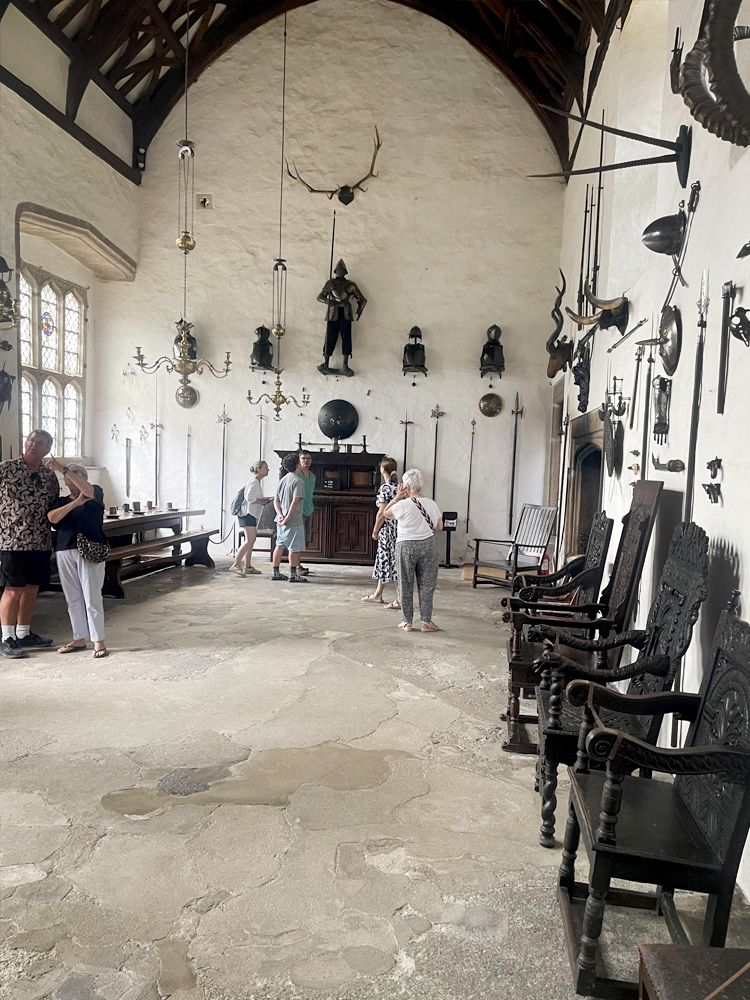
Because the house has no electricity, its tapestry-hung rooms are still lit only by daylight — much as they would have been in the 18th and 19th centuries, when the Edgcumbes deliberately preserved Cotehele as an antiquarian showpiece rather than modernising it. Inside you'll find rare tapestries, arms and armour, a 15th-century clock, and — flanking the doorway of the Great Hall — a pair of whale jawbones over two and a half metres high.
Gallery
History
Sir Richard Edgcumbe was rewarded with the Cotehele estate for his loyalty to Henry Tudor at the Battle of Bosworth. The Edgcumbe family had held Cotehele since 1353, when William Edgcumbe married the heiress Hilaria de Cotehele; the medieval manor seen today was rebuilt by Richard and his son Piers between around 1490 and 1520, using local granite, slate and the original red sandstone from the earlier quadrangular house, remnants of which still form the lowest courses of the inner courtyard walls.
In 1553, just as the rebuilding was finishing, the family relocated to a new and grander seat, Mount Edgcumbe, ten miles to the south — leaving Cotehele as a secondary residence that largely escaped the remodelling most great houses underwent in later centuries. A three-storey tower was added in 1627, providing three further bedrooms; King Charles I is said to have spent a night there in 1644 while marching from Liskeard to Exeter. During the 1660s, Colonel Piers Edgcumbe briefly returned to live at Cotehele and remodelled parts of the interior, before his son moved the family back to Mount Edgcumbe.
A visit by King George III and Queen Charlotte in 1789 marked a revival of interest in the house as a historic curiosity, and by 1840 the first guidebook to Cotehele had been published. The house remained in Edgcumbe hands until 1947, when it was given to the National Trust in lieu of death duty — the first property in Britain acquired by the Trust this way. At Christmas, Cotehele is known for its Garland: an 18-metre chain of dried flowers, grown and made on the estate, hung the length of the Great Hall since the 1950s.
Inside the House
Visitors enter through the Great Hall, where a high, arched timber roof looks down on a striking display of arms and armour, period furniture, and a pair of whale jawbones over two and a half metres high flanking the doorway. Most of the original furnishings and tapestries remain in the house — every room has its own fine example — and the entire collection is on loan from Lord Mount Edgcumbe's trustees. The chapel holds Cotehele's best-known curiosity: a turret clock installed in the early 16th century, with no face or pendulum, powered instead by weights and still in near-original working order — one of the oldest clocks of its kind in the country.
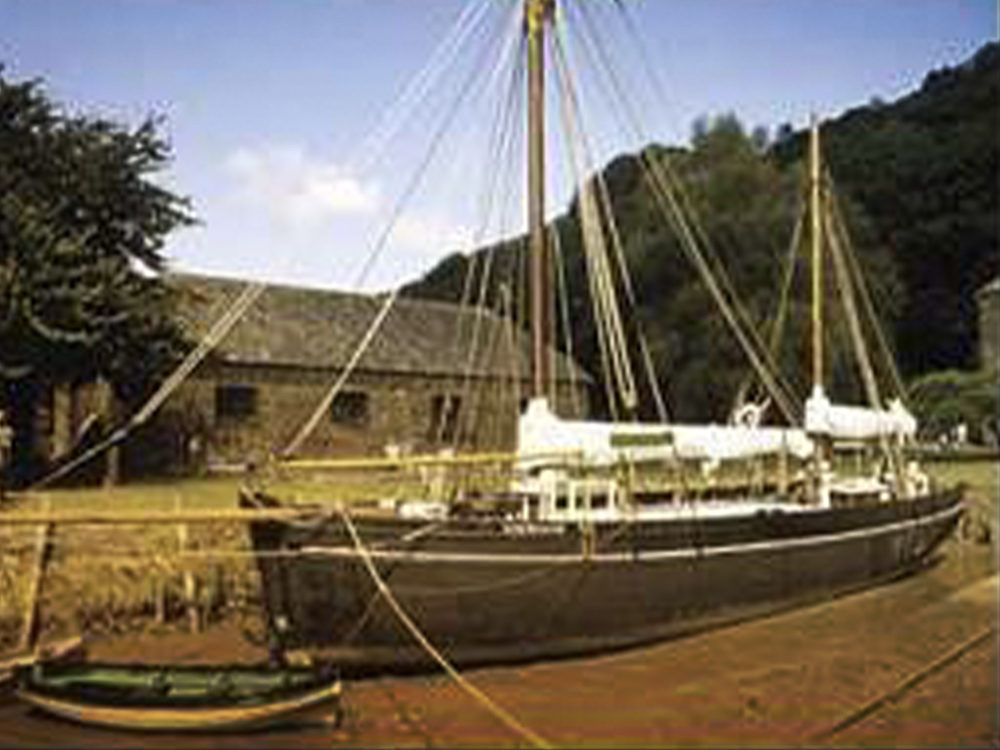
Down by the river, the National Trust and National Maritime Museum have set up a small museum exploring the Tamar's historic importance to the local economy, alongside a restored Tamar sailing barge moored at the quay. A short walk through the woods leads to Cotehele's restored estate corn mill, still in working order today.
Gardens
Cotehele's gardens descend in terraces down the steep valley to the River Tamar, benefiting from a mild microclimate that supports many exotic and tender plants. Ponds, ancient yew hedges, a medieval dovecote, a daffodil meadow and fine mature trees and shrubs provide colour through every season. Footpaths thread across the wider estate, and a walk through the garden and along the river leads down to Cotehele Quay — a working hub of Tamar trade throughout the 19th century.
Visiting Information
- Address
- St Dominick, Saltash, Cornwall, PL12 6TA
- Opening times
-
Garden, shop & café: generally open daily, 10am–5pm
(4pm during the winter months).
House: generally open daily, 11am–4pm, but subject to significant winter conservation closures — the whole house closes 3–10 November, 21 November, and 6 January–6 March; from 11–20 November only the Hall is open (while the Christmas garland is being built); and from 22 November–5 January only the Hall, Kitchen, Breakfast Room and Victorian Library are open, with the rest of the house closed. Always check the official Cotehele page for current hours before visiting. - Admission
- Free for National Trust members. Non-member admission charges apply for house & garden — check the National Trust website for current pricing.
- Facilities
- Barn Café, second-hand bookshop, shop and gallery, play areas, and a working watermill at Cotehele Mill (short walk or shuttle from the house).
- Dogs
- Welcome on estate walks and in some garden areas; assistance dogs only inside the house.
- Contact
- cotehele@nationaltrust.org.uk
Opening times, admission prices and facility availability change seasonally — please confirm details on the official National Trust site before your visit.